Insurance Insights & Guidance
Covered Right
Helping you find the right coverage at the right price — no more, no less.

Auto Insurance Quote Comparison: What Most Drivers Get Wrong
Comparing auto insurance quotes requires more than matching liability limits. Collision, comprehensive, uninsured motorist, and medical payment coverages all affect your protection and must be compared individually.

More Stories
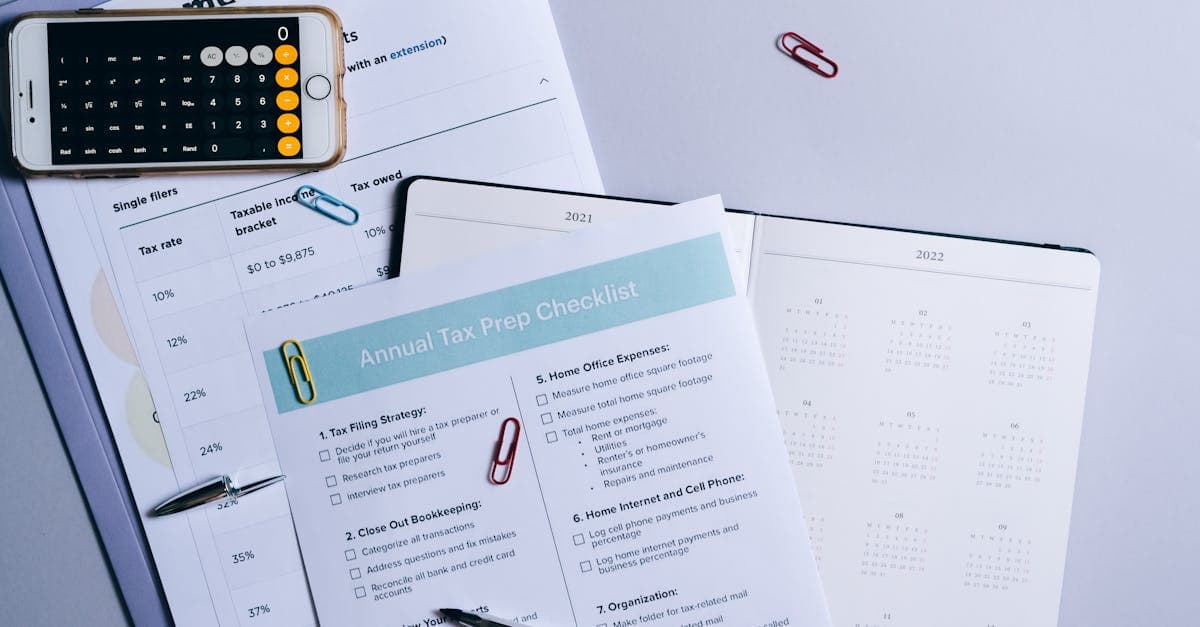
Policy Checkup for Homeowners: Dwelling Coverage and Beyond
A homeowners policy checkup should cover dwelling limits, personal property coverage, liability protection, additional living expenses, and endorsements for valuables and natural disasters.

When Assignment of Benefits Actually Helps Policyholders
In legitimate situations, an AOB lets a qualified contractor handle the insurer negotiation while you focus on recovery. Knowing when AOB works in your favor helps you make the right call.

How Long Does an Insurance Adjuster Take to Inspect Your Property
Adjuster scheduling is often the first bottleneck in the claims process. Knowing typical inspection timelines and how to expedite scheduling keeps your claim moving forward.

How to Talk to Your Insurance Company Before Filing a Claim
The words you use when first contacting your insurer can affect your claim. Understanding what to say, what not to say, and what questions to ask protects your interests from the first conversation.

Not Naming a Contingent Beneficiary on Your Life Insurance
If your primary beneficiary dies before you and you have no contingent beneficiary, your death benefit goes to your estate and through probate. A contingent beneficiary ensures smooth and direct payment.
How to Compare Life Insurance Illustrations From Different Companies
Comparing illustrations across carriers requires focusing on guaranteed values, understanding different assumption methodologies, and recognizing that the most attractive illustration is not always the best policy.

How the Life Insurance Medical Exam Determines Your Risk Class
Your exam results place you in a risk class — preferred plus, preferred, standard plus, standard, or substandard. Each class corresponds to a premium tier based on your overall health profile.

How Mental Health History Impacts Life Insurance Applications
Depression, anxiety, and other mental health conditions are evaluated during life insurance underwriting. Treatment history, stability, and current management all influence whether coverage is approved and at what rate.

Policy Loan Repayment: Your Options and Best Strategies
Life insurance policy loans offer flexible repayment with no fixed schedule or mandatory payments. Understanding your repayment options helps you develop a strategy that protects your policy's long-term value.

Cash Value Life Insurance as a Retirement Income Supplement
Some policyholders use accumulated cash value as a tax-free retirement income source through policy loans. This strategy works when properly structured but can backfire if the policy lapses with outstanding loans.

The Suicide Clause and Life Insurance Death Benefits
Most life insurance policies exclude death benefits for suicide during the first two years of the policy. After this exclusion period, suicide is treated as any other cause of death.

The Cost of Probate on Life Insurance Proceeds: Fees That Reduce Your Family's Benefit
Probate costs including attorney fees, court costs, and executor commissions can consume three to eight percent of estate assets. Life insurance proceeds in the estate are subject to these deductions.

How Divorce Affects Your Life Insurance Beneficiary Designations
Divorce does not automatically remove an ex-spouse as your life insurance beneficiary in most states. You must actively update your beneficiary designation after divorce to redirect your death benefit.

Using a Trust as Your Life Insurance Beneficiary: Benefits and Process
Naming a trust as your beneficiary gives you control over how and when the death benefit is distributed. This is especially important for minor children, special needs dependents, and complex family situations.

What Happens to Life Insurance Proceeds When No Beneficiary Is Named?
Without a named beneficiary, life insurance proceeds typically go to the policyholder's estate. This triggers probate proceedings, potential creditor claims, and delays that can leave families waiting months for funds.

Life Insurance and Refinancing: When to Update Your Coverage
Refinancing changes your mortgage balance, term, and monthly payment. Review your life insurance coverage after every refinance to ensure it still matches your mortgage obligation.

Life Insurance and Your Mortgage: Protection Even Without Children
Your mortgage does not disappear when you die. Life insurance ensures your surviving partner or family can keep the home without scrambling to cover mortgage payments alone.

Converting Term Life to Whole Life: The Conversion Privilege Explained
Many term policies include a conversion option that lets you switch to whole life without a medical exam. This valuable feature provides a safety net if your health changes during the term period.

Guaranteed Universal Life Insurance: Lifetime Coverage at Lower Cost
Guaranteed universal life policies prioritize death benefit protection over cash value accumulation, offering permanent coverage at premiums lower than traditional whole life. These policies are designed for people who want guaranteed lifetime coverage.

Paid-Up Additions: Supercharging Your Whole Life Insurance Cash Value
Paid-up additions are extra premium payments that purchase small amounts of additional paid-up insurance. These additions accelerate cash value growth and increase the death benefit without new underwriting.

Converting Term Life to Permanent Life Insurance: Your Options Explained
A conversion option lets you change your term policy to permanent life insurance without a medical exam. This valuable feature preserves insurability even if your health has changed.

Life Insurance Needs in Your 40s: Adjusting Coverage for Mid-Career Realities
By your forties, your financial picture includes significant debts, peak income, and children approaching college. Your life insurance needs may be at their highest during this decade.

Protecting Stay-at-Home Parents With Life Insurance
Stay-at-home parents provide childcare, household management, and services worth $30,000 to $60,000 annually. Life insurance on the stay-at-home parent funds these replacement costs for the surviving family.

Understanding Life Insurance Policy Components: Face Amount, Premium, and Term
Every life insurance policy has core components including the face amount or death benefit, the premium you pay, and the policy term or duration. Understanding each component helps you compare policies.

Renters Flood Insurance and the 30-Day Waiting Period
NFIP flood insurance policies have a standard 30-day waiting period before coverage begins. Renters should purchase flood insurance well before flood season to ensure protection is active when they need it most.

High-Rise Condo Flood Insurance: Do Upper Floor Units Need Coverage?
Upper floor condo units in high-rise buildings may seem safe from flooding, but building-wide flood damage can trigger loss assessments that affect every unit owner regardless of floor level.
Private Flood Insurance for Moderate-Risk Zone Homeowners
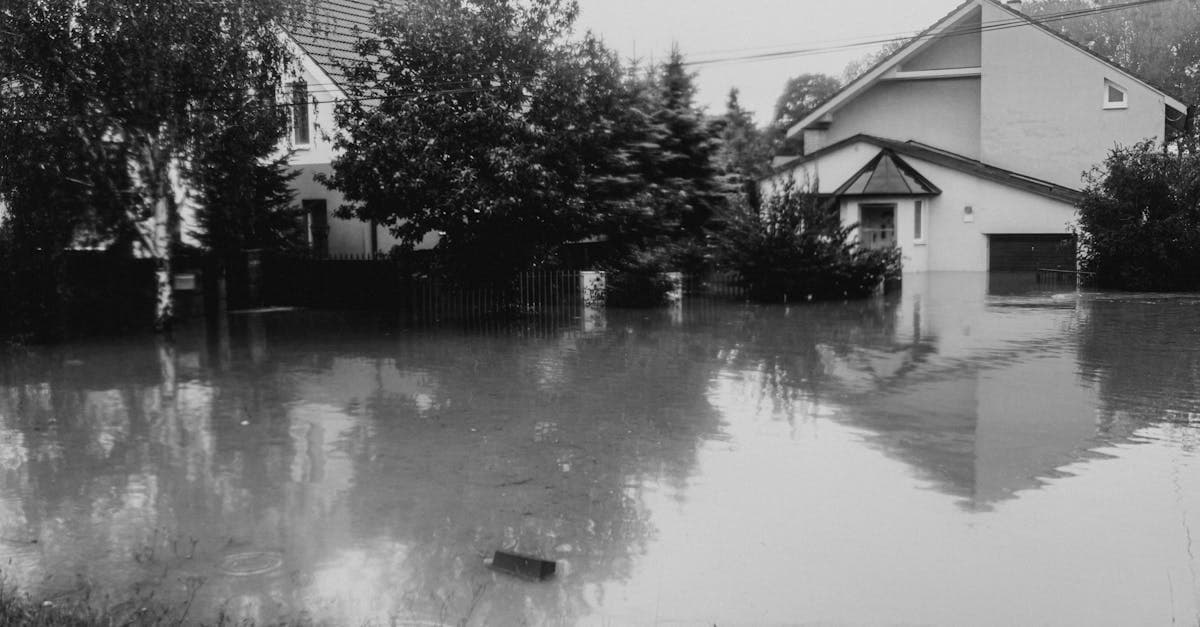
Private flood insurers increasingly offer competitive policies for homes outside high-risk zones. These policies may provide broader coverage, higher limits, and faster claims processing than NFIP policies.

Hurricane Deductible Stacking: Separating Myth From Reality
Some homeowners believe hurricane deductibles stack or accumulate toward a cap. In most states, each hurricane event triggers a completely independent deductible with no credit for previous payments in the same season.

Does Your Hurricane Deductible Apply to Wind Damage From Remnant Storms?
When a hurricane weakens to a post-tropical or remnant low system, the hurricane deductible may no longer apply. Damage from remnant storms may use your standard deductible depending on your policy language.

How Hurricane Deductibles Apply When Multiple Storms Hit Florida in One Season
Florida's hurricane deductible typically applies once per calendar year, not per storm. If two hurricanes damage your home in the same season, you generally pay the hurricane deductible only on the first claim.

Hurricane Deductible for Condo Owners: How It Applies to Your HO-6 Policy
Condo owners face hurricane deductibles on their HO-6 policy that apply to their unit's interior and personal property. The HOA master policy has its own hurricane deductible for the building structure.

Wind Damage to Your Roof vs Flood Damage to Your First Floor: Different Policies Pay
In a hurricane, wind may destroy your roof while storm surge floods your first floor. Each type of damage is handled by a different insurance policy with different limits and deductibles.

Burst Pipe vs Rising Floodwater: Two Water Events, Two Different Policies
A burst pipe in your kitchen triggers your homeowners insurance. Floodwater entering through your front door triggers your flood insurance. This fundamental distinction determines your coverage for every water event.

Precious Metals and Valuables: Flood Insurance Exclusions for High-Value Items
Flood insurance excludes coverage for currency, precious metals, stock certificates, and other valuable papers. These items require separate insurance arrangements if you want protection against flood damage.

Does Flood Insurance Cover Your Basement? Understanding Below-Grade Limits
NFIP flood insurance covers limited items in basements including structural elements, utilities, and essential equipment. Finished basement improvements like carpet and drywall have restricted coverage below grade.

Flood Insurance for Florida Investment Properties: Protecting Your Rental Income
Florida investment property owners need flood insurance to protect both the building structure and rental income. Flood damage can leave properties uninhabitable for months, eliminating revenue.

Florida Flood Insurance: Required by Law or Just a Good Idea?
Federal law requires flood insurance for certain Florida properties, but even where it is not legally mandated, Florida's hurricane exposure and flat terrain make flood insurance one of the smartest purchases a homeowner can make.
Flood Insurance and Mortgage Requirements: When It Is Mandatory
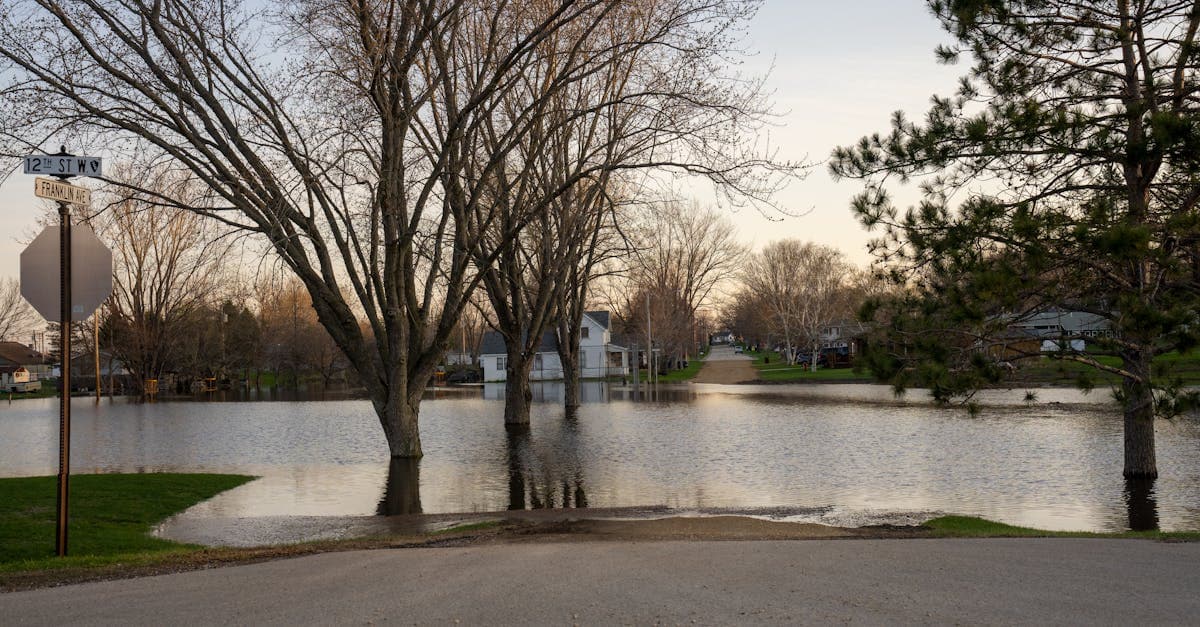
Federal law requires flood insurance for properties in FEMA-designated high-risk flood zones with federally backed mortgages. Lenders enforce this requirement and can force-place expensive coverage if you let your policy lapse.

Storm Surge and Homeowners Insurance: Why Coastal Flooding Is Not Covered
Storm surge from hurricanes and tropical storms is classified as flood damage and excluded from homeowners policies. Coastal homeowners need separate flood insurance to protect against the most common hurricane damage.

Loss of Use Coverage in Florida: What Happens When You Cannot Live at Home
After a hurricane or major damage event, loss of use coverage pays for temporary housing and additional living expenses. Knowing your policy's limits and duration caps helps you plan for displacement scenarios.

How a New Deck or Patio Affects Your Home Insurance Coverage
Decks and patios add value and replacement cost to your home. Attached structures fall under dwelling coverage while detached structures fall under Coverage B. Both may affect your premium.

Coverage A Through Coverage F: What Each Line Means on Your Declarations Page
Standard homeowners policies list six coverage categories on the declarations page. Understanding each one from dwelling to medical payments ensures you know the full scope of your protection.

Why You Need Before-and-After Photos for Your Insurance Claim
Before photos establish the pre-loss condition of your home and belongings, while after photos document the damage. Together, they provide undeniable visual evidence that supports every element of your claim.
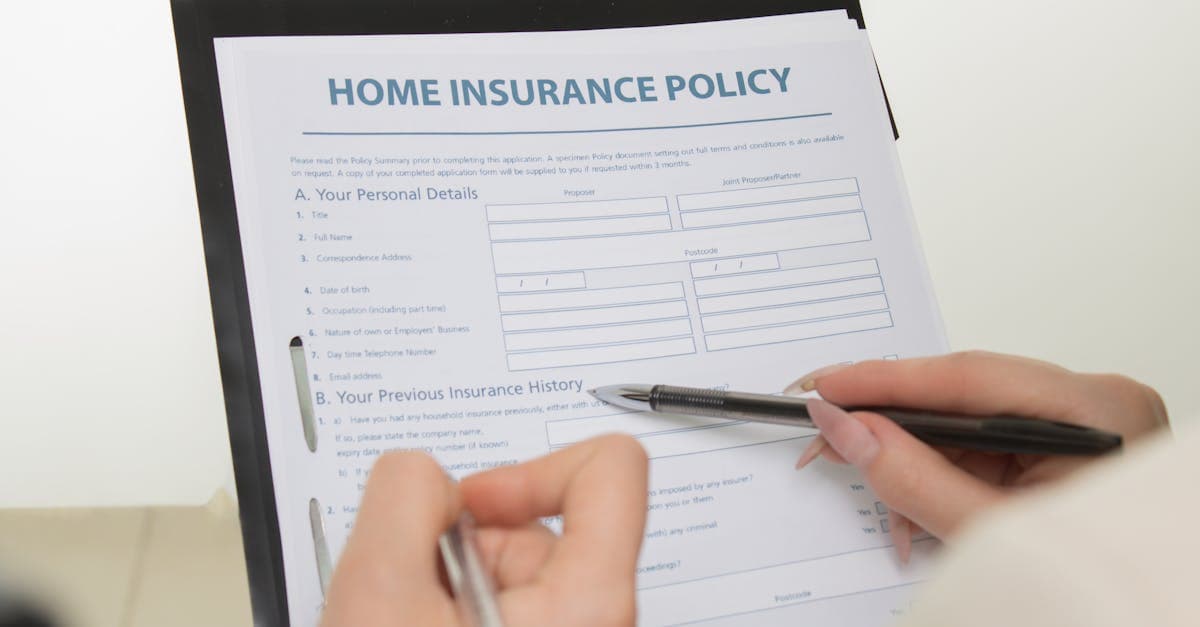
Is There a Penalty for Canceling Homeowners Insurance Early?
Some insurers charge a short-rate cancellation penalty that reduces your premium refund by five to ten percent. Others use pro-rata cancellation with no penalty. Your policy documents specify which method applies.

Home Renovations and Your Renewal: Closing Coverage Gaps Before They Open
Renovations that increase your home's value must be reported before renewal to prevent underinsurance. A kitchen remodel, room addition, or roof upgrade should trigger a Coverage A limit increase.

How Losing Insurance Discounts Causes Unexpected Premium Increases
Discounts for new homes, new roofs, alarm systems, and bundled policies can expire without notice. When a discount drops off your policy, the premium increase can seem unexplained.

Home Insurance Deductibles vs Health Insurance Out-of-Pocket Maximums
Unlike health insurance, home insurance has no annual out-of-pocket maximum. Each claim triggers its own deductible with no cap on your total annual deductible payments across multiple events.

How Much Homeowners Insurance Do High-Value Homes Need?
High-value homes require specialized coverage with higher dwelling limits, guaranteed replacement cost, extended replacement cost endorsements, and broader personal property protection. Standard policies often leave luxury homeowners dangerously underinsured.

How to Switch from ACV to Replacement Cost on Your Homeowners Policy
Upgrading from ACV to replacement cost is one of the most impactful insurance changes you can make. The process is straightforward and the premium increase is often surprisingly modest.

The Replacement Cost Claim Payment Process From Start to Finish
Replacement cost claims follow a specific payment sequence from initial inspection through final settlement. Knowing each step helps you navigate the process efficiently and avoid common delays.

Personal Property Coverage After Theft: How Your Policy Responds
When your belongings are stolen from your home or vehicle, personal property coverage pays for replacement. Understanding the claims process ensures maximum recovery.
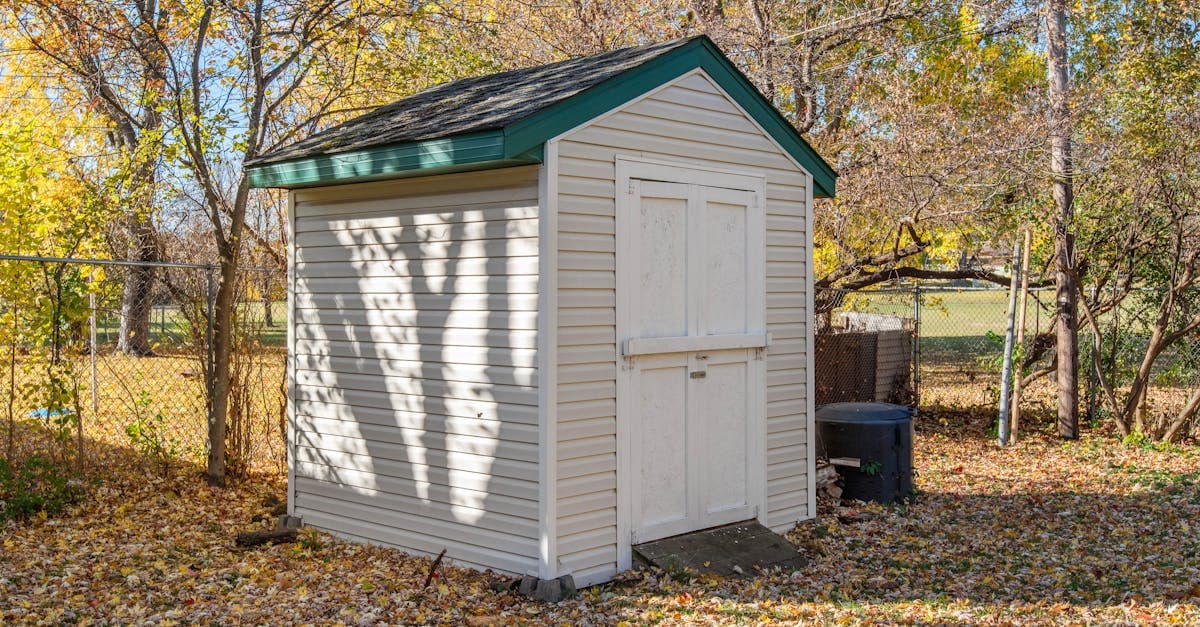
Does Other Structures Coverage Pay for a Detached Workshop or Studio?
A detached workshop, art studio, or home office building on your property is typically covered under Coverage B, but business use may trigger exclusions or require additional endorsements.

Dwelling Coverage and Your Roof: The Most Common Structural Claim
Roof damage from wind, hail, and fallen trees is the most frequent dwelling coverage claim. Understanding how your policy handles roof repairs and replacement prevents surprises.

Does Loss of Use Coverage Pay Your Mortgage While You Are Displaced?
ALE coverage does not pay your mortgage directly because that is a normal expense you would pay regardless. But it pays the additional costs above your normal living expenses.

Umbrella Insurance and Homeowners Liability: How They Work Together
When your homeowners liability limit is not enough, an umbrella policy provides additional protection. Understanding how these coverages layer is critical for asset protection.

Does Your Homeowners Policy Cover Property at a Second Home?
Belongings at a vacation home or cabin may fall under off-premises coverage. The rules depend on whether the second property has its own insurance policy.
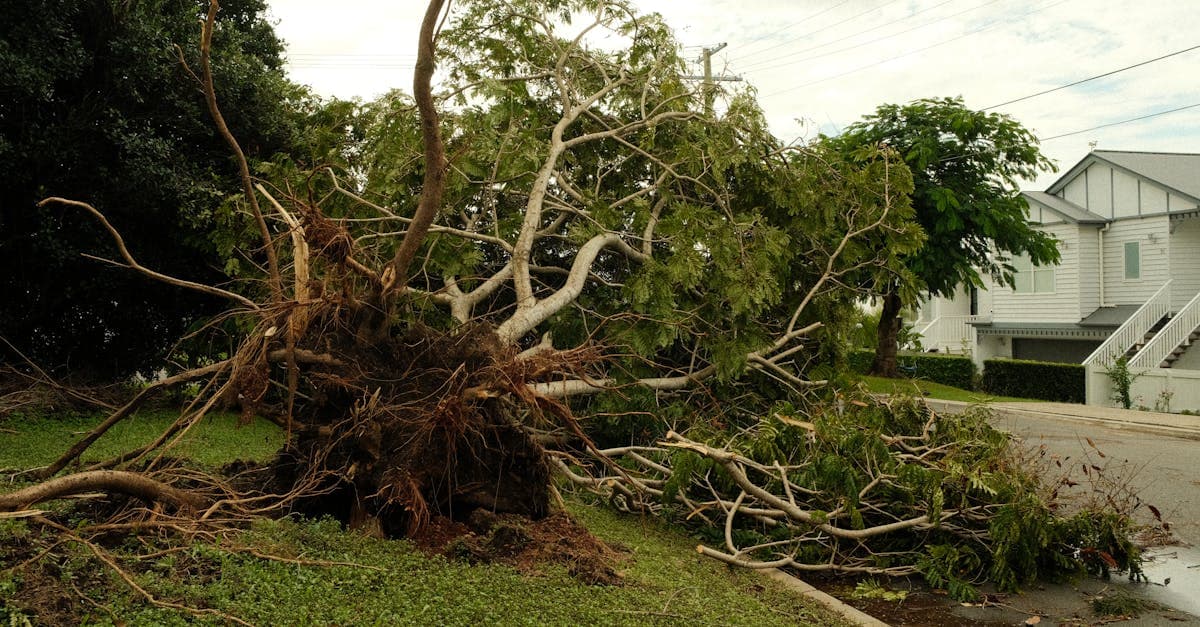
How to File an Insurance Claim for Fallen Tree Damage
Filing a fallen tree damage claim follows specific steps. Knowing the process before you need it speeds up your recovery and maximizes your settlement.

Temporary Repairs After Storm Damage: What Insurance Expects
Your policy requires you to prevent further damage after a storm. Understanding your duty to mitigate helps you make temporary repairs that your insurer will reimburse.

Plumbing Damage Deductibles: What You Will Pay Out of Pocket
Your deductible applies to every plumbing claim. Understanding how deductibles work helps you decide when filing a claim makes financial sense.

Is Mold From a Roof Leak Covered by Home Insurance?
Mold from a sudden roof leak is often covered; mold from a slow leak or neglected roof is not. The cause and timing determine whether your insurer will pay.
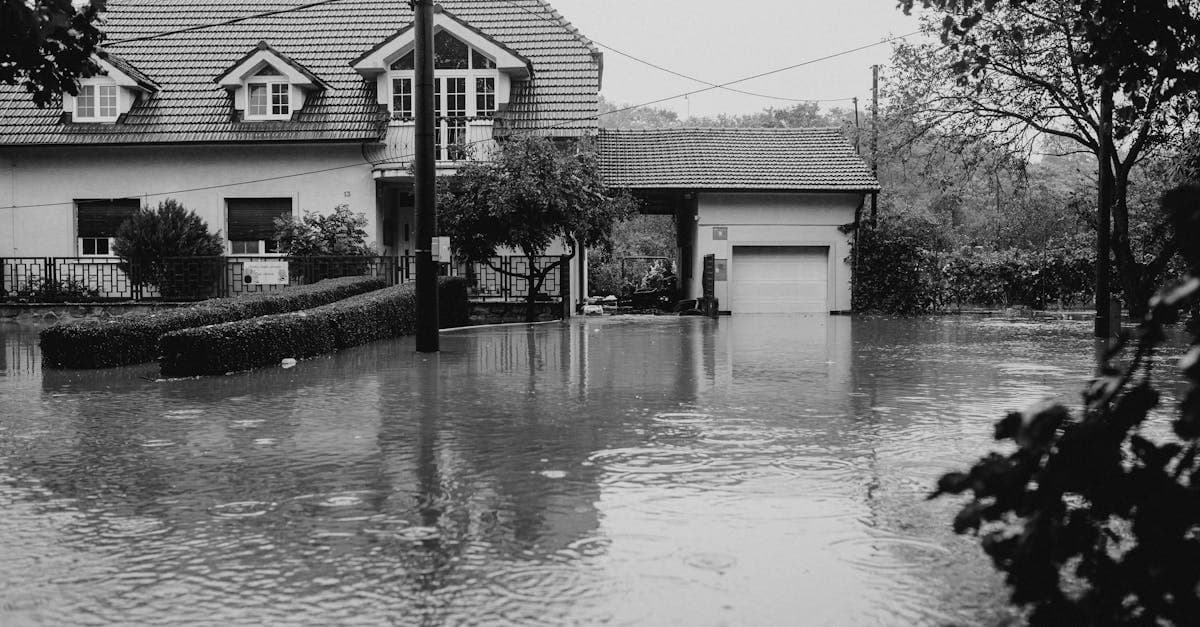
Storm Surge vs. Wind-Driven Rain: One Is Covered, One Isn't
After a hurricane, wind-driven rain damage is covered by homeowners insurance — but storm surge flooding is not. The distinction can save you tens of thousands.

Roof Leak Claim Denied? 5 Steps to Reverse the Decision
A denied roof leak claim isn't always final. Use these 5 steps — request the denial letter, gather contractor estimates, file an appeal — to fight back and win.

Why Homeowners Insurance Does Not Cover Gradual Water Damage
Slow leaks, seeping foundations, and moisture intrusion are excluded from homeowners coverage. The gradual damage exclusion separates covered accidents from preventable maintenance failures.

Theft Coverage Under Your Homeowners Policy: What You Need to Know
Homeowners insurance covers theft of personal property both inside and outside your home. Understanding coverage limits and documentation requirements strengthens your theft claim.

Why Florida's Legislative Changes Require More Frequent Policy Reviews
Florida's insurance laws change regularly, affecting PIP, no-fault rules, and coverage requirements. Legislative awareness ensures your policy stays compliant and optimized.

Florida Insurance Lapse While You Have a Car Loan
If your insurance lapses on a financed vehicle in Florida, your lender will force-place expensive coverage and may accelerate your loan. The financial damage compounds quickly.

Do You Need Bodily Injury Liability in Florida Even Though It Is Not Required?
Florida does not require bodily injury liability, but skipping it exposes your savings, home, and future wages to lawsuits. Most experts strongly recommend carrying it.

Florida PDL and Government Property Damage: Special Rules Apply
Damaging government property like guardrails, traffic signals, or highway signs in Florida triggers PDL claims with special considerations and billing processes.

What Florida PIP Does Not Cover: The Exclusions You Must Know
PIP has important limitations including coverage caps, treatment restrictions, and excluded expenses. Knowing what PIP excludes helps you arrange supplemental protection.

Getting a Rental Car After a Florida Accident: Your Coverage Options
Rental reimbursement coverage keeps you mobile after a Florida accident. Understanding your options prevents paying out of pocket for transportation.

Can Your Insurance Company Deny a Claim If Someone Else Was Driving?
Insurers can deny claims involving other drivers under specific circumstances. Understanding denial triggers helps you avoid coverage gaps.

Does Car Insurance Cover You in a Rental Car?
Your personal auto insurance may extend to rental vehicles, but coverage gaps exist. Knowing what transfers to a rental prevents unnecessary purchases.

Key Fob Relay Theft: How Criminals Steal Cars Without Keys
Relay attacks that amplify your key fob signal are a growing theft method. Understanding this technology helps you prevent theft and prepare your coverage.

Side Window and Rear Glass: Does Insurance Cover All Vehicle Glass?
Windshields get the most attention, but side and rear glass damage is also common. Learn how insurance treats different types of vehicle glass differently.

Gap Insurance and Negative Equity: Protecting Against Being Upside Down
Negative equity — owing more than your car is worth — is the exact situation gap insurance addresses. Understanding this protection is essential for anyone financing a vehicle.

What Rental Reimbursement Does Not Cover
Rental reimbursement has exclusions including mechanical breakdowns, luxury upgrades, and situations where your vehicle is drivable. Knowing the limits prevents surprises.

How to Use Roadside Assistance: A Step-by-Step Walkthrough
When your car breaks down, knowing exactly how to call your insurer's roadside assistance saves time and frustration. Here's the step-by-step process.

Is Uninsured Motorist Coverage Worth It for Retirees?
Retirees on fixed incomes face unique financial risks from uninsured driver accidents. Evaluating UM coverage through a retirement lens reveals its importance.

How Uninsured Motorist Claims Are Filed and Settled
Filing a UM claim means filing against your own insurer. The process differs from standard liability claims in important ways.

Comprehensive Insurance and Total Loss: When Your Car Is Totaled
If comprehensive damage exceeds your vehicle's value, the insurer declares a total loss. Understanding the valuation process protects your payout.

Collision Insurance and Your Car Loan: What Lenders Require
Most auto lenders require collision coverage as a condition of the loan. Understanding these requirements helps you stay compliant while optimizing costs.

Liability Limits for High-Income Earners: Protecting Future Earnings
High earners face unique liability risk because their future wages can be garnished. Higher limits protect not just current assets but income-earning capacity.

Is Full Coverage Worth the Cost? A Financial Analysis for Every Driver
Full coverage costs significantly more than liability-only policies. This analysis helps you determine whether the additional protection justifies the premium difference.

Collision Coverage: Protecting Your Vehicle Investment After Accidents
Collision coverage repairs or replaces your car after accidents regardless of fault. Without it, a single collision could destroy a $30,000+ investment.

How to Evaluate an Insurance Company's Reputation Before Buying
A policy is only as good as the company behind it. These questions reveal whether your insurer will actually pay when disaster strikes.

The Post-Purchase Insurance Review: What to Check After Buying a Home
New homeowners need immediate policy reviews to ensure coverage matches the specific property, its contents, and the associated liability exposure.

Reinsurance Costs Explained: The Hidden Force Behind Your Premium Increase
Insurers buy their own insurance called reinsurance. When reinsurance costs spike after catastrophic years, those costs pass through to you.

The Three-Year Rule: How Long Claims Haunt Your Insurance Record
Most insurers look back three to five years when pricing your policy. Every claim in that window affects your premium at every renewal.

How Premium Increases Factor Into Your Filing Decision
A single claim can raise premiums 10-40% for three to five years. Calculating the total premium impact helps you determine your true break-even point.

When Should You File an Insurance Claim?
Not every loss warrants a claim. Weighing the damage against your deductible and potential premium impact helps you decide wisely.

How Endorsements Override Policy Exclusions
Many standard exclusions can be reversed by adding an endorsement. Understanding this relationship helps you fill coverage gaps efficiently.

The Business Use Exclusion in Homeowners Insurance
Running a business from home may void parts of your homeowners coverage. Understanding business use exclusions helps you get appropriate coverage.

How to Dispute an Actual Cash Value Settlement
If your insurer's ACV determination seems too low, you have options. This guide walks through the dispute and appraisal process.
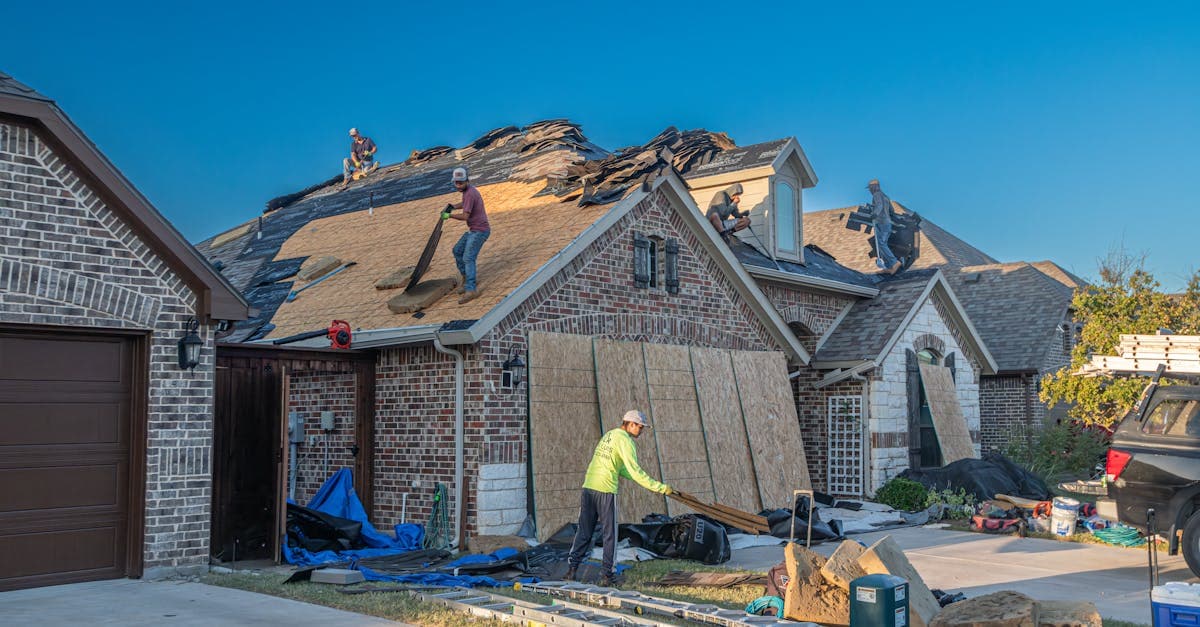
Replacement Cost and the Insurance Claims Process
Understanding how replacement cost works during a claim helps you maximize your payout and avoid common pitfalls.

Per-Occurrence vs. Aggregate Limits: Which One Protects You?
Per-occurrence limits cap each claim; aggregate limits cap your whole policy year. The difference can be the difference between full coverage and a catastrophic gap.

Premium Strategy: How to Pay Less for Better Coverage
Paying less in premiums does not mean accepting less coverage. Strategic policyholders find ways to reduce costs without sacrificing protection.
Understanding Your Declarations Page: A Policyholder's Essential Guide
If you only read one page of your insurance policy, make it the declarations page. This guide shows you why and how.

The Deductible Playbook: Strategies for Every Budget
High deductible or low? The right answer depends on your finances, your risk tolerance, and your claims history. Here is how to decide.

Getting Covered Right: The Checklist to Ensure Your Policy Has No Gaps
Most people think they're covered until a claim reveals they're not. This step-by-step checklist walks you through every coverage area to ensure your insurance has no gaps — before you find out the hard way.
