Storm Surge and Homeowners Insurance: Why Coastal Flooding Is Not Covered

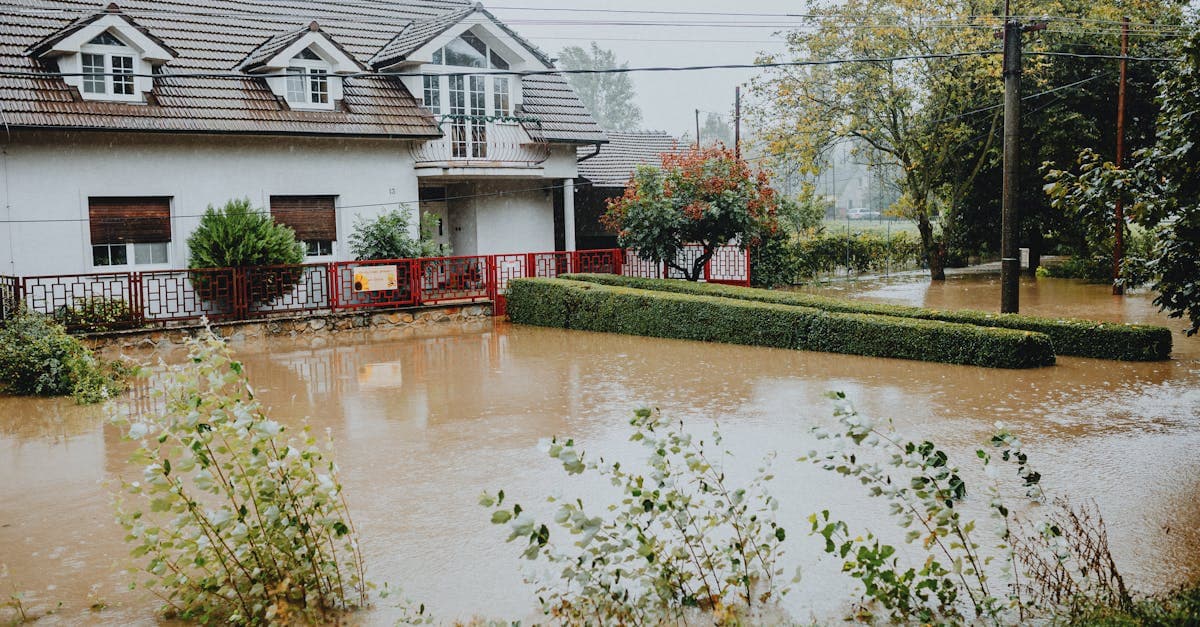
The data on flood damage and homeowners insurance tells a story of massive uninsured exposure. Only about 4 percent of American homeowners carry flood insurance, while nearly 100 percent carry homeowners insurance that explicitly excludes flood damage. This gap leaves the vast majority of homes financially exposed to one of the most common natural disasters.
FEMA estimates that one inch of floodwater in a home causes approximately $25,000 in damage. The average flood insurance claim exceeds $30,000. And floods are far more common than most homeowners realize — over the past five years, all 50 states have experienced flood events, and more than 25 percent of NFIP claims come from outside FEMA-designated high-risk zones.
The financial comparison between insured and uninsured flood victims is stark. Homeowners with flood insurance file a claim, receive a payment averaging over $30,000, and begin rebuilding. Homeowners without flood insurance face the same repair costs but fund them entirely from savings, loans, or deferred repairs. Federal disaster assistance, when available, averages about $5,000 and typically comes as a low-interest SBA loan that must be repaid.
Flood insurance premiums for NFIP policies average $700 to $900 per year nationally, with Preferred Risk Policies for low-risk zones costing as little as $300 to $500. Compare this annual cost against average claim payouts exceeding $30,000 and the mathematical case for separate flood coverage becomes overwhelming.
Storm Surge, Coastal Flooding, and Your Homeowners Policy
Your rights matter here. Coastal homeowners face a particularly dangerous version of the flood exclusion because their most likely source of catastrophic damage — storm surge from hurricanes and tropical storms — is classified as flood damage and excluded from homeowners coverage.
Storm surge is a flood event: When hurricane winds push ocean water inland, the resulting storm surge is classified as flooding under your homeowners policy. Even though the water arrives because of wind — a covered peril — the damage caused by the rising water itself is excluded as flood damage.
The wind vs surge distinction: After a hurricane, the claims adjustment process must distinguish between wind damage, which homeowners insurance covers, and flood or surge damage, which it does not. Wind can tear off roofs and break windows. Storm surge can inundate entire ground floors. Both happen during the same storm, but different policies cover each.
The coverage gap for coastal homes: A coastal homeowner with only homeowners insurance has coverage for wind damage to the roof and upper floors but zero coverage for storm surge damage to the ground floor and foundation. Since storm surge often causes the majority of hurricane damage, this gap can be enormous.
Flood insurance for storm surge: Both NFIP and private flood insurance policies cover storm surge damage. For coastal homeowners in hurricane-prone areas, flood insurance is essential for protecting against the primary source of catastrophic damage during tropical weather events.
Zone V designations: FEMA designates coastal high-hazard areas as Zone V, which faces the highest flood insurance premiums due to storm surge and wave action risk. Homes in Zone V with federally backed mortgages must carry flood insurance as a condition of the loan.
The comprehensive coastal strategy: Coastal homeowners need both homeowners insurance for wind and a separate flood policy for surge. Some also need windstorm-specific policies in states where standard homeowners policies exclude windstorm in coastal areas. Building a complete coverage portfolio requires understanding which perils each policy addresses.
Risk Rating 2.0: How FEMA's New Pricing Changes Flood Insurance Costs
This is where consumers need to pay attention. FEMA's Risk Rating 2.0 methodology represents the biggest change to flood insurance pricing since the NFIP's creation. Understanding this new approach helps homeowners anticipate their premiums and make informed purchasing decisions.
The old system's limitations: Under the legacy rating system, flood insurance premiums were based primarily on the property's FEMA flood zone and the building's elevation relative to the base flood elevation. This produced premiums that sometimes poorly reflected actual risk — some high-risk properties were undercharged while some lower-risk properties were overcharged.
What Risk Rating 2.0 considers: The new methodology evaluates flood frequency, multiple flood types including fluvial, pluvial, coastal, and storm surge, distance to the nearest water source and its type, property elevation, the cost to rebuild the structure, and building characteristics including foundation type and number of floors.
Impact on premiums: Risk Rating 2.0 produces more individualized premiums. Some homeowners see decreases because their individual risk factors are better than their zone suggested. Others see increases because their specific exposure — proximity to water, low elevation, or high replacement cost — was previously underpriced.
Annual increase caps: To prevent sudden premium shocks, FEMA caps annual NFIP premium increases at 18 percent for most policyholders. Homeowners whose Risk Rating 2.0 premiums are higher than their legacy rates will see gradual annual increases until their premium reaches the full actuarial rate.
Benefits for lower-risk properties: Homeowners with genuinely low flood risk may benefit from Risk Rating 2.0 pricing that better reflects their minimal exposure. Properties on higher ground, far from water, and with favorable building characteristics may see stable or reduced premiums.
The practical step: The best way to understand how Risk Rating 2.0 affects your flood insurance cost is to request a current quote. Your insurance agent can provide a premium estimate based on the new methodology, allowing you to make an informed decision about coverage.
The National Flood Insurance Program: How It Works for Homeowners
This is where consumers need to pay attention. The NFIP was created in 1968 to provide flood insurance that private markets refused to offer. Understanding how this federal program works helps homeowners navigate their primary option for closing the flood coverage gap.
Program structure: The NFIP is administered by FEMA but policies are sold and serviced through approximately 50 participating private insurance companies called Write Your Own carriers. You purchase an NFIP policy through your insurance agent, but the coverage is backed by the federal government.
Building coverage: NFIP residential policies offer building coverage up to $250,000. This covers the physical structure of your home including foundation walls, electrical and plumbing systems, HVAC equipment, permanently installed features like cabinets and built-in appliances, and debris removal.
Contents coverage: Separate contents coverage up to $100,000 protects personal property including furniture, clothing, electronics, and portable appliances. Building and contents coverage are purchased separately — having one does not automatically include the other.
What NFIP does not cover: NFIP policies exclude certain items including outdoor property, landscaping, currency, precious metals, and damage caused by moisture or mold that could have been prevented by the property owner. Below-grade coverage is more limited, excluding finished improvements like carpet, drywall, and paneling in basements.
Deductible options: NFIP policies offer deductibles ranging from $1,000 to $10,000 for building coverage and $1,000 to $10,000 for contents coverage. Higher deductibles reduce annual premiums but increase your out-of-pocket cost when filing a claim.
The waiting period: NFIP policies have a standard 30-day waiting period between purchase and the start of coverage. Exceptions exist for new mortgage loans and map revision changes, but in most cases, you must purchase 30 days before a flood to be covered.
Eligibility: NFIP flood insurance is available to homeowners, renters, and business owners in communities that participate in the NFIP. Most communities in the United States participate, making NFIP coverage widely available.
FEMA Flood Zones and What They Mean for Your Insurance
Your rights matter here. FEMA flood zone designations affect your flood insurance requirements, premiums, and risk awareness. Understanding these zones helps you evaluate your flood exposure and coverage needs.
High-risk zones (A and V): Zone A and its variants (AE, AH, AO, AR, A99) indicate areas with a 1 percent or greater annual chance of flooding — often called the 100-year floodplain. Zone V and VE are coastal high-risk zones with additional wave action hazard. Flood insurance is mandatory for federally backed mortgages in these zones.
Moderate-risk zones (B and Shaded X): Zone B and Shaded Zone X indicate areas with a 0.2 percent annual chance of flooding — the 500-year floodplain. Flood insurance is not required by lenders but is recommended. NFIP Preferred Risk Policies are available at reduced rates.
Low-risk zones (C and Unshaded X): Zone C and Unshaded Zone X indicate minimal flood risk areas outside the 500-year floodplain. Flood insurance is not required but is available. More than 25 percent of flood claims come from these supposedly low-risk areas.
How zones affect premiums: Your flood zone directly influences your premium. High-risk zone properties pay higher rates, while moderate and low-risk zone properties may qualify for Preferred Risk Policies at significantly lower premiums. Under Risk Rating 2.0, individual property characteristics also affect pricing within zones.
Zone changes and reclassification: FEMA periodically updates flood maps, and your property's zone can change. Reclassification from a low-risk to a high-risk zone triggers mandatory insurance requirements and potentially higher premiums. Purchasing flood insurance before reclassification may preserve lower rates.
The critical reminder: Your FEMA flood zone affects your flood insurance requirements and pricing, but it does not affect the flood exclusion in your homeowners policy. Your homeowners insurance excludes flood damage whether you are in Zone A, Zone X, or any other designation. The flood exclusion is universal.
The National Flood Insurance Program: How It Works for Homeowners
This is where consumers need to pay attention. The NFIP was created in 1968 to provide flood insurance that private markets refused to offer. Understanding how this federal program works helps homeowners navigate their primary option for closing the flood coverage gap.
Program structure: The NFIP is administered by FEMA but policies are sold and serviced through approximately 50 participating private insurance companies called Write Your Own carriers. You purchase an NFIP policy through your insurance agent, but the coverage is backed by the federal government.
Building coverage: NFIP residential policies offer building coverage up to $250,000. This covers the physical structure of your home including foundation walls, electrical and plumbing systems, HVAC equipment, permanently installed features like cabinets and built-in appliances, and debris removal.
Contents coverage: Separate contents coverage up to $100,000 protects personal property including furniture, clothing, electronics, and portable appliances. Building and contents coverage are purchased separately — having one does not automatically include the other.
What NFIP does not cover: NFIP policies exclude certain items including outdoor property, landscaping, currency, precious metals, and damage caused by moisture or mold that could have been prevented by the property owner. Below-grade coverage is more limited, excluding finished improvements like carpet, drywall, and paneling in basements.
Deductible options: NFIP policies offer deductibles ranging from $1,000 to $10,000 for building coverage and $1,000 to $10,000 for contents coverage. Higher deductibles reduce annual premiums but increase your out-of-pocket cost when filing a claim.
The waiting period: NFIP policies have a standard 30-day waiting period between purchase and the start of coverage. Exceptions exist for new mortgage loans and map revision changes, but in most cases, you must purchase 30 days before a flood to be covered.
Eligibility: NFIP flood insurance is available to homeowners, renters, and business owners in communities that participate in the NFIP. Most communities in the United States participate, making NFIP coverage widely available.
FEMA Flood Zones and What They Mean for Your Insurance
Your rights matter here. FEMA flood zone designations affect your flood insurance requirements, premiums, and risk awareness. Understanding these zones helps you evaluate your flood exposure and coverage needs.
High-risk zones (A and V): Zone A and its variants (AE, AH, AO, AR, A99) indicate areas with a 1 percent or greater annual chance of flooding — often called the 100-year floodplain. Zone V and VE are coastal high-risk zones with additional wave action hazard. Flood insurance is mandatory for federally backed mortgages in these zones.
Moderate-risk zones (B and Shaded X): Zone B and Shaded Zone X indicate areas with a 0.2 percent annual chance of flooding — the 500-year floodplain. Flood insurance is not required by lenders but is recommended. NFIP Preferred Risk Policies are available at reduced rates.
Low-risk zones (C and Unshaded X): Zone C and Unshaded Zone X indicate minimal flood risk areas outside the 500-year floodplain. Flood insurance is not required but is available. More than 25 percent of flood claims come from these supposedly low-risk areas.
How zones affect premiums: Your flood zone directly influences your premium. High-risk zone properties pay higher rates, while moderate and low-risk zone properties may qualify for Preferred Risk Policies at significantly lower premiums. Under Risk Rating 2.0, individual property characteristics also affect pricing within zones.
Zone changes and reclassification: FEMA periodically updates flood maps, and your property's zone can change. Reclassification from a low-risk to a high-risk zone triggers mandatory insurance requirements and potentially higher premiums. Purchasing flood insurance before reclassification may preserve lower rates.
The critical reminder: Your FEMA flood zone affects your flood insurance requirements and pricing, but it does not affect the flood exclusion in your homeowners policy. Your homeowners insurance excludes flood damage whether you are in Zone A, Zone X, or any other designation. The flood exclusion is universal.
A Personal Perspective on Flood Coverage
After years of seeing homeowners devastated by the discovery that their homeowners insurance does not cover flood damage, my advice is simple and direct: get a flood insurance quote and seriously consider purchasing coverage.
The families who recover from floods are the ones with flood insurance. They have a path to financial recovery that is funded by their policy rather than by their savings. The process is not always easy, but the outcome is fundamentally different from the uninsured experience.
The families without flood insurance face months or years of financial recovery. They deplete savings, take on debt, defer repairs that affect their home's safety and value, and carry the stress of an unresolved financial burden. Many never fully restore their homes to pre-flood condition.
A few hundred dollars per year is a modest price for the certainty that a flood event will not become a financial catastrophe. Whether you live in a high-risk zone or a low-risk zone, whether your home is near water or miles from it, the flood exclusion in your homeowners policy applies equally. The only variable is whether you have purchased the separate coverage designed to fill the gap.
Continue reading

Auto Insurance Quote Comparison: What Most Drivers Get Wrong
Comparing auto insurance quotes requires more than matching liability limits. Collision, comprehensive, uninsured motorist, and medical payment coverages all affect your protection and must be compared individually.

Policy Checkup for Homeowners: Dwelling Coverage and Beyond
A homeowners policy checkup should cover dwelling limits, personal property coverage, liability protection, additional living expenses, and endorsements for valuables and natural disasters.

When Assignment of Benefits Actually Helps Policyholders
In legitimate situations, an AOB lets a qualified contractor handle the insurer negotiation while you focus on recovery. Knowing when AOB works in your favor helps you make the right call.