Policy Checkup for Homeowners: Dwelling Coverage and Beyond

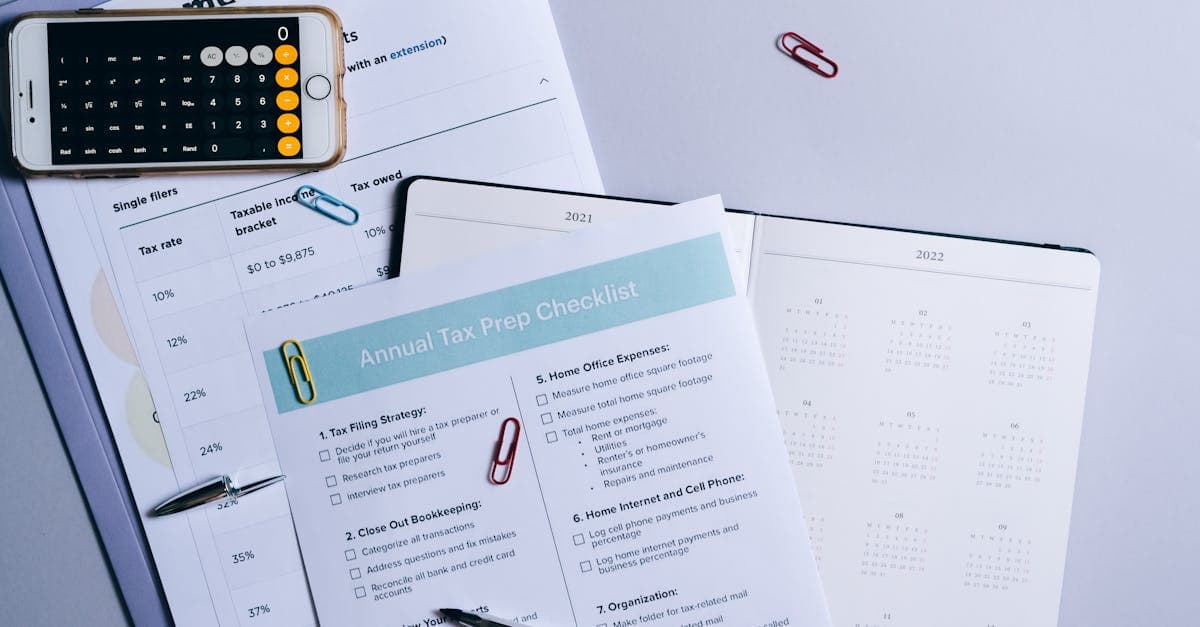
The data on policy checkups reveals both the value of regular reviews and the cost of neglecting them. Industry research consistently shows that approximately two-thirds of American homes are underinsured, with dwelling coverage limits averaging 20 percent below actual replacement costs. Life insurance coverage gaps are even wider, with the average American household carrying less than half the coverage financial advisors recommend.
Policyholders who review their coverage annually are significantly more likely to carry adequate limits, maintain appropriate endorsements, and take advantage of available discounts. The premium savings alone — typically 10 to 15 percent — often exceed the cost of the time invested in the review.
On the claims side, policyholders who have not reviewed their coverage in over two years are substantially more likely to discover coverage gaps during a claim. These gaps translate to out-of-pocket costs averaging $5,000 to $15,000 on homeowners claims and $2,000 to $8,000 on auto claims — costs that a simple review would have prevented.
The return on investment for a policy checkup is extraordinary. Spending one to two hours reviewing your coverage can save thousands in prevented gaps and hundreds in premium optimization. No other personal finance activity delivers this combination of risk reduction and cost savings in so little time.
Despite these benefits, surveys show that fewer than one in three policyholders conducts any kind of annual review. The majority buy a policy and never look at it again until a claim or a premium increase forces their attention. This inattention is the most common — and most preventable — insurance mistake consumers make.
Finding Premium Savings During Your Policy Checkup
Your rights matter here. One of the most rewarding outcomes of a policy checkup is discovering opportunities to reduce your premiums without sacrificing essential coverage. This is scheduling regular checkups for your insurance health so small coverage gaps get treated before they become costly claims crises.
Deductible adjustments: Increasing your deductible from $500 to $1,000 or from $1,000 to $2,500 can reduce your premium by 10 to 25 percent. If you have sufficient savings to cover the higher deductible, this is one of the easiest premium reductions available.
Multi-policy bundling: If your auto and homeowners policies are with different companies, bundling them with one insurer typically saves 10 to 20 percent. Ask each insurer what discount they offer for carrying both policies.
Discount eligibility: Insurance companies offer discounts that policyholders frequently miss. Home security systems, smoke detectors, fire extinguishers, deadbolt locks, and impact-resistant roofing can all reduce homeowners premiums. Safe driving records, defensive driving courses, low mileage, and anti-theft devices reduce auto premiums. Ask your agent for a complete list of available discounts.
Removing unnecessary coverage: Your checkup may reveal coverage you no longer need. Rental car reimbursement if you have multiple vehicles. Roadside assistance if you have it through AAA or your vehicle manufacturer. Collision coverage on a vehicle that has depreciated below the point where the coverage makes financial sense.
Payment method savings: Many insurers offer discounts for paying annually instead of monthly, for electronic funds transfer, for paperless billing, or for enrollment in autopay. These administrative savings can reduce your premium by 3 to 8 percent.
Competitive shopping: After your checkup identifies your coverage needs, compare quotes from multiple carriers. Rates vary significantly between insurers for identical coverage. Shopping every two to three years ensures you remain competitively priced.
Credit score impact: In states where credit-based insurance scores are used, improving your credit can lower your premium. If your credit has improved since your last review, ask your insurer to re-rate your policy.
Using Digital Tools for Your Policy Checkup
This is where consumers need to pay attention. Technology has made policy checkups more accessible and efficient than ever. Digital tools can supplement — though not replace — a conversation with your agent.
Online policy portals: Most insurers provide online access to your policy details including declarations pages, coverage summaries, endorsement lists, and claims history. Log in to your portal before your checkup to have all information at your fingertips.
Coverage calculators: Many insurer websites and independent tools offer coverage calculators that estimate your recommended dwelling coverage, auto liability limits, and life insurance needs based on your current information. These calculators provide useful benchmarks for your checkup.
Replacement cost estimators: Online tools can estimate your home's replacement cost using public data, satellite imagery, and construction cost databases. While these are not as precise as a professional appraisal, they provide a useful comparison to your current dwelling coverage limit.
Comparison shopping tools: After your checkup identifies your coverage needs, online comparison tools let you request quotes from multiple insurers simultaneously. Use these tools every two to three years to verify that your current carrier remains competitive.
Policy management apps: Some insurers and third-party apps aggregate all your insurance policies in one place, track renewal dates, and send review reminders. These tools make it easier to maintain the checkup habit.
Document storage: Digital document storage — cloud drives, insurer portals, or dedicated apps — keeps your policy documents, declarations pages, and home inventory accessible from anywhere. Having your documents organized digitally makes your checkup faster and more thorough.
Limitations of digital tools: Digital tools are supplements, not substitutes, for human judgment and professional advice. Complex situations — business insurance, estate planning, high-value assets — benefit from a conversation with a knowledgeable agent who can evaluate your specific circumstances.
The Auto Insurance Policy Checkup: What to Review
Your rights matter here. Auto insurance checkups are particularly valuable because driving patterns, vehicle values, and household changes affect your coverage needs frequently.
Liability limits: Your auto liability limits should protect your assets from a lawsuit resulting from an at-fault accident. If your assets have grown, your liability limits should increase. The state minimum is almost never adequate for anyone with significant savings or property.
Collision and comprehensive deductibles: As your vehicle depreciates, the gap between your deductible and the maximum payout on a total loss narrows. If your vehicle is worth $8,000 and your deductible is $1,000, the maximum collision benefit is $7,000. At some point, the premium for collision coverage may not justify the shrinking benefit.
Uninsured and underinsured motorist coverage: This coverage protects you when the at-fault driver has no insurance or insufficient coverage. Review your limits to ensure they match your medical cost exposure and income protection needs.
Medical payments coverage: Medical payments coverage pays your medical bills after an accident regardless of fault. Review the limit to ensure it provides meaningful coverage given your health insurance deductible and out-of-pocket exposure.
Vehicle changes: If you have bought, sold, or replaced any vehicles since your last review, verify that all current vehicles are listed with appropriate coverage and that former vehicles have been removed.
Driver changes: Teen drivers added to the household, adult children who have moved out, or changes in who uses which vehicle should all be reflected in your policy. Driver assignments affect both coverage and premium.
Usage changes: If your commute has changed, if you now work from home, or if your annual mileage has decreased, notify your insurer. Usage-based pricing or low-mileage discounts could reduce your premium.
Available discounts: Ask about safe driver, defensive driving course, good student, multi-car, multi-policy, anti-theft device, and usage-based insurance discounts that may apply to your current situation.
Deductible Review Strategy During Your Policy Checkup
This is where consumers need to pay attention. Your deductible is one of the most impactful coverage decisions you make, and it deserves dedicated attention during every policy checkup. The right deductible balances premium savings against out-of-pocket exposure.
The deductible-premium relationship: Higher deductibles lower premiums because you absorb more of each loss before insurance kicks in. On homeowners policies, increasing from a $1,000 to a $2,500 deductible can reduce your premium by 10 to 15 percent. On auto policies, similar increases produce 8 to 12 percent savings. During your checkup, calculate the annual savings and compare it to the additional exposure.
The break-even calculation: If raising your deductible by $1,500 saves $200 per year in premium, the break-even point is 7.5 years — meaning you would need to file a claim within 7.5 years for the lower deductible to have been the better choice. If you rarely file claims, the higher deductible saves money over time.
Financial capacity assessment: Your deductible should never exceed what you can comfortably pay out of pocket when a loss occurs. During your checkup, verify that your emergency fund or accessible savings can cover your highest deductible across all policies.
Percentage-based deductible awareness: In some areas, wind, hail, or hurricane deductibles are expressed as a percentage of your dwelling coverage limit rather than a flat dollar amount. A 2 percent deductible on $400,000 in dwelling coverage equals $8,000 — much higher than a typical flat deductible. Make sure you understand and can afford your percentage-based deductibles.
Claims history consideration: If you have filed multiple claims in recent years, a higher deductible may make sense to avoid filing small claims that trigger premium surcharges. If you have not filed a claim in many years, your current deductible strategy is working — but verify it still fits your financial situation.
Per-policy evaluation: Review deductibles on each policy independently. Your homeowners deductible, auto collision deductible, auto comprehensive deductible, and any specialty policy deductibles may each warrant different levels based on the type and frequency of claims for each coverage.
The Homeowners Policy Checkup: What to Review
This is where consumers need to pay attention. Your homeowners policy is one of the most complex insurance products you own, and it requires the most thorough checkup. Here is what to review.
Dwelling coverage limit: Compare your Coverage A limit to your home's current replacement cost. Account for renovations, additions, and construction cost increases since your last review. If the gap exceeds 5 percent, increase your limit. Remember that replacement cost is not market value — it is the cost to rebuild the physical structure at today's prices.
Personal property coverage: Inventory your belongings and estimate their total replacement value. Standard personal property coverage is typically 50 to 70 percent of your dwelling limit. If your possessions have grown beyond this amount, consider increasing your Coverage C limit.
Liability coverage: Your liability limit should reflect your total asset exposure. If your assets have grown — through savings, investments, home equity, or inheritance — your liability coverage should grow proportionally. Consider an umbrella policy if your assets exceed your homeowners liability limit.
Additional living expenses: Coverage D pays your extra living costs if your home becomes uninhabitable. Verify that the limit is sufficient to cover temporary housing in your area for the likely repair timeline of a major loss.
Endorsements and riders: Review scheduled items like jewelry, art, and collectibles to ensure values are current. Check whether you have endorsements for water backup, identity theft, home business, and other specific coverage needs.
Flood and earthquake coverage: Standard homeowners policies exclude both perils. If your risk profile has changed — through development, climate trends, or FEMA map updates — consider whether you need separate flood or earthquake coverage.
Deductible adequacy: Evaluate whether your deductible — both the standard deductible and any percentage-based wind or hail deductible — still matches your financial capacity and risk tolerance.
Coordinating Multiple Policies During Your Checkup
Your rights matter here. Most households carry multiple insurance policies — auto, homeowners or renters, life, health, and possibly umbrella, disability, and specialty coverage. Reviewing them together reveals coordination opportunities and gaps that single-policy reviews miss.
Coverage overlap identification: Some coverage may be duplicated across policies. Medical payments on your auto policy may overlap with your health insurance. Personal property coverage on your homeowners policy may duplicate coverage provided by a separate valuable items policy. Identifying overlaps lets you eliminate redundant coverage and redirect premium dollars.
Gap identification: More importantly, multi-policy review reveals gaps where no policy provides coverage. Your homeowners liability ends at your policy limit, but your umbrella policy requires minimum underlying limits that may be higher than what you carry. Your auto policy excludes business use, and your business policy excludes personal vehicles used for business. These coordination gaps only become visible when you review all policies together.
Umbrella policy alignment: If you carry an umbrella policy, it requires minimum underlying limits on your auto and homeowners policies. Verify that your underlying limits meet the umbrella's requirements — if they fall short, the umbrella policy may not respond when you need it.
Bundling optimization: Carrying multiple policies with the same insurer typically generates multi-policy discounts. During your checkup, evaluate whether consolidating policies with one carrier produces better pricing than spreading them across multiple insurers.
Consistent information: Verify that all your policies reflect the same current information — correct address, current vehicles, accurate household members, and updated property details. Inconsistencies across policies can create claims problems.
Annual timing alignment: Consider aligning your policy renewal dates so all policies renew at approximately the same time. This makes your annual checkup more efficient because you review everything at once rather than conducting multiple reviews throughout the year.
Making Policy Checkups Part of Your Life
In my experience, the policyholders who have the best insurance outcomes share one common trait: they pay attention to their coverage. Not obsessive attention — just regular, thoughtful attention through periodic checkups.
These are the people who catch dwelling coverage gaps before fires occur. Who update beneficiaries before the unexpected happens. Who discover discounts that save hundreds per year. And who face claims with confidence because they know their coverage is current and adequate.
The policyholders who struggle are the ones who treat insurance as a purchase rather than a relationship. They buy it and forget it, trusting that the coverage they selected years ago still fits their current life.
The difference between these two groups is not expertise, wealth, or access to better products. It is attention. The simple act of reviewing your coverage once a year — comparing what you have to what you need and closing any gaps — transforms your insurance from a static document into a dynamic, responsive protection system.
Make the commitment today. Your future self — the one facing a claim, a life change, or a premium increase — will thank you.
Continue reading

Auto Insurance Quote Comparison: What Most Drivers Get Wrong
Comparing auto insurance quotes requires more than matching liability limits. Collision, comprehensive, uninsured motorist, and medical payment coverages all affect your protection and must be compared individually.

When Assignment of Benefits Actually Helps Policyholders
In legitimate situations, an AOB lets a qualified contractor handle the insurer negotiation while you focus on recovery. Knowing when AOB works in your favor helps you make the right call.

How Long Does an Insurance Adjuster Take to Inspect Your Property
Adjuster scheduling is often the first bottleneck in the claims process. Knowing typical inspection timelines and how to expedite scheduling keeps your claim moving forward.