Burst Pipe vs Rising Floodwater: Two Water Events, Two Different Policies

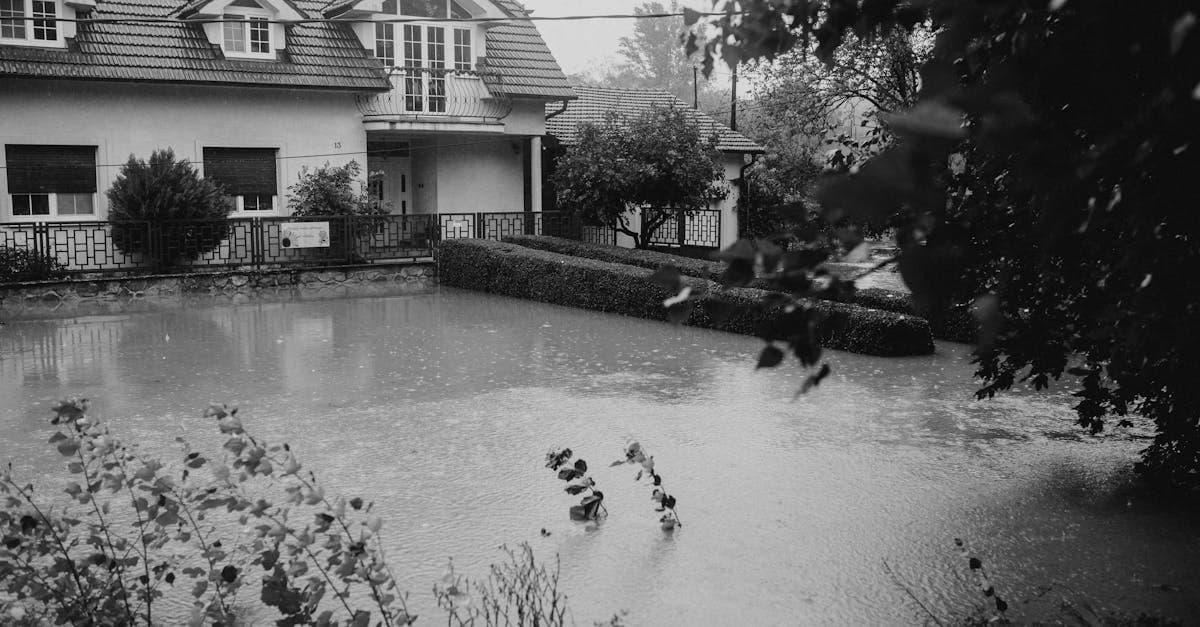
The numbers tell a clear story about why homeowners need both flood insurance and homeowners insurance. Average homeowners insurance water damage claims run $11,000 to $15,000, typically from burst pipes, appliance failures, and roof leaks. Average NFIP flood claims exceed $52,000, reflecting the broader and more destructive nature of flooding events.
FEMA estimates that just one inch of floodwater in a home causes approximately $25,000 in damage. Homeowners insurance pays zero of that amount because every standard policy excludes flood damage. Without a separate flood policy, the full cost falls on the homeowner.
Nationally, about 90 percent of natural disasters involve flooding. Yet only about 4 percent of homeowners outside high-risk zones carry flood insurance. This gap between flood frequency and flood coverage means millions of homes face devastating financial exposure from the one water peril their homeowners insurance will not cover.
The cost gap is also telling. Average annual homeowners insurance premiums run $1,500 to $3,000. Flood insurance for homes in moderate-risk zones costs $300 to $700 per year through the NFIP Preferred Risk Policy. For a combined annual cost of roughly $2,000 to $3,500, homeowners can have comprehensive protection against every category of water damage. Omitting flood insurance to save a few hundred dollars creates exposure to losses measured in tens of thousands.
NFIP Flood Insurance vs Private Flood Insurance: How Both Compare to Homeowners Coverage
Your rights matter here. Homeowners considering flood insurance can choose between the NFIP and private flood insurers. Understanding how each option compares to your homeowners coverage helps you select the best combination for complete protection.
NFIP overview: The National Flood Insurance Program is a federal program administered by FEMA. It offers standardized policies with fixed terms, coverage limits of $250,000 for buildings and $100,000 for contents, and premiums based on Risk Rating 2.0 methodology. NFIP policies are available through participating insurance agents.
Private flood insurance overview: Private flood insurers offer policies that may differ from NFIP terms. Coverage limits can exceed NFIP caps, coverage features may include replacement cost on contents and loss of use benefits, and pricing reflects each insurer's proprietary risk models.
Coverage limit comparison: NFIP caps building coverage at $250,000. If your home's replacement cost exceeds this amount, an NFIP policy leaves a gap that neither your flood policy nor your homeowners policy covers. Private flood insurance can provide higher building limits to match your home's full value.
Contents valuation comparison: NFIP pays actual cash value for contents, meaning depreciation is deducted. Homeowners insurance and some private flood policies pay replacement cost for contents. This difference significantly affects your recovery — a five-year-old sofa worth $2,000 new might receive only $800 under actual cash value.
Loss of use comparison: Homeowners insurance includes loss of use coverage for temporary housing during repairs. NFIP flood insurance does not. Some private flood insurers include loss of use coverage, making their policies more comparable to the comprehensive protection homeowners insurance provides.
Claims process comparison: Homeowners claims go through your private insurer's claims department. NFIP claims involve FEMA-affiliated adjusters and federal claims procedures. Private flood claims go through the issuing company's process. Response times and payment speeds vary across all three.
The optimal combination: Many homeowners achieve the best protection by maintaining their homeowners policy with a reputable private insurer and adding flood insurance — either NFIP or private — that best complements their homeowners coverage in terms of limits, valuation methods, and additional features.
Loss of Use Coverage: A Critical Gap Between Flood and Homeowners Insurance
This is where consumers need to pay attention. One of the most impactful differences between flood insurance and homeowners insurance has nothing to do with property damage — it is about where you live while your home is being repaired.
Homeowners insurance loss of use: Standard homeowners policies include Coverage D — Loss of Use or Additional Living Expenses. If a covered event like fire, windstorm, or internal water damage makes your home uninhabitable during repairs, your homeowners policy pays for temporary housing, increased food costs, and other necessary expenses. This coverage typically has a generous limit — often 20 to 30 percent of your dwelling coverage amount.
NFIP flood insurance has no loss of use: The NFIP does not provide loss of use or additional living expense coverage. If flooding makes your home uninhabitable for weeks or months during repairs, the NFIP policy does not pay for a hotel, rental apartment, or any increased living costs. You pay these expenses out of pocket.
The financial impact of this gap: Flood damage that displaces a family for two to three months can generate $5,000 to $15,000 or more in additional living expenses — hotel rooms, restaurant meals, laundry, storage, and transportation. Without loss of use coverage, these costs add to the financial burden of the flood event.
Private flood insurance may help: Some private flood insurers include loss of use coverage in their flood policies. This benefit can be a significant differentiator when comparing NFIP and private flood options, especially for homes where severe flood damage could require extended displacement.
Planning for displacement without coverage: Since NFIP flood insurance does not cover displacement, homeowners should plan for this gap. Maintaining emergency savings sufficient to cover two to three months of temporary housing provides a financial buffer. Some homeowners purchase separate displacement coverage or factor this gap into their emergency planning.
Why the gap exists: The NFIP was designed to cover direct physical damage from flooding, keeping premiums as low as possible. Adding loss of use coverage would increase NFIP premiums, which conflicts with the program's goal of making flood insurance affordable and accessible. This design choice creates the gap that homeowners must address through other means.
Water Damage Scenarios: Which Policy Pays for What
This is where consumers need to pay attention. Mapping specific water damage scenarios to the correct insurance policy eliminates confusion and ensures you know exactly what to expect from each policy when water damage occurs.
Burst pipe in the kitchen: Your homeowners insurance pays. This is sudden and accidental internal water damage — a core covered peril in every homeowners policy. Coverage includes repair of the pipe, water extraction, damaged flooring, drywall, cabinets, and personal property.
River overflows and floods your ground floor: Your flood insurance pays. Rising water from a natural waterway is the textbook definition of flood damage. Your homeowners policy excludes this entirely. Without flood insurance, you pay the full cost out of pocket.
Hurricane wind damages your roof and storm surge floods your first floor: Both policies pay, but for different damage. Homeowners insurance covers the roof damage and any water damage from rain entering through the damaged roof. Flood insurance covers the storm surge damage to your first floor. Two claims, two adjusters, two separate payments.
Heavy rain overwhelms storm drains and water enters through your front door: Your flood insurance pays. Surface water that accumulates from rainfall and enters your home from outside is flood damage. Even though the source is rain, the fact that water rose and entered at ground level makes it a flood event.
Sewer backs up into your basement during a storm: This requires sewer backup coverage — an endorsement on your homeowners policy, not flood insurance. If surface water also enters your basement from outside simultaneously, you may need both your sewer backup endorsement and flood insurance to cover all the damage.
Washing machine supply line bursts while you are on vacation: Your homeowners insurance pays. This is an internal plumbing failure, a covered peril under homeowners policies. However, damage may be reduced if your policy has a vacancy limitation.
Groundwater rises and enters your basement: Your flood insurance pays. Rising groundwater that inundates your basement meets the NFIP definition of flooding. Your homeowners policy excludes this water source entirely.
Sewer Backup Coverage: The Third Piece of Complete Water Protection
Your rights matter here. Between flood insurance and homeowners insurance, there is a third water damage coverage that many homeowners overlook: sewer backup coverage. Understanding all three products ensures no water damage scenario leaves you unprotected.
What sewer backup coverage is: Sewer backup coverage is an endorsement — an add-on — to your homeowners insurance policy. It covers water damage caused by water or sewage that backs up into your home through sewer lines, floor drains, or sump pump systems. This is not a standalone policy but a rider on your existing homeowners coverage.
Why standard homeowners does not cover it: Many homeowners policies exclude or limit coverage for water that backs up through drains or sewers. The sewer backup endorsement adds this coverage back into the policy for an additional premium, typically $40 to $160 per year.
Why flood insurance does not cover it: Flood insurance covers water that enters from outside as surface water or overflow. Sewer backup enters through your home's drainage system — a different entry mechanism. The NFIP does not classify sewer backup as a flood event unless the backup was directly caused by flooding on the surface.
When sewer backup and flooding happen together: Heavy rainfall can simultaneously overwhelm municipal sewers causing backup through your drains and cause surface flooding that enters through doors and foundations. You may need both sewer backup coverage and flood insurance to cover all the damage from a single rainfall event.
Coverage limits for sewer backup: Sewer backup endorsements typically provide $5,000 to $25,000 in coverage — significantly less than homeowners or flood policy limits. For homes with finished basements where sewer backup damage can be extensive, selecting the highest available limit is advisable.
The complete water damage protection package: Homeowners insurance for internal water events. Flood insurance for external rising water. Sewer backup coverage for drain and sewer backflows. Together, these three products cover virtually every way water can damage your home. The combined cost — homeowners premium plus a few hundred for flood plus $40 to $160 for sewer backup — is modest compared to the comprehensive protection provided.
Water Damage Scenarios: Which Policy Pays for What
This is where consumers need to pay attention. Mapping specific water damage scenarios to the correct insurance policy eliminates confusion and ensures you know exactly what to expect from each policy when water damage occurs.
Burst pipe in the kitchen: Your homeowners insurance pays. This is sudden and accidental internal water damage — a core covered peril in every homeowners policy. Coverage includes repair of the pipe, water extraction, damaged flooring, drywall, cabinets, and personal property.
River overflows and floods your ground floor: Your flood insurance pays. Rising water from a natural waterway is the textbook definition of flood damage. Your homeowners policy excludes this entirely. Without flood insurance, you pay the full cost out of pocket.
Hurricane wind damages your roof and storm surge floods your first floor: Both policies pay, but for different damage. Homeowners insurance covers the roof damage and any water damage from rain entering through the damaged roof. Flood insurance covers the storm surge damage to your first floor. Two claims, two adjusters, two separate payments.
Heavy rain overwhelms storm drains and water enters through your front door: Your flood insurance pays. Surface water that accumulates from rainfall and enters your home from outside is flood damage. Even though the source is rain, the fact that water rose and entered at ground level makes it a flood event.
Sewer backs up into your basement during a storm: This requires sewer backup coverage — an endorsement on your homeowners policy, not flood insurance. If surface water also enters your basement from outside simultaneously, you may need both your sewer backup endorsement and flood insurance to cover all the damage.
Washing machine supply line bursts while you are on vacation: Your homeowners insurance pays. This is an internal plumbing failure, a covered peril under homeowners policies. However, damage may be reduced if your policy has a vacancy limitation.
Groundwater rises and enters your basement: Your flood insurance pays. Rising groundwater that inundates your basement meets the NFIP definition of flooding. Your homeowners policy excludes this water source entirely.
Sewer Backup Coverage: The Third Piece of Complete Water Protection
Your rights matter here. Between flood insurance and homeowners insurance, there is a third water damage coverage that many homeowners overlook: sewer backup coverage. Understanding all three products ensures no water damage scenario leaves you unprotected.
What sewer backup coverage is: Sewer backup coverage is an endorsement — an add-on — to your homeowners insurance policy. It covers water damage caused by water or sewage that backs up into your home through sewer lines, floor drains, or sump pump systems. This is not a standalone policy but a rider on your existing homeowners coverage.
Why standard homeowners does not cover it: Many homeowners policies exclude or limit coverage for water that backs up through drains or sewers. The sewer backup endorsement adds this coverage back into the policy for an additional premium, typically $40 to $160 per year.
Why flood insurance does not cover it: Flood insurance covers water that enters from outside as surface water or overflow. Sewer backup enters through your home's drainage system — a different entry mechanism. The NFIP does not classify sewer backup as a flood event unless the backup was directly caused by flooding on the surface.
When sewer backup and flooding happen together: Heavy rainfall can simultaneously overwhelm municipal sewers causing backup through your drains and cause surface flooding that enters through doors and foundations. You may need both sewer backup coverage and flood insurance to cover all the damage from a single rainfall event.
Coverage limits for sewer backup: Sewer backup endorsements typically provide $5,000 to $25,000 in coverage — significantly less than homeowners or flood policy limits. For homes with finished basements where sewer backup damage can be extensive, selecting the highest available limit is advisable.
The complete water damage protection package: Homeowners insurance for internal water events. Flood insurance for external rising water. Sewer backup coverage for drain and sewer backflows. Together, these three products cover virtually every way water can damage your home. The combined cost — homeowners premium plus a few hundred for flood plus $40 to $160 for sewer backup — is modest compared to the comprehensive protection provided.
What I Have Seen: Why Both Policies Matter
In my experience working with homeowners after water damage events, the biggest predictor of financial recovery is whether they had the right insurance in place before the water arrived. Families with both flood and homeowners insurance file their claims, work through the process, and rebuild. Families with only homeowners insurance face devastating surprise exclusions when flood damage is denied.
The conversation I dread most is explaining to a homeowner that their $40,000 in flood damage is not covered because they only have homeowners insurance. They paid their premiums faithfully. They trusted their coverage. And their trust was misplaced because nobody clearly explained what the flood exclusion means.
The families who avoid this conversation are the ones who asked the right questions before buying their home. They learned that homeowners insurance excludes flooding. They purchased flood insurance — often for just a few hundred dollars a year. And when water damaged their home, they had a policy that responded regardless of the water's source.
You have the opportunity to be the homeowner who understands both policies and carries both. A few hundred dollars per year for flood insurance alongside your existing homeowners coverage is the most cost-effective protection decision you can make. Do not learn the difference between these two policies from a claims denial letter.
Most homeowners policies stop where flood damage starts. Truscott's guide to what flood insurance actually covers explains where the line falls and what a separate flood policy includes.
Continue reading

Auto Insurance Quote Comparison: What Most Drivers Get Wrong
Comparing auto insurance quotes requires more than matching liability limits. Collision, comprehensive, uninsured motorist, and medical payment coverages all affect your protection and must be compared individually.

Policy Checkup for Homeowners: Dwelling Coverage and Beyond
A homeowners policy checkup should cover dwelling limits, personal property coverage, liability protection, additional living expenses, and endorsements for valuables and natural disasters.

When Assignment of Benefits Actually Helps Policyholders
In legitimate situations, an AOB lets a qualified contractor handle the insurer negotiation while you focus on recovery. Knowing when AOB works in your favor helps you make the right call.