Does Flood Insurance Cover Your Basement? Understanding Below-Grade Limits

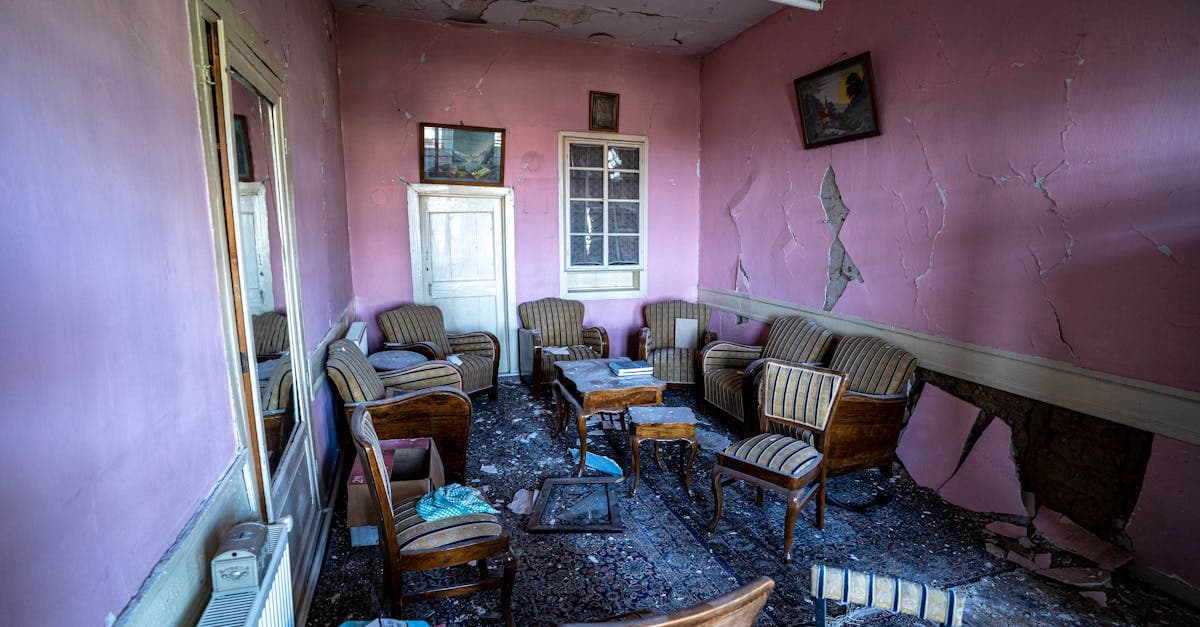
The numbers behind flood insurance claims reveal exactly where coverage dollars go when homeowners file after a flood event. According to NFIP data, the average residential flood claim is approximately $52,000, with building coverage claims averaging around $39,000 and contents claims averaging around $13,000.
The most common building coverage items claimed include flooring replacement at an average of $4,000 to $12,000, drywall repair and replacement at $3,000 to $8,000, electrical system repair at $2,000 to $5,000, and mechanical system replacement at $3,000 to $10,000. These structural elements absorb the largest share of building coverage payouts.
Contents claims most commonly cover furniture at $2,000 to $8,000, electronics at $1,000 to $4,000, clothing at $500 to $3,000, and appliances at $1,000 to $5,000. The actual amounts depend on flood depth, duration, and the quality of belongings in the home.
NFIP policies provide up to $250,000 in building coverage and up to $100,000 in contents coverage for residential properties. Private flood insurers may offer higher limits. Understanding these numbers helps homeowners select coverage amounts that match their actual exposure and ensures the policy pays enough to restore the home after a flood event.
Mechanical Systems Coverage: Protecting Your Home's Essential Equipment
Your rights matter here. Your home's mechanical systems — heating, cooling, plumbing, and electrical — are among the most expensive components to replace after a flood. Flood insurance building coverage protects all of these critical systems, and understanding this coverage helps you appreciate the true value of your policy.
HVAC system coverage: Furnaces, boilers, air conditioning compressors, heat pumps, air handlers, and all connected ductwork are covered under building coverage. These systems range from $3,000 to $15,000 to replace, making them a significant component of flood claims.
Water heating equipment: Tank and tankless water heaters, including their connections and safety valves, are covered. Water heaters are frequently damaged in floods because they are often located at ground level or in basements.
Electrical system coverage: The main electrical panel, circuit breakers, wiring throughout the home, outlets, switches, and light fixtures are all covered under building coverage. Electrical restoration after flooding is both expensive and critical for safety.
Plumbing system coverage: All supply pipes, drain pipes, fixtures including sinks, toilets, bathtubs, and showers, and connected valves and fittings are covered. Flood damage can contaminate and corrode plumbing systems, requiring extensive replacement.
Well and septic systems: Well pumps, pressure tanks, well casings, septic tanks, and drain field components that serve the insured building are covered under building coverage. These systems are essential for rural homes and expensive to replace.
Why mechanical coverage matters: Mechanical systems often represent $20,000 to $40,000 in total replacement value in a typical home. Without flood insurance, replacing these systems after a flood requires homeowners to cover these costs entirely out of pocket.
Flood Insurance for Rental Properties: Landlord and Tenant Responsibilities
This is where consumers need to pay attention. Rental property flood insurance involves separate responsibilities for landlords and tenants. Understanding who covers what ensures the building, improvements, and personal property are all protected.
Landlord building coverage: The property owner purchases building coverage to protect the rental structure, including walls, floors, foundation, systems, and permanently installed features. The NFIP provides up to $250,000 in building coverage per residential building.
Landlord contents for supplied items: If the landlord provides furnishings, appliances, or other personal property as part of the rental, these items may be covered under the landlord's contents coverage or building coverage depending on installation.
Tenant contents coverage: Tenants must purchase their own flood insurance contents coverage to protect their personal belongings — furniture, clothing, electronics, and other items they bring to the rental. The landlord's policy does not cover tenant property.
Tenant awareness: Many tenants do not realize that their landlord's flood insurance does not cover their personal belongings. Landlords should inform tenants about the need for individual contents coverage as part of the lease process.
Multi-unit buildings: Each unit in a multi-unit residential building can have separate flood insurance policies. The building owner carries building coverage for the entire structure, while each tenant carries individual contents coverage.
Rental income protection: Standard NFIP policies do not cover lost rental income during flood repairs. Landlords who depend on rental income should explore private flood policies that include business income or rental income coverage.
Flood Insurance for Mobile and Manufactured Homes
Your rights matter here. Mobile and manufactured homes are eligible for flood insurance through both the NFIP and private insurers. Understanding the specific requirements and coverage details for these homes ensures proper protection.
Eligibility requirements: To qualify for NFIP flood insurance, a manufactured home must be affixed to a permanent foundation with wheels, axles, and towing equipment removed. It must be connected to permanent utilities and meet local building requirements.
Building coverage available: Manufactured homes can receive up to $250,000 in NFIP building coverage — the same limit as site-built homes. Coverage includes the structure, mechanical systems, built-in features, and foundation.
Contents coverage available: Up to $100,000 in NFIP contents coverage is available for personal property inside the manufactured home. The same building-versus-contents classification rules apply.
Foundation coverage: The permanent foundation supporting the manufactured home, including piers, anchors, and tie-downs, is covered under building coverage. Foundation damage from flooding can be extensive and expensive to repair.
Vulnerability considerations: Manufactured homes may be more vulnerable to flood damage than site-built homes due to construction methods and materials. Higher coverage limits and lower deductibles may be appropriate given this increased vulnerability.
Premium factors: Flood insurance premiums for manufactured homes are based on the same factors as site-built homes — flood zone, elevation, building characteristics, and coverage amounts. Elevation above the base flood elevation significantly affects rates.
Private alternatives: Private flood insurers may offer competitive coverage for manufactured homes with potentially broader terms. Compare private options with NFIP coverage to find the best combination of price and protection.
Commercial vs Residential Flood Insurance Coverage Differences
This is where consumers need to pay attention. Business owners and commercial property investors face different flood insurance coverage structures than residential homeowners. Understanding these differences ensures the right policy type is in place.
Higher coverage limits: NFIP commercial flood policies offer up to $500,000 in building coverage and $500,000 in contents coverage — double the residential limits. Private commercial flood policies may offer even higher limits.
Business personal property: Commercial contents coverage protects business equipment, inventory, fixtures, and other business personal property. The classification of building versus contents follows similar rules as residential policies.
Business income coverage: Standard NFIP commercial policies do not include business income or business interruption coverage. Private commercial flood policies may offer this coverage to protect against lost revenue during repair periods.
Tenant vs landlord responsibilities: Commercial tenants and landlords have the same divided responsibility as residential — landlords cover the building structure and tenants cover their business personal property and improvements.
Mixed-use buildings: Buildings with both residential and commercial uses may require specific policy structures to ensure both the living space and business space are properly covered under the appropriate policy types.
Coinsurance provisions: Some commercial flood policies include coinsurance provisions that require the insured to carry a minimum percentage of the property's value. Failing to meet this requirement can reduce claim payouts.
Risk management integration: Commercial flood insurance should be part of a broader business risk management plan that includes business continuity planning, data backup, and inventory management to minimize flood-related business disruption.
Basement Coverage Under Flood Insurance: What Is and Is Not Protected
This is where consumers need to pay attention. Basement coverage is one of the most misunderstood aspects of flood insurance. The NFIP applies significant restrictions to what it covers below the lowest elevated floor, and understanding these limits prevents costly surprises after a basement flood.
What the NFIP covers in basements: Structural elements including foundation walls, floor slabs, and support columns are covered. Essential building equipment including furnaces, water heaters, heat pumps, electrical junction boxes, circuit breaker panels, sump pumps, and well water equipment are covered.
What the NFIP does not fully cover in basements: Finished improvements below the lowest elevated floor receive limited coverage. Drywall, paneling, carpet, tile, and other finish materials in basements are not fully covered. Built-in furniture, bookcases, and non-essential storage are excluded from basement coverage.
Contents in basements: NFIP contents coverage in basements is limited to washers, dryers, portable freezers and their food, and air conditioning systems. Other personal property stored in basements — furniture, electronics, clothing, stored items — is not covered by NFIP policies.
Why these limits exist: Basements are the most flood-prone part of any home, and the NFIP's coverage restrictions reflect the high probability and frequency of basement water intrusion. The limits encourage homeowners to minimize valuable improvements and storage in below-grade spaces.
Private flood insurance alternatives: Some private flood insurers offer broader basement coverage than the NFIP, including coverage for finished improvements and a wider range of contents. If you have a finished basement, compare NFIP and private policy basement terms carefully.
Practical implications: If you have a finished basement with significant improvements, understand that NFIP coverage may pay only a fraction of your restoration costs. Consider private flood insurance with enhanced basement coverage or maintain separate savings for basement flood recovery.
Replacement Cost vs Actual Cash Value: How Flood Insurance Payouts Work
Your rights matter here. How much flood insurance actually pays after a claim depends on whether your policy pays replacement cost or actual cash value. This distinction significantly affects your out-of-pocket costs during recovery.
Replacement cost defined: Replacement cost is the amount needed to replace damaged property with new property of similar kind and quality at current prices. No deduction is made for depreciation, age, or wear and tear.
Actual cash value defined: Actual cash value is the replacement cost minus depreciation. A ten-year-old furnace that costs $5,000 to replace new might have an actual cash value of $2,500 after depreciation is applied.
NFIP building coverage: For qualifying single-family homes that are the policyholder's principal residence and insured to at least 80 percent of the building's replacement cost, the NFIP pays replacement cost on building claims. Buildings that do not meet these criteria may receive actual cash value.
NFIP contents coverage: Under the NFIP, contents coverage always pays actual cash value. Every personal property item is depreciated based on its age, condition, and expected useful life. This means your payout will be less than the cost to buy new replacements.
Private flood insurance options: Many private flood insurers offer replacement cost coverage for both building and contents. This enhanced coverage eliminates depreciation from payouts and provides more money for recovery. Premiums may be higher to reflect this broader coverage.
The financial impact: For a home with $40,000 in flood damage, the difference between replacement cost and actual cash value payouts can be $5,000 to $15,000. Homeowners receiving ACV payouts must fund the depreciation gap from their own resources.
Choosing wisely: If replacement cost contents coverage matters to you, compare private flood insurance options that offer this benefit. The additional premium may be well worth the enhanced payout when a flood claim is filed.
Personal Perspective: Why Understanding Coverage Matters
In my experience with flood insurance claims, the single factor that most affects homeowner satisfaction is whether they understood their coverage before filing a claim. Homeowners who knew the building-versus-contents distinction, understood basement limitations, and had realistic expectations about replacement cost versus actual cash value navigated the process with confidence.
The homeowners who struggled were those who assumed everything was covered without reviewing their policy. They expected full replacement cost on depreciated contents. They expected their finished basement to be fully covered. They expected loss of use coverage that the NFIP does not provide.
The thirty minutes you spend reviewing your flood insurance policy today can save you hours of frustration and thousands of dollars in unmet expectations after a flood. Read the policy. Ask your agent questions. And make sure your coverage matches what you actually need to recover.
Continue reading

Auto Insurance Quote Comparison: What Most Drivers Get Wrong
Comparing auto insurance quotes requires more than matching liability limits. Collision, comprehensive, uninsured motorist, and medical payment coverages all affect your protection and must be compared individually.

Policy Checkup for Homeowners: Dwelling Coverage and Beyond
A homeowners policy checkup should cover dwelling limits, personal property coverage, liability protection, additional living expenses, and endorsements for valuables and natural disasters.

When Assignment of Benefits Actually Helps Policyholders
In legitimate situations, an AOB lets a qualified contractor handle the insurer negotiation while you focus on recovery. Knowing when AOB works in your favor helps you make the right call.