Home Renovations and Your Renewal: Closing Coverage Gaps Before They Open


Industry data paints a concerning picture of homeowners insurance renewal practices. Surveys consistently show that fewer than one in three homeowners reads their renewal documents before the policy auto-renews. Meanwhile, the average homeowners premium has increased by double-digit percentages in many states over recent years, and coverage terms have tightened in response to rising claims costs.
The financial stakes of an uninformed renewal are significant. An underinsured dwelling — where Coverage A falls short of actual replacement cost — affects an estimated one in four homeowners. The average underinsurance gap is between twenty and forty percent of the true replacement cost. On a home that costs $400,000 to rebuild, that gap represents $80,000 to $160,000 in uncovered exposure.
Premium increases without corresponding coverage increases mean you are paying more for the same or less protection. Missing endorsements like water backup coverage — which costs $30 to $75 per year but covers losses averaging $10,000 or more — represent coverage gaps with outsized financial consequences.
The data-driven conclusion is clear: a pre-renewal review is one of the highest-return activities a homeowner can perform. The time investment is minimal. The potential savings and protection gains are substantial.
Updating Your Replacement Cost Estimate Before Renewal
Your rights matter here. Your replacement cost estimate determines your Coverage A dwelling limit, and keeping it accurate is the annual physical examination that checks every vital sign of your homeowners policy to confirm that coverage limits are healthy, deductibles are manageable, and no underlying conditions threaten your financial wellbeing. An outdated estimate is the most common source of underinsurance among homeowners — and the most preventable.
What replacement cost means: Replacement cost is the amount it would cost to rebuild your home from the ground up using similar materials and construction quality at current prices. It is not your home's market value, not your purchase price, and not your tax assessment. Each of these numbers serves a different purpose.
Why estimates become outdated: Construction costs fluctuate with material prices, labor availability, and regional demand. Lumber prices can spike thirty to fifty percent in a single year. Labor costs in areas affected by natural disasters can surge as demand for contractors outpaces supply. An estimate calculated two or three years ago may significantly understate current rebuild costs.
How to update your estimate: Contact your insurer or agent to request a replacement cost recalculation. Provide updated information about any improvements, additions, or material upgrades. You can also obtain an independent estimate from a local contractor or use online replacement cost calculators as a starting point.
Inflation guard endorsements: If your policy includes an inflation guard endorsement, it automatically increases your Coverage A limit by a set percentage at each renewal. Verify that this endorsement is active and that the percentage increase matches actual construction cost trends in your area. In years with above-average construction inflation, the standard inflation guard may not keep pace.
The underinsurance penalty: Some policies include coinsurance clauses that penalize underinsurance. If your Coverage A limit falls below eighty percent of your actual replacement cost, the coinsurance penalty reduces your claim payout proportionally. This means even partial losses may not be fully covered.
Regional cost considerations: Construction costs vary significantly by region, and local factors including building codes, contractor availability, and material supply chains affect your specific replacement cost. A national average may not reflect your local reality.
How Your Claims History Affects Your Renewal
This is where consumers need to pay attention. Your claims history within the past three to seven years directly influences your renewal premium, coverage availability, and even whether your insurer offers renewal at all. Understanding this impact helps you make strategic decisions.
The claims surcharge: Filing a claim typically triggers a premium surcharge at renewal. The surcharge amount varies by insurer and claim type, but increases of ten to forty percent for a single claim are common. Multiple claims within a short period compound the surcharge.
Claims-free discounts: Maintaining a claims-free record qualifies you for discounts that can offset other premium increases. After filing a claim, understand how long until your claims-free discount eligibility returns — typically three to five years from the claim date.
CLUE report awareness: The Comprehensive Loss Underwriting Exchange (CLUE) database tracks your claims history and is accessible to all insurers. Even if you switch carriers, your claims history follows you. Request a free copy of your CLUE report before renewal to verify its accuracy.
Non-renewal triggers: Multiple claims within a three to five year period, particularly water damage and liability claims, may trigger a non-renewal decision. If you have filed two or more claims recently, proactively discuss your renewal status with your agent rather than waiting for a non-renewal notice.
Strategic claim decisions: Before filing small claims, consider the long-term premium impact. A $3,000 claim that triggers a $400 annual premium surcharge for five years costs you $2,000 in additional premiums — almost as much as the claim itself. For losses near your deductible, paying out of pocket may be the better financial decision.
Inquiry vs claim distinction: Some insurers distinguish between claim inquiries and filed claims. Simply calling to ask whether a loss is covered should not count as a claim, but the distinction is not always clear. Ask your agent about your insurer's policy before calling about potential losses.
Life Changes That Affect Your Renewal Coverage
This is where consumers need to pay attention. Your homeowners insurance should reflect your current life circumstances. Changes that occurred during the policy year may not be reflected in your renewal documents unless you reported them. A pre-renewal review catches these disconnects.
Home improvements: Any renovation, addition, or upgrade that increases your home's replacement cost should be reported before renewal. Kitchen remodels, bathroom additions, finished basements, new roofing materials, and upgraded electrical or plumbing systems all affect Coverage A adequacy.
New structures: Building a detached garage, shed, workshop, pool, or fence changes your Coverage B needs. These other structures have their own coverage limit, typically set at ten percent of Coverage A. If the new structures exceed this percentage, a coverage increase is needed.
Marriage or divorce: Adding or removing a spouse from your policy affects the named insured designation, which controls who can file claims and make policy changes. Divorce may also require adjusting coverage limits if the property settlement changes ownership structure.
New pets: Certain dog breeds may be excluded from liability coverage under some policies. If you acquired a new pet during the year, verify that your liability coverage extends to incidents involving the animal. Some insurers require disclosure of specific breeds.
Home business: Starting a home business changes your liability exposure and may require additional coverage for business equipment, inventory, and business visitor liability. Standard homeowners policies provide limited business coverage — typically $2,500 for business equipment and no business liability.
Children leaving home: When adult children move out, your personal property coverage needs may decrease, but your liability exposure may also shift. If a child is attending college, verify whether their belongings are covered under your policy while off-premises.
Reviewing Roof and Structural Considerations at Renewal
Your rights matter here. Your roof is the single most scrutinized element of your homeowners policy, and its condition increasingly affects your renewal terms, premium, and available coverage options.
Roof age impact: Most insurers assign higher premiums to homes with roofs older than fifteen to twenty years. Some carriers will not write or renew policies with roofs exceeding twenty-five years regardless of condition. If your roof is approaching this age threshold, discuss your options with your agent before renewal.
Roof material considerations: The type of roofing material affects your premium and coverage terms. Impact-resistant shingles, metal roofing, and tile roofs may qualify for premium discounts. Standard asphalt shingles, while economical, offer less premium benefit and may face stricter age limitations.
Actual cash value vs replacement cost for roofs: Some insurers shift older roofs from replacement cost to actual cash value coverage at renewal. This change means a roof claim will be paid based on the depreciated value of the old roof rather than the cost of a new one. A twenty-year-old roof under ACV may receive a claim payment covering only a fraction of replacement cost.
Roof inspection requirements: Some carriers require roof inspections before renewal, particularly for homes in coastal or hurricane-prone areas. If your insurer requests an inspection, schedule it promptly — failure to comply may result in non-renewal.
Structural updates: Beyond the roof, updated electrical wiring, modern plumbing, and current HVAC systems can reduce your premium. If you completed structural updates during the policy year, report them before renewal to capture any available credits.
Foundation and drainage: Foundation issues and drainage problems can affect both your risk profile and your coverage eligibility. If you corrected a foundation issue or improved drainage, inform your agent — these improvements may benefit your renewal terms.
Auditing Your Endorsements Before Renewal
This is where consumers need to pay attention. Your endorsement list defines the additional coverages that supplement your base policy. Auditing these endorsements before renewal is scheduling your policy physical at every renewal so coverage vitals are measured, deductible health is confirmed, and any underlying issues are treated before they become emergencies. Missing a critical endorsement can leave you exposed to losses that a small additional premium would have covered.
Water backup coverage: This is the most commonly recommended endorsement, covering damage from sewer and drain backups that standard policies exclude. Verify it is active on your renewal documents. If it is missing, add it — the premium cost of $30 to $75 per year is minimal compared to average water backup claims of $10,000 or more.
Ordinance or law coverage: This endorsement pays for building code upgrades required during rebuilding after a covered loss. Homes more than ten years old are increasingly likely to face code upgrade requirements. Without this endorsement, you pay for mandatory upgrades out of pocket.
Extended replacement cost: This endorsement adds a buffer — typically twenty-five to fifty percent — above your dwelling coverage limit. It protects against construction cost overruns that exceed your base Coverage A limit. Verify the percentage buffer and confirm it is adequate given current construction volatility.
Scheduled personal property: If you have jewelry, art, collectibles, or other high-value items scheduled on your policy, verify that each item's insured value reflects its current appraised worth. Values change over time, and outdated appraisals mean inadequate coverage.
Equipment breakdown: This endorsement covers mechanical and electrical failure of home systems — a gap in standard policies that only cover damage from specific named perils. If your HVAC, water heater, or electrical systems are aging, this endorsement becomes more valuable.
Service line coverage: Underground utility lines from the street to your home are your responsibility. Repairs can cost five to fifteen thousand dollars. Verify this relatively inexpensive endorsement is active, especially for homes with older infrastructure.
Comparing Your Renewal Declarations Page to Last Year
Your rights matter here. The most efficient pre-renewal review technique is a side-by-side comparison of your renewal declarations page with last year's version. This comparison reveals every change — whether you requested it or not.
Coverage limit changes: Compare Coverage A through Coverage F line by line. If any limit increased, verify whether the increase matches inflation or a coverage request you made. If any limit decreased, investigate immediately — coverage reductions should never occur without your knowledge and consent.
Deductible changes: Compare every deductible including standard, wind, hail, and any peril-specific deductibles. Increases in deductible amounts reduce your premium but increase your claim-time exposure. If a deductible changed, determine whether you requested the change or the insurer imposed it.
Endorsement additions and removals: Compare the endorsement list on both declarations pages. Any endorsement that appeared last year but is missing this year represents a coverage reduction. Any new endorsement represents additional coverage and cost. Verify each change was intentional.
Premium changes: Compare the total premium and any premium breakdown by category. Calculate the percentage change. If the premium increased by more than five percent, identify which component drove the increase — coverage limit changes, rate increases, lost discounts, or new endorsements.
Property information: Verify that property details including address, square footage, year built, construction type, and protection class are unchanged and correct. Data entry errors in these fields affect both premium accuracy and coverage adequacy.
Named insured and mortgagee: Confirm that the named insured section and mortgage company information are correct and current. Changes in ownership structure, marital status, or mortgage lender should be reflected accurately.
Making Renewal Review a Lifelong Habit
In my experience, the homeowners who maintain the strongest coverage over time are those who treat the annual renewal as a non-negotiable review opportunity. They block time on their calendar, pull out their documents, and work through a systematic checklist every year.
The habit does not require insurance expertise. It requires attention, comparison, and willingness to ask questions. Can you read two declarations pages and spot the differences? Can you compare a number on your policy to a number from a contractor? Can you call your agent and ask whether an endorsement is still active? If so, you have every skill needed for an effective renewal review.
The most rewarding moment in the renewal process is the confidence that comes from knowing your coverage is right. When you have verified your limits, confirmed your endorsements, and evaluated your premium, you renew with certainty rather than hope. And that certainty is worth far more than the thirty minutes it takes to achieve.
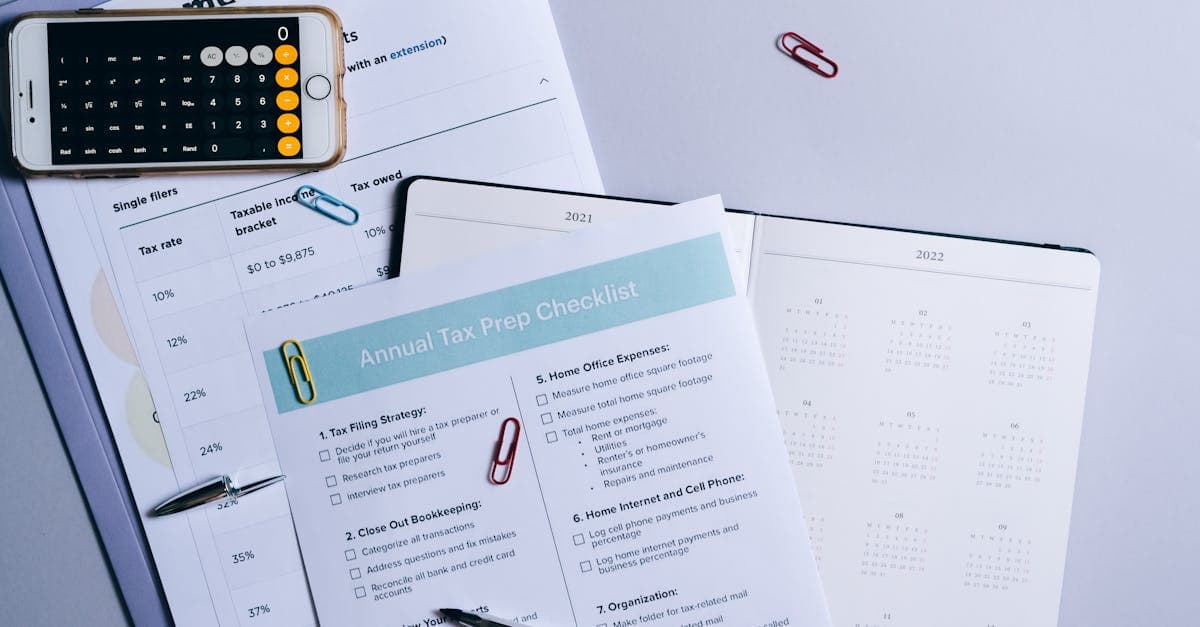
Start this year. Review your renewal documents before they auto-renew. Use the checklist in this guide. Ask the questions. And make it the beginning of a habit that protects your home and your finances for every year that follows.
Continue reading

Auto Insurance Quote Comparison: What Most Drivers Get Wrong
Comparing auto insurance quotes requires more than matching liability limits. Collision, comprehensive, uninsured motorist, and medical payment coverages all affect your protection and must be compared individually.
Policy Checkup for Homeowners: Dwelling Coverage and Beyond
A homeowners policy checkup should cover dwelling limits, personal property coverage, liability protection, additional living expenses, and endorsements for valuables and natural disasters.

When Assignment of Benefits Actually Helps Policyholders
In legitimate situations, an AOB lets a qualified contractor handle the insurer negotiation while you focus on recovery. Knowing when AOB works in your favor helps you make the right call.