How a New Deck or Patio Affects Your Home Insurance Coverage

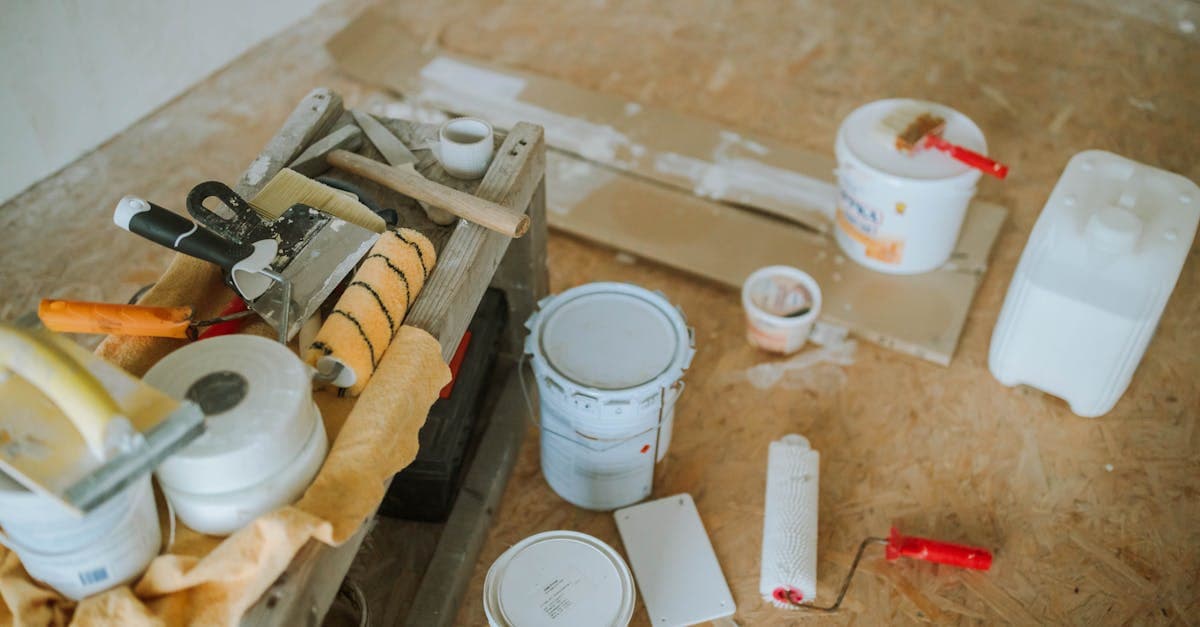
Home improvement spending in the United States exceeds $400 billion annually, with kitchen and bathroom remodels, roofing replacements, and room additions ranking among the most common projects. Yet industry surveys consistently show that fewer than half of homeowners notify their insurer after completing a major renovation.
The average kitchen remodel adds $25,000 to $75,000 in replacement cost. A room addition adds $40,000 to $100,000 or more depending on size and finish level. A finished basement adds $20,000 to $50,000. A swimming pool adds $30,000 to $80,000 in property value plus significant liability exposure. Each of these improvements creates an underinsurance gap if the dwelling coverage limit is not updated.
On the discount side, a new roof can save 5 to 25 percent on premiums depending on the materials used. A monitored security system saves 5 to 20 percent. Impact-resistant windows and doors save 5 to 15 percent in wind-prone areas. Hurricane straps and storm shutters can save 5 to 15 percent in coastal regions.
The data shows that home upgrades are a double-edged insurance issue: they create both coverage needs and savings opportunities. Homeowners who manage both sides of this equation maintain the most cost-effective insurance protection.
Pools, Hot Tubs, and Outdoor Features: Insurance Considerations
Your rights matter here. Outdoor features like pools, hot tubs, and outdoor living spaces are among the most significant insurance-affecting upgrades because they simultaneously increase replacement cost, create liability exposure, and may require specific coverage modifications.
In-ground swimming pools: An in-ground pool adds $30,000 to $80,000 or more in replacement cost and creates substantial liability exposure. Your insurer will require disclosure, adequate fencing, and may mandate higher liability limits. Pool equipment — pumps, heaters, filters — adds to the replacement cost calculation. Whether the pool falls under dwelling coverage or Coverage B depends on its attachment to the home.
Above-ground pools: While less expensive to install, above-ground pools create similar liability exposure to in-ground pools. Many insurers treat them equally for liability purposes. The replacement cost is lower, but the coverage and notification requirements are the same.
Hot tubs and spas: A hot tub adds $5,000 to $15,000 in replacement cost and creates drowning, burn, and electrical hazard liability. Built-in spas may fall under dwelling coverage while freestanding units may be personal property. Proper installation with GFCI protection and safety covers is typically required.
Outdoor kitchens: A built-in outdoor kitchen with grill, countertop, sink, and refrigerator can add $10,000 to $50,000 in replacement cost. Gas connections add fire risk. Whether the kitchen is attached to the home or freestanding determines the coverage category.
Fire pits and fireplaces: Permanent outdoor fire features add to replacement cost and introduce fire spread liability. Gas fire pits are generally viewed more favorably by insurers than wood-burning options due to lower fire spread risk.
Play equipment and sports courts: Basketball courts, tennis courts, and elaborate play structures add to replacement cost under Coverage B. Elevated structures like zip lines and climbing walls may increase liability concerns.
Solar Panels and Energy Efficiency Upgrades: Insurance Specifics
This is where consumers need to pay attention. Energy efficiency upgrades are a growing category of home improvements with unique insurance implications. Solar panels in particular require careful attention to coverage because they significantly increase replacement cost while also changing your home's risk profile.
Solar panel replacement cost: A typical residential solar installation costs $15,000 to $30,000 or more before incentives. These panels are permanently attached to your roof and should be covered under dwelling coverage. Your Coverage A limit must increase to reflect the installation cost.
Solar panel damage coverage: Roof-mounted solar panels are exposed to hail, wind, and falling objects. Your dwelling coverage protects them as part of the roof structure. Verify with your insurer that your policy does not exclude solar equipment or limit coverage for roof-mounted systems.
Premium impact of solar panels: The premium effect varies by insurer. Some offer green energy discounts. Others increase premiums due to the higher replacement cost and the complexity of repairing or replacing panels after damage. Compare insurers if your current carrier penalizes solar installation.
Geothermal systems: Geothermal heating and cooling systems involve significant underground infrastructure. The system is part of the dwelling and increases replacement cost. The complexity of reinstalling geothermal equipment after a loss should be reflected in your coverage.
High-efficiency windows and insulation: Energy-efficient upgrades like premium windows and spray foam insulation increase replacement cost modestly but provide risk reduction through better weatherproofing and temperature stability. The net premium impact is usually neutral or slightly positive.
Green upgrade endorsements: Some insurers offer green upgrade endorsements that allow you to replace damaged conventional systems with energy-efficient alternatives during a claim — even if the original systems were not energy-efficient. This endorsement supports sustainability goals during the rebuilding process.
Kitchen and Bathroom Upgrades: The Most Common Insurance-Affecting Renovations
Your rights matter here. Kitchen and bathroom remodels are the most frequently completed home improvement projects in the United States, and they are among the most impactful for insurance purposes. Understanding their specific effects helps you manage coverage through these common renovations.
Custom cabinetry: Custom-built cabinets cost three to ten times more than stock cabinets. When custom cabinetry replaces builder-grade cabinets, the replacement cost of the kitchen jumps significantly. Standard replacement cost estimators may not fully capture custom cabinet values.
Premium countertops: Granite, quartz, marble, and specialty surfaces cost $50 to $200 or more per square foot installed, compared to $10 to $30 for laminate. A kitchen with 40 square feet of premium countertop adds $2,000 to $8,000 in replacement cost over laminate.
High-end appliances: Professional-grade ranges, built-in refrigerators, wine coolers, and premium dishwashers can cost two to five times more than standard appliances. Built-in appliances are part of the dwelling structure and affect your Coverage A calculation.
Tile and stone work: Premium tile in kitchens and bathrooms — marble, porcelain, natural stone — costs more to install and replace than standard options. Heated tile floors add both the flooring cost and the heating system cost to replacement calculations.
Fixture upgrades: Designer faucets, premium light fixtures, and specialty hardware may seem like small items, but they collectively add thousands to replacement cost. A bathroom with $3,000 in premium fixtures versus $500 in builder-grade fixtures has a measurably higher replacement cost.
When to notify your agent: Report any kitchen or bathroom renovation that exceeds $5,000 in total cost. Provide your agent with the scope of work and approximate cost so they can adjust your dwelling coverage limit appropriately.
When to Notify Your Insurance Agent About Home Upgrades
This is where consumers need to pay attention. Not every upgrade requires immediate notification, but knowing which ones do prevents coverage gaps and ensures timely discount application. Use these guidelines to determine when to contact your agent.
Notify immediately for these upgrades: Room additions, finished basements, swimming pools, hot tubs, kitchen remodels over $10,000, bathroom remodels over $5,000, new roofs, solar panel installations, and any change that adds square footage or introduces new liability exposure. These upgrades have immediate insurance implications.
Notify before starting these projects: Major structural changes, second-story additions, and commercial-use conversions should be discussed with your agent before construction begins. Your current policy may need a construction period endorsement, and the final coverage changes should be planned in advance.
Notify at your next renewal for these upgrades: Minor finish upgrades, appliance replacements, small fixture changes, and cosmetic improvements can typically wait until your next renewal for coverage adjustment. However, if several minor upgrades accumulate to a significant amount, earlier notification is prudent.
Notify to claim discounts for these upgrades: New roofs, security systems, electrical updates, plumbing updates, impact-resistant windows, storm shutters, and smart home devices should be reported promptly to trigger premium credits. Delaying notification delays your savings.
When in doubt, call your agent: If you are unsure whether an upgrade affects your insurance, a quick call to your agent clarifies the situation. Agents prefer proactive communication over discovering unreported improvements during a claim.
Keep a renovation log: Maintain a simple document that lists every upgrade by date, description, and cost. Share this log with your agent at each annual review to ensure your coverage reflects your home's current state.
Home Upgrades That Increase Your Liability Exposure
This is where consumers need to pay attention. Some home improvements make your property more enjoyable but also introduce risks that increase your liability exposure. Understanding these risks ensures you carry adequate liability coverage. Without it, the outdated medical chart that prescribes coverage for a home that no longer exists — the pre-renovation version that cost far less to rebuild.
Swimming pools: Pools are the most significant liability-increasing upgrade. Drowning risk, slip-and-fall injuries, and diving accidents create substantial exposure. Most insurers require pool disclosure, adequate fencing, and may require increased liability limits or an umbrella policy. Some insurers will not cover pools without specific safety features.
Trampolines: Trampolines cause thousands of injuries annually. Many insurers exclude trampoline injuries entirely through a policy endorsement, while others require safety nets, padding, and restricted access. Installing a trampoline without informing your insurer could leave injury claims uncovered.
Hot tubs and spas: Similar to pools, hot tubs create drowning, burn, and slip-and-fall risks. Cover locks, proper fencing, and temperature controls may be required by your insurer. Liability exposure is lower than pools but still significant.
Tree houses and play structures: Elevated play structures introduce fall risk for children. While most policies cover standard play equipment, elaborate tree houses or multi-story play structures may require additional liability consideration.
Dog runs and kennels: If you install facilities for multiple dogs, your liability exposure increases. Some breeds face coverage restrictions or exclusions, and housing multiple animals intensifies the liability profile.
Fire pits and outdoor fireplaces: Open flames create burn and fire spread risk. Proper installation, clearance from structures, and fuel management are important for both safety and insurance purposes. Permanent fire features add to replacement cost while introducing liability considerations.
The liability solution: For most liability-increasing upgrades, the combination of adequate homeowners liability limits and an umbrella policy provides comprehensive protection at reasonable cost.
Maximizing Insurance Discounts From Home Upgrades
Your rights matter here. Many homeowners leave money on the table by completing risk-reducing upgrades without notifying their insurer. Proactively reporting improvements that qualify for discounts is keeping your home's insurance health record current so every upgrade, system replacement, and improvement is properly diagnosed and covered. Here is how to ensure every eligible upgrade earns its discount.
Document the upgrade: Keep receipts, invoices, and completion certificates for every improvement that may qualify for a discount. Your insurer may require proof of installation, especially for wind mitigation and security system credits.
Request a wind mitigation inspection: In hurricane-prone states, a wind mitigation inspection documents features like hip roofs, reinforced roof-to-wall connections, storm shutters, and impact-resistant openings. The inspection report can unlock significant discounts — sometimes 20 to 40 percent in Florida alone.
Provide security system monitoring certificates: For security system discounts, your insurer typically needs a certificate from the monitoring company confirming professional monitoring is active. Request this certificate and provide it to your agent.
Report roof replacements immediately: Call your agent as soon as your new roof is installed. Provide the contractor's invoice showing the roofing material, installation date, and any impact-resistant ratings. Premium reductions for new roofs are often applied mid-term.
Ask about bundled smart home discounts: If you have installed multiple smart devices — leak detectors, smoke alarms, security cameras, thermostats — ask whether your insurer offers a bundled smart home discount that combines individual device credits.
Review discounts at every renewal: Use your annual renewal as an opportunity to verify that every eligible discount is still applied. Discounts for upgrades completed in prior years should carry forward, but system changes or policy migrations can sometimes drop credits.
Making Home Upgrades and Insurance Work Together
In my experience, the homeowners who avoid claim-time surprises are those who built a simple communication habit with their insurance agent. After every significant project, they make a quick call. After every annual review, their coverage matches their home.
The homeowners who face unpleasant surprises are those who renovated enthusiastically but never updated their insurance. Their improved kitchen is not reflected in Coverage A. Their new pool is not covered by adequate liability. Their security system is not earning the discount it deserves.
Build the habit now. Keep a renovation log. Call your agent after every significant project. Review your declarations page at every renewal. These small actions ensure that your home improvements are protected and your premium reflects your home's actual risk profile.
Your home is an evolving asset. Your insurance should evolve with it.
Continue reading

Auto Insurance Quote Comparison: What Most Drivers Get Wrong
Comparing auto insurance quotes requires more than matching liability limits. Collision, comprehensive, uninsured motorist, and medical payment coverages all affect your protection and must be compared individually.

Policy Checkup for Homeowners: Dwelling Coverage and Beyond
A homeowners policy checkup should cover dwelling limits, personal property coverage, liability protection, additional living expenses, and endorsements for valuables and natural disasters.

When Assignment of Benefits Actually Helps Policyholders
In legitimate situations, an AOB lets a qualified contractor handle the insurer negotiation while you focus on recovery. Knowing when AOB works in your favor helps you make the right call.