Gap Insurance and Negative Equity: Protecting Against Being Upside Down

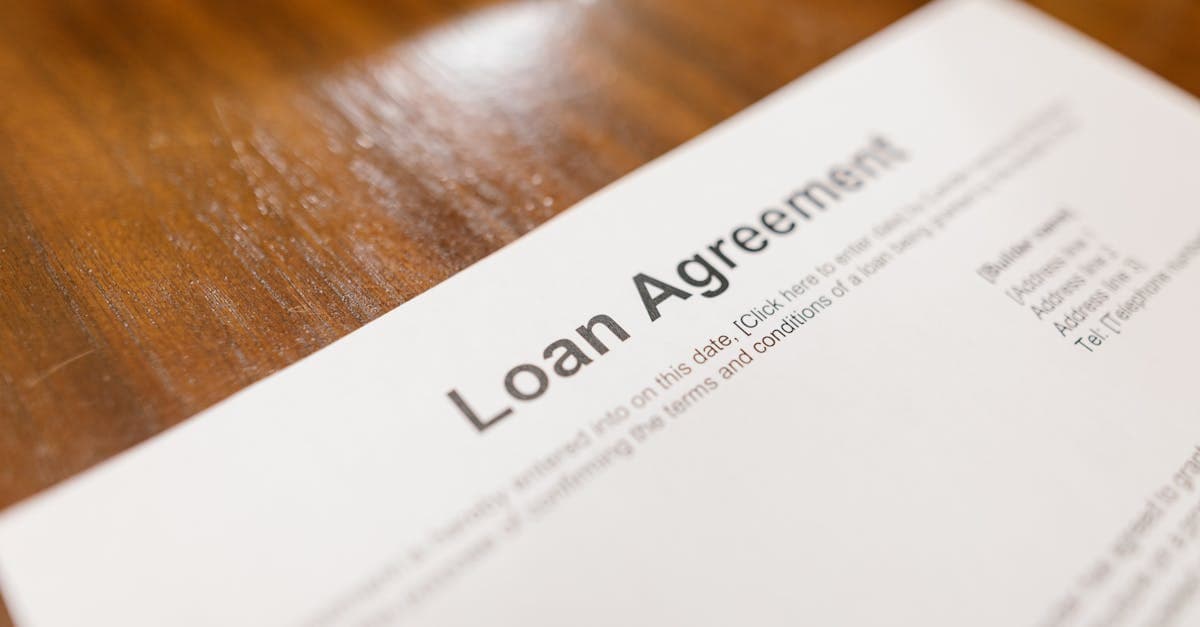
According to Edmunds, the average transaction price for a new vehicle in the United States has risen above forty-eight thousand dollars. The average loan amount exceeds thirty-five thousand with an average term approaching seventy months. These figures create the mathematical conditions where gap insurance becomes essential.
New vehicles depreciate approximately twenty percent in the first year. On a forty-eight-thousand-dollar vehicle, that is roughly ninety-six hundred dollars of value loss. With a sixty- or seventy-month loan and a typical down payment, the loan balance after one year still exceeds the vehicle's market value by several thousand dollars.
The data on total loss frequency adds urgency: approximately six percent of insured vehicles are declared a total loss each year. For a vehicle financed over six years, the cumulative probability of experiencing at least one total loss during the loan term is meaningful.
Combining these data points reveals the gap insurance value proposition: the average gap at the time of a total loss ranges from three thousand to eight thousand dollars depending on the vehicle, down payment, and loan terms. Gap insurance through an auto insurer costs twenty to forty dollars per year. Over a six-year loan term, total gap insurance premiums amount to one hundred twenty to two hundred forty dollars — a fraction of the average gap amount.
Negative Equity and the Gap Insurance Solution
Your rights matter here. Negative equity — also called being upside down or underwater — means you owe more on your vehicle than it is worth. This condition creates the exact financial risk that gap insurance is designed to address.
How negative equity develops: Negative equity results from the combination of rapid depreciation and slow loan amortization. A vehicle that loses twenty percent of its value in year one while the loan balance decreases by only ten to twelve percent creates a gap of eight to ten percent — potentially thousands of dollars.
Contributing factors: Small or zero down payments, long loan terms, high interest rates, and rolled-in negative equity from trade-ins all increase negative equity. Each factor independently widens the gap, and combined they can create gaps exceeding ten thousand dollars.
The trade-in trap: When you trade in a vehicle with negative equity, the remaining balance is often rolled into the new loan. This means you start the new loan already underwater — the new vehicle's value plus the old vehicle's remaining debt. This compounded negative equity creates the largest and longest-lasting gaps.
Gap insurance as the solution: For drivers with negative equity, gap insurance provides affordable protection against the specific risk that negative equity creates — owing money on a totaled vehicle. The coverage cost is minimal relative to the potential exposure, making it an essential financial tool for anyone in negative equity.
Working toward positive equity: While gap insurance provides protection, the goal should be to eliminate negative equity. Making extra payments, avoiding trade-in rollovers, and choosing shorter loan terms all help move from negative to positive equity faster.
Gap Insurance vs New Car Replacement Coverage
This is where consumers need to pay attention. Gap insurance and new car replacement coverage both address total loss situations but solve different problems. Understanding the distinction helps you choose the right protection for your situation.
What gap insurance does: Gap insurance pays the difference between your vehicle's actual cash value and your loan balance. After a total loss, your auto insurance pays the ACV and gap pays the remaining loan amount. You receive nothing extra — the coverages together simply pay off your loan.
What new car replacement does: New car replacement coverage pays enough to replace your totaled vehicle with a brand-new equivalent model — regardless of depreciation. Instead of paying ACV, your insurer pays the cost of a comparable new vehicle. This coverage is typically available only for vehicles less than one or two years old.
Coverage comparison: Gap insurance protects against owing money on a totaled vehicle. New car replacement protects against losing money to depreciation by providing a new vehicle rather than a depreciated settlement. New car replacement is more generous but also more expensive and more restrictive in availability.
Can you have both? Some drivers carry both gap insurance and new car replacement coverage. If the new car replacement payout exceeds your loan balance — which it usually does for newer vehicles — gap insurance is unnecessary while the new car replacement is active.
Which to choose: For drivers of new vehicles who can afford the premium, new car replacement provides superior protection. For drivers of vehicles beyond the new car replacement eligibility window, or for drivers seeking the most affordable protection, gap insurance provides the essential loan-payoff guarantee at a lower cost.
Gap Insurance for Leased Vehicles
This is where consumers need to pay attention. Leased vehicles have a natural gap between the insurance settlement value and the remaining lease obligation, making gap insurance particularly important for lessees. Understanding how leasing creates gap exposure helps you protect yourself.
Why leasing creates a gap: Lease payments are calculated based on the difference between the vehicle's capitalized cost and its projected residual value at lease end, plus interest. The early lease payments do not reduce the lease obligation as quickly as the vehicle depreciates, creating a gap.
Built-in gap coverage: Many lease agreements include gap protection as part of the lease terms. This gap waiver is sometimes called lease gap or contractual gap and is built into the lease cost. Check your lease agreement to determine whether gap coverage is already included before purchasing a separate policy.
When lease gap coverage is missing: Not all leases include gap protection. If your lease does not include it, you need to purchase gap insurance separately through your auto insurer or another provider. Driving without gap coverage on a leased vehicle exposes you to significant financial risk.
Lease termination costs: A total loss on a leased vehicle triggers early lease termination, which can include fees and charges beyond the remaining lease payments. Some gap policies cover these termination costs while others do not. Review your gap policy to understand exactly what is covered.
Lease vs finance gap comparison: Gap exposure on a lease is similar to that on a financed vehicle but the mechanics differ. With a lease, you are covering the difference between insurance value and lease payoff. With a loan, you are covering the difference between insurance value and loan balance. The financial risk is comparable in both cases.
How Down Payment Size Affects Gap Insurance Need
Your rights matter here. Your down payment at the time of purchase is the single biggest factor in determining whether you need gap insurance and how long you need it. Understanding this relationship helps you make informed decisions at both purchase and coverage time.
Zero down payment: With no down payment, you are financing the entire vehicle price. Since the vehicle immediately begins depreciating, you are upside down from day one. Gap exposure is immediate and can be substantial, especially on higher-priced vehicles.
Five to ten percent down: A modest down payment reduces initial gap exposure but typically does not eliminate it. First-year depreciation of twenty percent still exceeds a five to ten percent down payment, leaving a gap during year one and possibly year two.
Ten to fifteen percent down: This range significantly reduces gap exposure. For many vehicles, a fifteen percent down payment approaches the first-year depreciation rate, minimizing the gap to a small amount that resolves within the first year.
Twenty percent or more: A twenty-percent down payment often eliminates gap exposure entirely from the start. Since twenty percent matches or exceeds first-year depreciation for most vehicles, the loan balance remains at or below the vehicle's value throughout the loan term.
Trade-in equity as down payment: Positive equity from a trade-in serves the same function as a cash down payment in reducing gap exposure. Negative equity from a trade-in has the opposite effect — it increases the loan balance beyond the new vehicle's value, creating immediate and significant gap exposure.
Gap Insurance for Leased Vehicles
This is where consumers need to pay attention. Leased vehicles have a natural gap between the insurance settlement value and the remaining lease obligation, making gap insurance particularly important for lessees. Understanding how leasing creates gap exposure helps you protect yourself.
Why leasing creates a gap: Lease payments are calculated based on the difference between the vehicle's capitalized cost and its projected residual value at lease end, plus interest. The early lease payments do not reduce the lease obligation as quickly as the vehicle depreciates, creating a gap.
Built-in gap coverage: Many lease agreements include gap protection as part of the lease terms. This gap waiver is sometimes called lease gap or contractual gap and is built into the lease cost. Check your lease agreement to determine whether gap coverage is already included before purchasing a separate policy.
When lease gap coverage is missing: Not all leases include gap protection. If your lease does not include it, you need to purchase gap insurance separately through your auto insurer or another provider. Driving without gap coverage on a leased vehicle exposes you to significant financial risk.
Lease termination costs: A total loss on a leased vehicle triggers early lease termination, which can include fees and charges beyond the remaining lease payments. Some gap policies cover these termination costs while others do not. Review your gap policy to understand exactly what is covered.
Lease vs finance gap comparison: Gap exposure on a lease is similar to that on a financed vehicle but the mechanics differ. With a lease, you are covering the difference between insurance value and lease payoff. With a loan, you are covering the difference between insurance value and loan balance. The financial risk is comparable in both cases.
How Down Payment Size Affects Gap Insurance Need
Your rights matter here. Your down payment at the time of purchase is the single biggest factor in determining whether you need gap insurance and how long you need it. Understanding this relationship helps you make informed decisions at both purchase and coverage time.
Zero down payment: With no down payment, you are financing the entire vehicle price. Since the vehicle immediately begins depreciating, you are upside down from day one. Gap exposure is immediate and can be substantial, especially on higher-priced vehicles.
Five to ten percent down: A modest down payment reduces initial gap exposure but typically does not eliminate it. First-year depreciation of twenty percent still exceeds a five to ten percent down payment, leaving a gap during year one and possibly year two.
Ten to fifteen percent down: This range significantly reduces gap exposure. For many vehicles, a fifteen percent down payment approaches the first-year depreciation rate, minimizing the gap to a small amount that resolves within the first year.
Twenty percent or more: A twenty-percent down payment often eliminates gap exposure entirely from the start. Since twenty percent matches or exceeds first-year depreciation for most vehicles, the loan balance remains at or below the vehicle's value throughout the loan term.
Trade-in equity as down payment: Positive equity from a trade-in serves the same function as a cash down payment in reducing gap exposure. Negative equity from a trade-in has the opposite effect — it increases the loan balance beyond the new vehicle's value, creating immediate and significant gap exposure.
My Professional Recommendation on Gap Insurance
Every driver with an auto loan should check their gap exposure. If a gap exists, gap insurance through your auto insurer is one of the most cost-effective protections I can recommend.
The drivers who benefit most from my recommendation are first-time buyers with small down payments, anyone with a loan term of sixty months or longer, and anyone who rolled negative equity from a previous trade-in. These conditions create the largest and longest-lasting gaps.
Check your numbers today. If you need gap insurance, add it through your auto insurer. If you already have dealer gap insurance, compare the cost and consider switching. The protection is essential while the gap exists — and the cost should be as low as possible.
Continue reading

Auto Insurance Quote Comparison: What Most Drivers Get Wrong
Comparing auto insurance quotes requires more than matching liability limits. Collision, comprehensive, uninsured motorist, and medical payment coverages all affect your protection and must be compared individually.
Policy Checkup for Homeowners: Dwelling Coverage and Beyond
A homeowners policy checkup should cover dwelling limits, personal property coverage, liability protection, additional living expenses, and endorsements for valuables and natural disasters.

When Assignment of Benefits Actually Helps Policyholders
In legitimate situations, an AOB lets a qualified contractor handle the insurer negotiation while you focus on recovery. Knowing when AOB works in your favor helps you make the right call.