Private Flood Insurance for Moderate-Risk Zone Homeowners

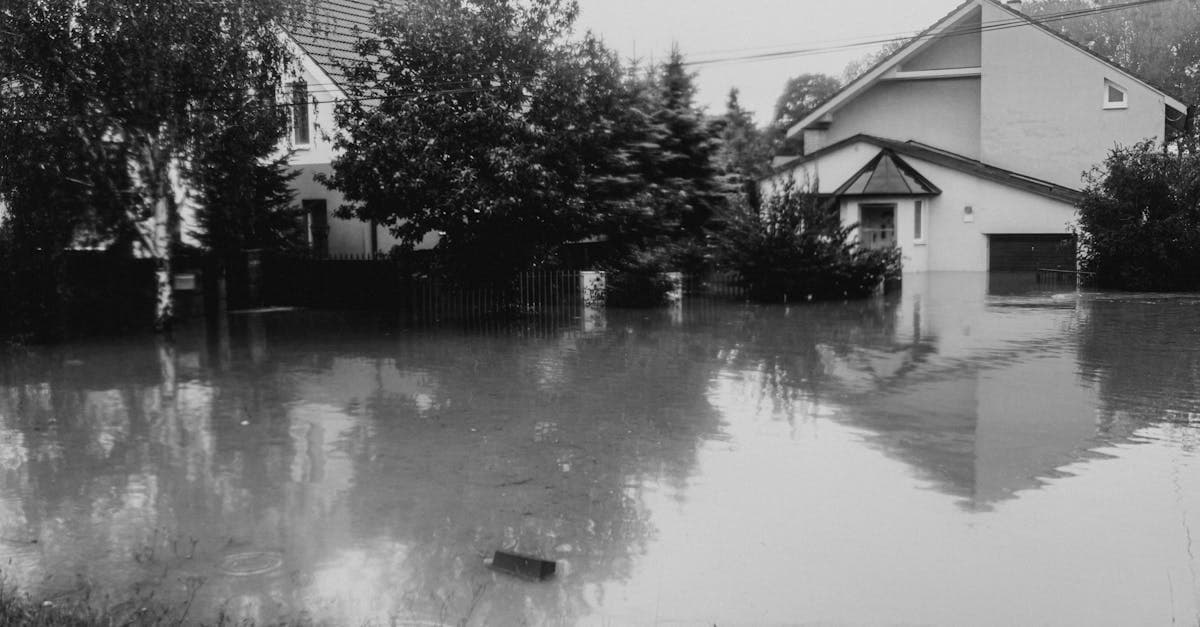
The statistics on flooding outside high-risk zones tell a compelling story that every homeowner should understand. According to FEMA, more than 25 percent of all NFIP flood insurance claims come from properties in moderate and low-risk flood areas. One-third of federal disaster assistance for flooding goes to properties outside high-risk zones.
The average flood claim costs between $25,000 and $50,000. FEMA estimates that just one inch of water in a home causes approximately $25,000 in damage. And the average annual flood insurance premium for homes in moderate and low-risk zones through the NFIP Preferred Risk Policy can be as low as $300 to $600 per year — a fraction of what high-risk zone homeowners pay.
Over a 30-year mortgage period, a home in a moderate-risk zone has a roughly 26 percent chance of experiencing a flood — compared to the 1 percent chance of fire that most homeowners insure against without question. The probability of flooding over the life of a mortgage is meaningful even outside high-risk zones.
These numbers reveal a clear risk-reward calculation. A few hundred dollars per year in premiums protects against potential losses measured in tens of thousands. The homes that file flood claims outside high-risk zones do not get a refund because their FEMA map said the risk was low — they get a claim payment because they had the foresight to purchase coverage voluntarily.
Urban Flooding: Why City Homes Face Flood Risk Regardless of Zone
Your rights matter here. Urban flooding is one of the most underrecognized flood risks in the United States. It affects homes in cities and suburbs that may be far from any river, creek, or coastline — and it is not well captured by traditional FEMA flood mapping.
Impervious surface runoff: Cities and suburbs are covered with impervious surfaces — roofs, roads, driveways, sidewalks, and parking lots — that prevent rainwater from soaking into the ground. Instead, water flows rapidly across these surfaces and concentrates in low-lying areas, overwhelming drainage systems.
Storm drain capacity limits: Municipal storm drainage systems are designed for specific rainfall intensities based on historical data. When storms exceed these design standards — which is happening more frequently — the systems cannot handle the volume, and water backs up into streets, yards, and homes.
Aging infrastructure: Many cities have storm drainage systems that are decades old and operating below their original capacity due to sediment buildup, root intrusion, and structural deterioration. Aging infrastructure reduces the system's ability to handle even design-level rainfall events.
Combined sewer systems: Older cities may have combined sewer systems that handle both stormwater and sanitary sewage in the same pipes. During heavy rain, these systems overflow, sending a mixture of stormwater and sewage into streets and basements. This creates both flood damage and health hazards.
Localized ponding: Urban topography creates areas where water naturally collects — low spots in intersections, depressions at the base of slopes, areas behind curbs without adequate drainage. Homes near these collection points face flood risk that FEMA maps do not identify.
The coverage gap: Urban flood damage from surface water is excluded from homeowners insurance just like any other flood damage. Sewer backup coverage on a homeowners policy covers water that backs up through drains but does not cover surface water that enters from outside. Flood insurance fills this critical gap.
Flash Flood Risk: The Most Unpredictable Threat in Any Zone
This is where consumers need to pay attention. Flash floods are the most dangerous and unpredictable flooding events in the United States. They can strike any location, develop with little warning, and cause devastating damage to homes that have never experienced flooding. Understanding flash flood risk is essential for homeowners in every flood zone.
What causes flash floods: Flash floods result from intense rainfall over a short period — often two to six hours — that exceeds the ground's ability to absorb water and the drainage system's capacity to carry it away. The excess water flows rapidly across the surface, collecting volume and speed as it moves downhill.
Speed and power: Flash floods develop quickly and can deliver a wall of water several feet deep moving at dangerous speeds. Just six inches of moving water can knock an adult off their feet, and two feet of moving water can float most vehicles. The energy of flash floodwater is enough to damage foundations, undermine structures, and move heavy objects.
Urban flash flood risk: Urban areas are particularly susceptible to flash flooding because impervious surfaces accelerate runoff and storm drains have finite capacity. When rainfall intensity exceeds drainage capacity, streets become rivers and low-lying homes become targets for concentrated water flow.
Terrain-driven flash floods: Even in non-urban areas, terrain concentrates flash flood water in predictable but often unrecognized patterns. Homes at the base of slopes, in natural drainage swales, or near the mouths of small valleys may be in the path of concentrated runoff during intense rainfall.
Flash floods and FEMA maps: FEMA flood maps are designed primarily around riverine and coastal flooding and may not adequately reflect flash flood risk from intense rainfall events. A home safely above any river's flood elevation can still be inundated by a flash flood from localized rainfall.
The insurance response: Flash flood damage is covered under flood insurance policies. Whether the water comes from a swollen river or from concentrated rainfall runoff, the resulting damage to your home triggers your flood insurance coverage. Without a flood policy, flash flood damage is entirely out of pocket.
NFIP Preferred Risk Policies: Affordable Flood Coverage for Lower-Risk Homes
This is where consumers need to pay attention. The National Flood Insurance Program offers Preferred Risk Policies specifically designed for properties in moderate and low-risk flood zones. These policies provide meaningful flood protection at premium levels that make voluntary purchase a practical financial decision.
Eligibility requirements: Preferred Risk Policies are available for properties in FEMA Zone B, Zone C, Zone X, and Zone A99 — essentially any property not in a high-risk Zone A or Zone V. The property must not have experienced multiple flood claims, and the building must be eligible under NFIP guidelines.
Coverage options and limits: PRP policies offer building coverage up to $250,000 and contents coverage up to $100,000 — the same maximum limits available for any NFIP policy. Homeowners can select coverage amounts up to these limits based on their home's value and contents.
Premium affordability: PRP premiums are significantly lower than standard-risk NFIP premiums because the underlying risk is lower. Annual premiums for building and contents coverage combined often range from $300 to $700 depending on coverage amounts and deductible selections.
Deductible options: PRP policies offer deductible choices that affect premium levels. Higher deductibles reduce annual premiums but increase your out-of-pocket costs when filing a claim. Standard deductible options range from $1,000 to $10,000 for building coverage.
What PRP covers: Like all NFIP policies, Preferred Risk Policies cover direct physical damage to the building structure and contents caused by flooding — defined as a general and temporary condition where normally dry land is partially or completely inundated by water from overflow of inland or tidal waters, unusual and rapid accumulation of surface water runoff, or mudflow.
The value proposition: At a few hundred dollars per year, a PRP provides $250,000 in building protection against a peril that homeowners insurance completely excludes. The premium-to-coverage ratio makes voluntary flood insurance one of the most efficient risk management tools available to homeowners.
Risk Rating 2.0: FEMA's New Approach to Flood Insurance Pricing
Your rights matter here. FEMA's Risk Rating 2.0 methodology represents the most significant change to flood insurance pricing since the NFIP's creation. Understanding this new approach helps homeowners outside high-risk zones anticipate how their premiums may be calculated.
What changed: Under the legacy rating system, flood insurance premiums were based primarily on the property's FEMA flood zone designation and the building's elevation relative to the base flood elevation. Risk Rating 2.0 incorporates a wider range of risk factors to calculate premiums that more accurately reflect individual property risk.
New risk factors considered: Risk Rating 2.0 evaluates flood frequency, flood type (fluvial, pluvial, coastal, storm surge), distance to the nearest water source, property elevation, building characteristics, and the cost to rebuild the structure. These factors produce premiums more closely tied to actual risk.
Impact on low-risk zone pricing: For properties outside high-risk zones, Risk Rating 2.0 may increase or decrease premiums compared to the legacy Preferred Risk Policy rates, depending on the individual property's risk profile. Properties closer to water sources or in areas with higher rainfall may see increases, while properties on higher ground with good drainage may see stable or lower rates.
Premium caps on increases: FEMA has implemented annual premium increase caps to prevent sudden large increases. NFIP premiums can increase by no more than 18 percent per year for most policyholders, allowing gradual adjustment to Risk Rating 2.0 pricing.
More equitable pricing: Risk Rating 2.0 is designed to produce more equitable pricing by charging premiums proportional to actual risk. Under the legacy system, some low-risk properties subsidized high-risk properties, and some high-risk properties paid less than their risk warranted.
The implication for voluntary purchasers: Homeowners outside high-risk zones who purchase flood insurance voluntarily can benefit from Risk Rating 2.0 pricing that reflects their lower risk level. Getting a quote under the new methodology is the best way to understand your current premium level.
NFIP Preferred Risk Policies: Affordable Flood Coverage for Lower-Risk Homes
This is where consumers need to pay attention. The National Flood Insurance Program offers Preferred Risk Policies specifically designed for properties in moderate and low-risk flood zones. These policies provide meaningful flood protection at premium levels that make voluntary purchase a practical financial decision.
Eligibility requirements: Preferred Risk Policies are available for properties in FEMA Zone B, Zone C, Zone X, and Zone A99 — essentially any property not in a high-risk Zone A or Zone V. The property must not have experienced multiple flood claims, and the building must be eligible under NFIP guidelines.
Coverage options and limits: PRP policies offer building coverage up to $250,000 and contents coverage up to $100,000 — the same maximum limits available for any NFIP policy. Homeowners can select coverage amounts up to these limits based on their home's value and contents.
Premium affordability: PRP premiums are significantly lower than standard-risk NFIP premiums because the underlying risk is lower. Annual premiums for building and contents coverage combined often range from $300 to $700 depending on coverage amounts and deductible selections.
Deductible options: PRP policies offer deductible choices that affect premium levels. Higher deductibles reduce annual premiums but increase your out-of-pocket costs when filing a claim. Standard deductible options range from $1,000 to $10,000 for building coverage.
What PRP covers: Like all NFIP policies, Preferred Risk Policies cover direct physical damage to the building structure and contents caused by flooding — defined as a general and temporary condition where normally dry land is partially or completely inundated by water from overflow of inland or tidal waters, unusual and rapid accumulation of surface water runoff, or mudflow.
The value proposition: At a few hundred dollars per year, a PRP provides $250,000 in building protection against a peril that homeowners insurance completely excludes. The premium-to-coverage ratio makes voluntary flood insurance one of the most efficient risk management tools available to homeowners.
Risk Rating 2.0: FEMA's New Approach to Flood Insurance Pricing
Your rights matter here. FEMA's Risk Rating 2.0 methodology represents the most significant change to flood insurance pricing since the NFIP's creation. Understanding this new approach helps homeowners outside high-risk zones anticipate how their premiums may be calculated.
What changed: Under the legacy rating system, flood insurance premiums were based primarily on the property's FEMA flood zone designation and the building's elevation relative to the base flood elevation. Risk Rating 2.0 incorporates a wider range of risk factors to calculate premiums that more accurately reflect individual property risk.
New risk factors considered: Risk Rating 2.0 evaluates flood frequency, flood type (fluvial, pluvial, coastal, storm surge), distance to the nearest water source, property elevation, building characteristics, and the cost to rebuild the structure. These factors produce premiums more closely tied to actual risk.
Impact on low-risk zone pricing: For properties outside high-risk zones, Risk Rating 2.0 may increase or decrease premiums compared to the legacy Preferred Risk Policy rates, depending on the individual property's risk profile. Properties closer to water sources or in areas with higher rainfall may see increases, while properties on higher ground with good drainage may see stable or lower rates.
Premium caps on increases: FEMA has implemented annual premium increase caps to prevent sudden large increases. NFIP premiums can increase by no more than 18 percent per year for most policyholders, allowing gradual adjustment to Risk Rating 2.0 pricing.
More equitable pricing: Risk Rating 2.0 is designed to produce more equitable pricing by charging premiums proportional to actual risk. Under the legacy system, some low-risk properties subsidized high-risk properties, and some high-risk properties paid less than their risk warranted.
The implication for voluntary purchasers: Homeowners outside high-risk zones who purchase flood insurance voluntarily can benefit from Risk Rating 2.0 pricing that reflects their lower risk level. Getting a quote under the new methodology is the best way to understand your current premium level.
Making the Right Decision for Your Family
In my experience, the families who handle flood events best are those who had coverage in place before the water arrived. They file a claim, work through the process, and rebuild. The families without coverage face months or years of financial strain, deferred repairs, and the stress of paying for damage they never anticipated.
The most common regret I hear from uninsured flood victims outside high-risk zones is simple: I did not think it could happen here. They believed their zone designation meant safety. They trusted that their homeowners insurance would cover water damage. They assumed federal assistance would fill the gap.
Every one of those assumptions was wrong, and the financial consequences were real — tens of thousands of dollars that came from savings, credit cards, and home equity loans.
A few hundred dollars per year buys you the certainty that a flood event will not create a financial crisis for your family. Whether or not you ultimately file a claim, you maintain protection against a risk that is more real than most low-risk zone homeowners realize. That protection has value every day you own your home.
Continue reading

Auto Insurance Quote Comparison: What Most Drivers Get Wrong
Comparing auto insurance quotes requires more than matching liability limits. Collision, comprehensive, uninsured motorist, and medical payment coverages all affect your protection and must be compared individually.

Policy Checkup for Homeowners: Dwelling Coverage and Beyond
A homeowners policy checkup should cover dwelling limits, personal property coverage, liability protection, additional living expenses, and endorsements for valuables and natural disasters.

When Assignment of Benefits Actually Helps Policyholders
In legitimate situations, an AOB lets a qualified contractor handle the insurer negotiation while you focus on recovery. Knowing when AOB works in your favor helps you make the right call.