Loss of Use Coverage in Florida: What Happens When You Cannot Live at Home

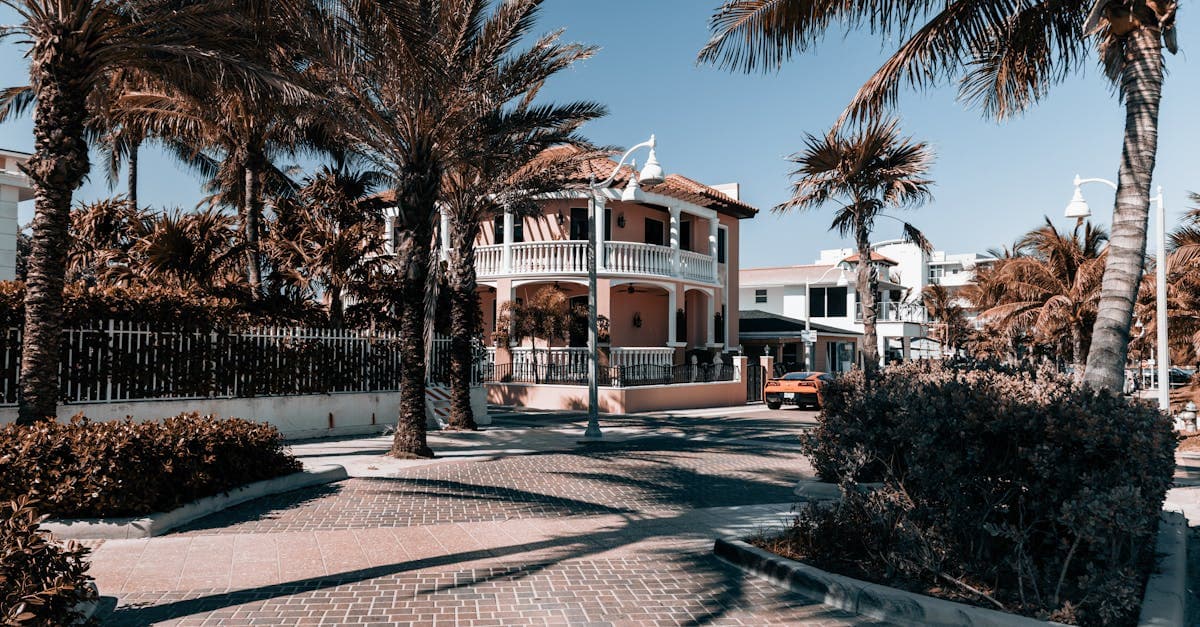
The data on Florida homeowners insurance tells a story of high costs, complex coverage, and frequent claim disputes. Understanding these numbers before purchasing a policy helps you ask the right questions and make informed decisions.
Florida homeowners pay an average annual premium that is among the highest in the nation — roughly two to three times the national average. These elevated costs reflect the state's hurricane exposure, litigation history, and insurer instability. For that premium, Florida homeowners deserve coverage that actually protects them, and getting that protection requires asking detailed questions.
Hurricane deductibles in Florida typically range from 2 to 5 percent of dwelling coverage. On a $400,000 home, a 2 percent hurricane deductible means $8,000 out of pocket. A 5 percent deductible means $20,000. These are not trivial amounts, and many homeowners do not realize their hurricane deductible is a percentage until they file a claim.
Florida has experienced more insurer insolvencies than any other state in recent years. When an insurer fails, policyholders face disruption, potential coverage gaps, and the need to find new coverage in a tight market. Checking your insurer's financial stability rating is not optional — it is essential.
The state processes more homeowners insurance complaints per capita than most other states. Claim disputes over wind versus water damage, coverage denials for roof age, and disagreements over replacement cost calculations are common. The questions you ask before buying your policy are your best defense against becoming part of these statistics.
Sinkhole Coverage Questions for Florida Homeowners
Your rights matter here. Florida has more sinkholes than any other state, and standard homeowners policies provide limited protection against this uniquely Florida threat. Understanding what is and is not covered prevents devastating surprises.
Catastrophic ground cover collapse vs sinkhole coverage: All Florida homeowners policies must cover catastrophic ground cover collapse — which requires the ground to actually open up, the structure to be condemned, and the property to be abandoned. This is a very high threshold that excludes most sinkhole damage.
Optional sinkhole coverage: True sinkhole coverage, which covers damage from sinkhole activity even without catastrophic collapse, is an optional endorsement in Florida. Not all insurers offer it, and premiums for this coverage can be substantial in high-risk areas.
Sinkhole testing and claims: If you file a sinkhole claim, your insurer will conduct geological testing at their expense. If sinkhole activity is confirmed, the policy pays for stabilization and repairs. If denied, you have the right to dispute the findings.
High-risk sinkhole areas: Central Florida, particularly Pasco, Hernando, and Hillsborough counties, has the highest concentration of sinkholes. Homeowners in these areas should prioritize sinkhole coverage questions when purchasing a policy.
Foundation damage concerns: Sinkhole activity can cause foundation cracking, wall separation, and structural settling that may not be immediately obvious. Regular monitoring of your foundation for signs of movement helps identify potential sinkhole issues early.
The essential question to ask: Ask your agent whether your policy includes only catastrophic ground cover collapse or full sinkhole coverage, what it would cost to add sinkhole coverage if not included, and whether your property is in a known sinkhole-prone area.
Mold Coverage Limitations in Florida Homeowners Policies
This is where consumers need to pay attention. Florida's warm and humid climate creates ideal conditions for mold growth, especially after water damage events. Most Florida homeowners policies severely limit mold coverage, creating a gap that can cost thousands to fill out of pocket.
Standard mold limits: Most Florida homeowners policies cap mold coverage at $10,000 or less — sometimes as low as $5,000. Given that professional mold remediation can cost $10,000 to $30,000 or more for significant infestations, these limits are often inadequate.
Mold as a secondary damage: Mold typically develops after water damage. If a covered water event — such as a burst pipe — causes mold growth, the mold remediation is covered but only up to your policy's mold limit. The primary water damage claim is separate from the mold limit.
Post-hurricane mold risk: After a hurricane, homes with roof damage, broken windows, or any opening that allows water entry are at high risk for mold growth, especially if repairs are delayed due to contractor shortages. The mold limit on your policy may be consumed quickly in post-hurricane conditions.
Mold from uncovered events: If mold results from an excluded cause — such as flood damage, gradual leaks, or maintenance neglect — your mold coverage does not apply. The mold coverage responds only when the underlying water damage is itself a covered peril.
Additional mold coverage options: Some Florida insurers offer higher mold limits as an endorsement for additional premium. If your home is particularly susceptible to moisture issues, increasing your mold limit may be a worthwhile investment.
The essential question to ask: Ask your agent what your policy's mold coverage limit is, whether higher limits are available, how mold claims interact with the underlying water damage claim, and what the total mold remediation cost could be for your home size and construction type.
Florida Homeowners Policy Exclusions You Must Understand
Your rights matter here. Every Florida homeowners policy contains exclusions — specific perils, conditions, or types of damage that the policy will not cover. Knowing these exclusions before buying prevents the shock of a denied claim when you need coverage most.
Flood exclusion: The most impactful Florida exclusion. No standard homeowners policy covers damage from rising water, storm surge, or surface water runoff. Separate flood insurance is the only solution.
Earth movement exclusion: Standard Florida policies exclude damage from earth movement including sinkholes beyond catastrophic ground cover collapse, settling, land subsidence, and earthquake. Optional sinkhole coverage addresses the most relevant portion of this exclusion.
Wear and tear and maintenance: Damage resulting from gradual deterioration, maintenance neglect, or wear and tear is excluded. This includes slow roof leaks, deteriorating caulking, and aging pipes that should have been maintained or replaced.
Intentional damage: Any damage you cause intentionally is excluded. This includes fraud-related claims, which Florida has historically experienced at elevated rates.
Government action: Damage caused by government action including seizure, destruction by order of governmental authority, and eminent domain is excluded from coverage.
Nuclear hazard and war: Standard exclusions for nuclear events and acts of war apply to Florida policies as they do nationwide.
The essential question to ask: Ask your agent to walk through every exclusion in your Florida policy, explain which exclusions can be partially addressed through endorsements or separate policies, and identify which exclusions create the most significant uncovered risk for your specific property.
Solar Panel Insurance Questions for Florida Homeowners
This is where consumers need to pay attention. Solar panels are increasingly common on Florida homes, but they create insurance questions about coverage, valuation, and liability that homeowners should address before installation.
Dwelling coverage inclusion: Solar panels permanently attached to your home are typically covered under your dwelling coverage as part of the building structure. However, confirm that your dwelling coverage amount has been increased to account for the added value of the solar system.
Replacement cost for solar equipment: Verify whether your policy covers solar panels at replacement cost or actual cash value. Given the significant investment in solar equipment — often $15,000 to $30,000 or more — replacement cost coverage ensures full recovery after a covered loss.
Wind and hail damage: Florida solar panels are exposed to hurricane-force winds and hail. Confirm that your policy covers wind and hail damage to solar equipment without special exclusions or limitations.
Leased vs owned solar panels: If you lease your solar panels or have a power purchase agreement, the leasing company may maintain their own insurance on the equipment. Clarify coverage responsibility between your homeowners policy and the leasing company's policy.
Roof damage from solar installation: Solar panel mounting can affect your roof warranty and create potential water intrusion points. Understand how your insurer views solar installation in the context of roof coverage and claims.
The essential question to ask: Ask your agent whether your dwelling coverage amount needs to be increased for solar panels, whether the panels are covered at replacement cost, how wind damage to solar equipment is handled, and whether your solar installation affects your roof coverage or warranty.
How Roof Age Affects Your Florida Insurance Coverage
This is where consumers need to pay attention. Your roof is the most important structural component when it comes to Florida homeowners insurance. Its age, condition, and construction type directly affect your coverage options, claim settlements, and premium costs.
Insurer roof age limits: Many Florida insurers will not write new policies for homes with roofs older than 15 or 20 years. Some set the threshold at 10 years for certain roofing materials. If your roof is approaching these limits, your coverage options may narrow significantly.
Replacement cost vs actual cash value for roofs: Florida law requires insurers to offer replacement cost coverage for roofs less than a certain age. However, for older roofs, insurers may settle claims on an actual cash value basis, meaning depreciation is deducted. On a 15-year-old roof, depreciation can reduce your claim payment by 50 percent or more.
Roof inspection requirements: Many Florida insurers require a roof inspection before issuing a policy, especially for homes over 15 years old. The inspection evaluates remaining useful life. A roof with less than five years of expected useful life may result in a coverage denial or restriction.
Roof material and wind resistance: Different roofing materials earn different treatment from Florida insurers. Metal roofs, concrete tile, and impact-resistant shingles may qualify for better coverage terms and lower premiums than standard three-tab asphalt shingles.
The roof replacement dilemma: When your roof is damaged, Florida building codes may require the entire roof to be replaced to current code rather than just repaired. Ordinance or law coverage pays for these code-required upgrades, but standard ordinance or law limits may not be sufficient.
The essential question to ask: Ask your agent how your roof's age and material affect your coverage and premiums, whether claims will be settled at replacement cost or actual cash value, and what happens if your roof needs to be replaced to meet current building codes.
Citizens Property Insurance: What Florida Homeowners Should Know
Your rights matter here. Citizens Property Insurance Corporation is Florida's state-created insurer of last resort, serving homeowners who cannot find coverage in the private market. Understanding how Citizens works helps you make informed decisions if it becomes your only option.
Who qualifies for Citizens: You are eligible for Citizens if you cannot obtain comparable coverage in the private market or if private market quotes exceed Citizens rates by a specified percentage. Citizens is not designed to be a first choice but rather a safety net.
Coverage options: Citizens offers personal residential policies with standard coverages including dwelling, other structures, personal property, loss of use, and liability. Coverage limits and terms are generally comparable to private market policies.
Premium considerations: Citizens rates are regulated and may be lower than private market rates in some areas. However, Citizens imposes surcharges and assessments that can increase your effective cost. These assessments can apply to all Citizens policyholders statewide after a major hurricane.
The assessment risk: If Citizens experiences a deficit after a major storm, it can levy assessments on its policyholders and potentially on all Florida insurance policyholders. This means a catastrophic hurricane season could result in additional charges beyond your regular premium.
Depopulation programs: Florida regularly encourages private insurers to take over Citizens policies through depopulation programs. If your Citizens policy is assumed by a private insurer, you will receive notice and the option to remain with the new insurer or return to Citizens.
The essential question to ask: Ask your agent whether private market options exist for your property, how Citizens premiums compare to available alternatives, what assessment exposure you face as a Citizens policyholder, and whether your policy could be transferred through a depopulation program.
From Experience: The Questions That Save Florida Homeowners the Most Money
After working with Florida homeowners through countless claims, I can tell you which questions save the most money and prevent the most heartache. They are not complicated questions — they just need to be asked before the policy is signed.
The hurricane deductible question saves homeowners from the shock of discovering their $8,000 or $20,000 out-of-pocket responsibility during the most stressful time imaginable. The flood insurance question prevents the devastating realization that their $40,000 storm surge damage is completely uninsured. The insurer stability question protects against the chaos of filing a claim with a company that no longer exists.
The wind mitigation question saves hundreds or thousands annually in premiums — money that compounds over years of homeownership. The roof age question prepares homeowners for coverage limitations before a claim forces the discovery.
These are not obscure or unusual questions. They are the fundamental questions that every Florida homeowner must answer. The families I have worked with who asked these questions before buying handled their claims with confidence and received fair settlements. Those who did not ask faced financial consequences that lingered for years.
Ask the questions now. The answers will protect you for as long as you own your Florida home.
Continue reading

Auto Insurance Quote Comparison: What Most Drivers Get Wrong
Comparing auto insurance quotes requires more than matching liability limits. Collision, comprehensive, uninsured motorist, and medical payment coverages all affect your protection and must be compared individually.
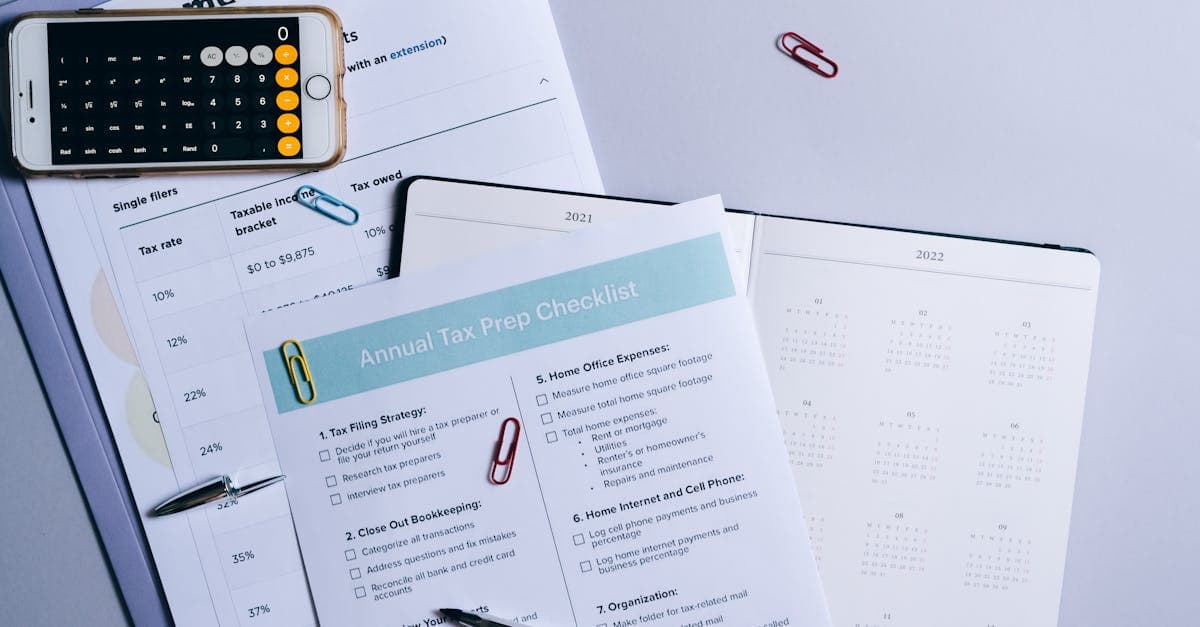
Policy Checkup for Homeowners: Dwelling Coverage and Beyond
A homeowners policy checkup should cover dwelling limits, personal property coverage, liability protection, additional living expenses, and endorsements for valuables and natural disasters.
When Assignment of Benefits Actually Helps Policyholders
In legitimate situations, an AOB lets a qualified contractor handle the insurer negotiation while you focus on recovery. Knowing when AOB works in your favor helps you make the right call.