Replacement Cost and the Insurance Claims Process

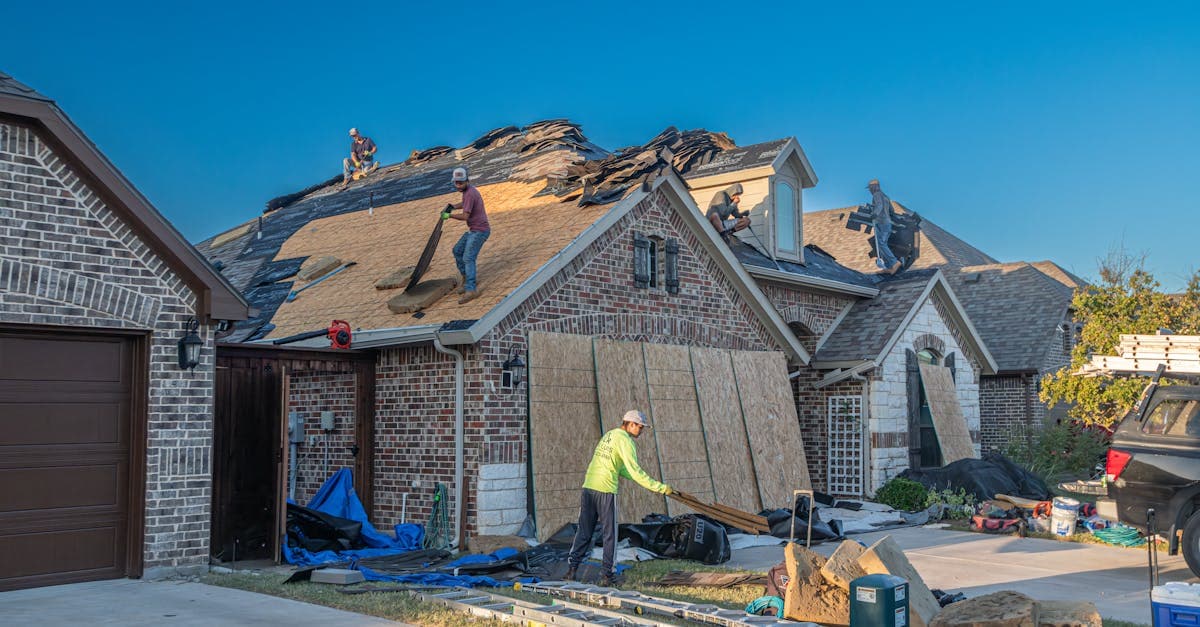
According to Marshall and Swift, the leading provider of building cost data, the average cost to rebuild a single-family home in the United States increased 42 percent between 2019 and 2025. During that same period, many homeowners' dwelling coverage limits increased by only 10 to 15 percent through standard inflation guard adjustments.
This growing gap between actual replacement cost and insured value means that millions of American homeowners are significantly underinsured. A 2024 CoreLogic study found that 65 percent of homes are insured for less than their full replacement cost, with the average underinsurance gap at 27 percent. On a home with a $400,000 replacement cost, that gap represents $108,000 the homeowner would need to pay out of pocket after a total loss.
The root of this problem is a fundamental misunderstanding of what replacement cost means and how it changes over time. Replacement cost is not a static number. It fluctuates with construction material prices, labor rates, building code requirements, and geographic demand. A replacement cost estimate from three years ago may be dangerously outdated.
The data tells a clear story: homeowners who understand replacement cost and actively manage their coverage limits are far better protected than those who set a number once and forget it. Regular replacement cost reviews, appropriate endorsements, and accurate home inventories are the tools that close the underinsurance gap. This guide explains each one in detail, with the data to support every recommendation.
How Depreciation Works in Insurance
This is where consumers need to pay attention. Depreciation is the aging process that reduces the assessed value of what you own. In insurance, it represents the reduction in value of property due to age, wear, and obsolescence. Understanding depreciation is essential because it determines the difference between replacement cost and actual cash value.
How insurers calculate depreciation: Insurance adjusters use depreciation schedules that assign a useful life to each type of property. A roof might have a 20-year useful life. A sofa might have a 10-year life. An appliance might have a 12-year life. The depreciation percentage is calculated as the item's age divided by its useful life.
Example calculation: A roof that cost $15,000 to install and has a 20-year useful life depreciates at 5 percent per year. After 8 years, depreciation is 40 percent, or $6,000. The ACV is $15,000 minus $6,000, or $9,000. Under replacement cost coverage, you receive the full $15,000 (after completing the repair).
Depreciation in replacement cost claims: Even with replacement cost coverage, depreciation plays a role. Most RC policies use a two-payment process: the insurer initially pays the ACV amount and withholds the depreciation. The withheld amount — called recoverable depreciation — is paid after you complete the replacement or repair.
Items that depreciate quickly: Electronics depreciate rapidly — a three-year-old laptop might have an ACV of only 30 to 40 percent of replacement cost. Clothing depreciates at 15 to 25 percent per year. Soft furnishings like mattresses and upholstered furniture depreciate at 10 to 15 percent per year.
Items that depreciate slowly: Jewelry, art, and collectibles may not depreciate at all — some appreciate. Structural elements like foundations and framing depreciate slowly over 50 or more years. High-quality hardwood flooring depreciates more slowly than carpet.
Why this matters for coverage decisions: The faster your property depreciates, the larger the gap between RC and ACV, and the more valuable replacement cost coverage becomes. Households with newer furnishings have a smaller gap. Households with older contents benefit enormously from RC coverage.
How Replacement Cost Works During the Claims Process
Your rights matter here. Filing a claim under a replacement cost policy involves specific steps and requirements that differ from actual cash value claims. Knowing the process in advance prevents surprises and maximizes your recovery.
Step 1: Report the loss. Contact your insurer immediately after the loss. Provide basic information about the damage and secure the property to prevent further damage.
Step 2: Documentation. Document the damage thoroughly with photos, videos, and written descriptions. For personal property, your home inventory becomes essential — it establishes what you owned and its pre-loss condition.
Step 3: Adjuster inspection. The insurer sends an adjuster to inspect the damage and estimate the cost of repair or replacement. The adjuster uses pricing databases for materials and labor to develop a scope-of-work and cost estimate.
Step 4: Initial payment (ACV). The insurer calculates the replacement cost, deducts depreciation and your deductible, and issues the initial payment. This ACV amount allows you to begin repairs.
Step 5: Complete repairs. You hire contractors and complete the repair or replacement work. Keep all receipts, invoices, and contracts as proof of the costs incurred.
Step 6: Submit proof of completion. After repairs are complete, submit documentation showing the actual costs to your insurer.
Step 7: Recoverable depreciation payment. The insurer reviews your documentation and pays the recoverable depreciation — the difference between the ACV already paid and the actual replacement cost, up to your policy limit.
Key considerations: You are not required to use the insurer's preferred contractor — you can choose your own. If your contractor's estimate exceeds the insurer's estimate, you can negotiate or invoke the appraisal process. Keep all documentation organized because the insurer will require proof that you actually incurred the replacement costs.
Replacement Cost After Renovations
Do not let anyone tell you otherwise. Home renovations increase your dwelling's replacement cost. Failing to update your coverage limit after a renovation can leave you underinsured — sometimes significantly.
Why renovations change replacement cost: A kitchen renovation that replaces builder-grade materials with custom cabinets, granite countertops, and premium appliances increases the replacement cost of that portion of your home. A bathroom addition increases total square footage. A finished basement adds livable space that must be covered.
Common renovations and their impact: A kitchen remodel can add $30,000 to $80,000 to replacement cost. A bathroom remodel adds $15,000 to $40,000. A finished basement adds $20,000 to $50,000. A room addition adds the per-square-foot construction cost times the new square footage plus integration costs.
When to notify your insurer: Notify your insurer before starting any renovation that will cost more than $5,000 or that changes the home's square footage, number of rooms, or major systems. Some policies require notification; others simply require that the coverage limit reflects the current replacement cost at the time of a claim.
What happens if you do not update: If you complete a $60,000 kitchen renovation and do not increase your dwelling coverage, your replacement cost estimate is now $60,000 below your actual replacement cost. This shortfall reduces your claim payout for any loss and may trigger a coinsurance penalty.
The coverage update process: Contact your agent with details of the renovation: scope, cost, materials, and any new square footage. The insurer will update your replacement cost estimate and adjust your dwelling coverage limit and premium accordingly.
Renovation records: Keep records of all renovations, including contractor invoices, permits, blueprints, and before-and-after photos. These records support both your coverage update and any future claim involving the renovated areas.
Timing: Update your coverage when the renovation is complete, not when it begins. Coverage should reflect the current state of the property.
How Supply Chain Disruptions Affect Replacement Cost
This is where consumers need to pay attention. Global supply chain disruptions have dramatically affected replacement costs, driving up material prices, extending project timelines, and creating uncertainty in cost estimation.
Recent supply chain impacts: The COVID-19 pandemic, international trade disruptions, and natural disasters have all contributed to supply chain instability in the construction industry. Lumber prices experienced a 300 percent spike in 2021 before moderating but remaining elevated. Electrical components, HVAC equipment, windows, and specialty materials have faced extended lead times of weeks or months.
How supply chain affects your claim: If you file a replacement cost claim during a period of supply chain disruption, the actual cost to rebuild may significantly exceed the pre-disruption estimate. Materials that are backordered may need to be sourced from more expensive suppliers. Extended timelines increase labor costs and temporary housing expenses.
Insurer response: Most insurers calculate replacement cost based on prices at the time of loss, not at the time the estimate was originally set. This means your claim should reflect current material and labor costs, even if they have increased since your last policy renewal.
Extended replacement cost helps: The extended replacement cost endorsement provides the most practical protection against supply chain-driven cost increases. The 25 to 50 percent buffer above your stated limit accommodates significant price spikes.
Timeline extensions: Supply chain delays can extend rebuilding timelines well beyond normal expectations. Ensure your additional living expense coverage has a sufficient time limit and dollar amount to cover extended displacement.
Proactive measures: During your annual coverage review, check whether your replacement cost estimate reflects current market conditions. If material costs in your area have spiked, request a limit increase rather than waiting for the inflation guard to catch up gradually.
Replacement Cost in Total Loss Scenarios
Your rights matter here. A total loss — where your home is completely destroyed or damaged beyond repair — tests your replacement cost coverage to its fullest. Understanding how the process works in this extreme scenario prepares you for the most challenging insurance situation.
Declaring a total loss: The insurer's adjuster determines whether the home is a total loss based on the cost to repair versus the dwelling coverage limit. If repairs would cost more than the coverage limit (or in some cases, more than a specified percentage like 50 to 75 percent), the home may be declared a total loss.
The total loss payout: Under replacement cost coverage, the insurer pays the dwelling coverage limit minus the deductible. If you have extended replacement cost at 150 percent, the insurer pays up to 150 percent of the limit if rebuilding costs exceed the stated limit.
You must actually rebuild: Most replacement cost policies require you to rebuild or replace the home to receive the full replacement cost benefit. If you choose not to rebuild, the insurer pays only the ACV of the destroyed home — which could be significantly less than the coverage limit.
Rebuilding at a different location: Some policies allow you to rebuild at a different location within the same area, though the replacement cost payment is typically limited to what it would have cost to rebuild at the original site.
Additional living expenses: During rebuilding, your loss of use or additional living expense coverage pays for temporary housing, meals, and other necessary expenses above your normal costs. For a total loss, this coverage may need to last 12 to 24 months.
The emotional and practical reality: A total loss is overwhelming. Having adequate replacement cost coverage, proper documentation, and an understanding of the process reduces the financial burden and allows you to focus on recovery. Working with a public adjuster or attorney for total loss claims is a reasonable consideration given the stakes.
Replacement Cost vs Market Value: A Critical Distinction
Do not let anyone tell you otherwise. Many homeowners confuse their home's replacement cost with its market value. These are fundamentally different numbers, and using the wrong one to set your coverage limit leads to either underinsurance or overpaying for coverage.
Market value is what a buyer would pay for your home in the current real estate market. It includes the land, the location, the neighborhood, school districts, and market conditions. A home in a desirable neighborhood with excellent schools might sell for $600,000, even though the structure itself would cost only $300,000 to rebuild.
Replacement cost is the cost to rebuild the structure from scratch at current construction prices. It includes materials, labor, and contractor costs but excludes land value. The same home with a $600,000 market value might have a replacement cost of $300,000 — or in some cases, the replacement cost could exceed market value.
When replacement cost exceeds market value: In areas where land values are low but construction costs are average or high — rural areas, declining markets, or regions with expensive building codes — replacement cost can actually exceed market value. A home that sells for $200,000 might cost $280,000 to rebuild because of the high cost of materials and labor relative to the depressed real estate market.
When market value exceeds replacement cost: In high-demand real estate markets — coastal cities, tech hubs, affluent suburbs — land value constitutes a large portion of market value. A $900,000 home in San Francisco might have a replacement cost of only $400,000 because $500,000 of the market value is land.
Why it matters for insurance: Your dwelling coverage limit should be based on replacement cost, not market value. Insuring at market value when it exceeds replacement cost wastes premium dollars on coverage you cannot use. Insuring at market value when it is below replacement cost leaves you dangerously underinsured.
How to determine the right number: Work with your insurer or an independent appraiser to calculate your actual replacement cost. Do not rely on your home's purchase price, tax assessment, or Zillow estimate as proxies for replacement cost.
Making Replacement Cost Personal
In my experience, the policyholders who fare best after a loss are the ones who understood their replacement cost coverage before they needed it. They knew their numbers, they had their documentation, and they were prepared for the claims process.
I have seen the alternative too many times: families standing in front of what used to be their home, discovering that their coverage limit was set ten years ago and never updated, that their personal property was covered at actual cash value, and that the contractor's rebuilding estimate exceeds their coverage by $150,000.
The knowledge in this guide prevents that outcome. Replacement cost is not an abstract insurance concept — it is the financial bridge between your worst day and your recovery. Getting it right requires modest effort: verify your estimate, check your endorsements, maintain your inventory, and review annually.
Start today. Call your agent or log into your insurer's portal. Verify your dwelling coverage limit against current construction costs. Confirm that your personal property has replacement cost coverage. Check for extended replacement cost and ordinance or law endorsements. These steps take less than an hour and the protection they provide is immeasurable.
Continue reading

Auto Insurance Quote Comparison: What Most Drivers Get Wrong
Comparing auto insurance quotes requires more than matching liability limits. Collision, comprehensive, uninsured motorist, and medical payment coverages all affect your protection and must be compared individually.

Policy Checkup for Homeowners: Dwelling Coverage and Beyond
A homeowners policy checkup should cover dwelling limits, personal property coverage, liability protection, additional living expenses, and endorsements for valuables and natural disasters.

When Assignment of Benefits Actually Helps Policyholders
In legitimate situations, an AOB lets a qualified contractor handle the insurer negotiation while you focus on recovery. Knowing when AOB works in your favor helps you make the right call.