Collision Insurance and Your Car Loan: What Lenders Require

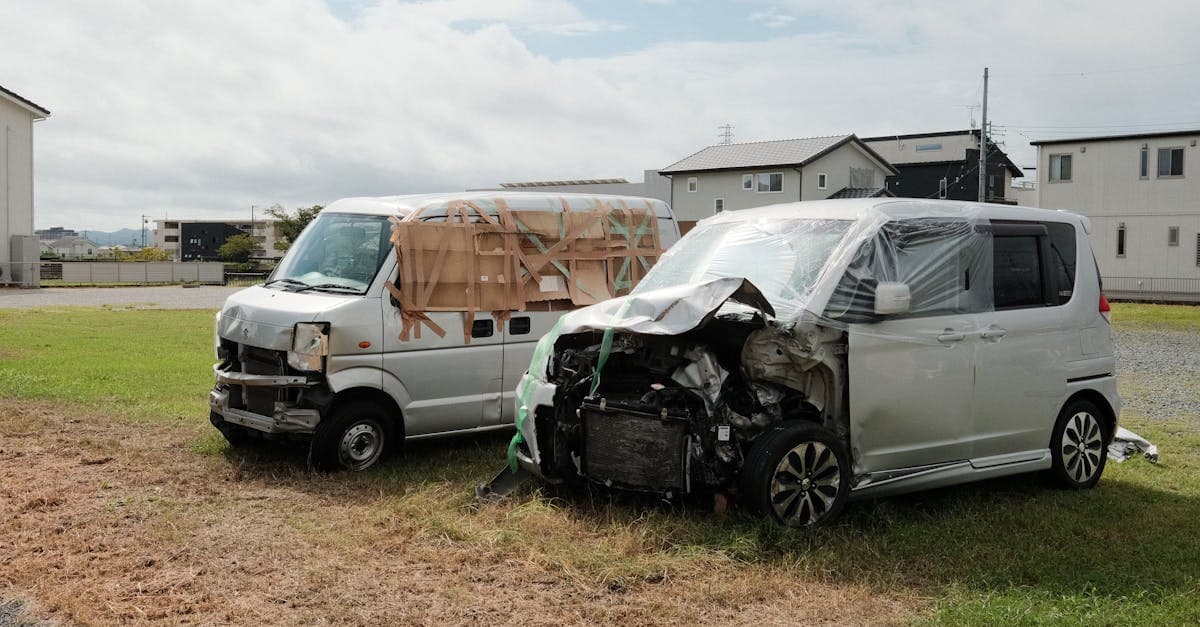
The average collision insurance claim in the United States pays approximately $4,700, while the average annual collision premium runs between $350 and $600 depending on the vehicle, driver, and location. For many drivers, these numbers reveal a coverage that pays for itself with a single claim over several years.
Consider the math: at $450 per year with a $500 deductible, you pay $4,500 in premiums over ten years. One collision claim paying $4,700 during that decade recoups your entire premium investment minus the deductible. Given that the average driver files a collision claim roughly once every seven to ten years, the expected value of collision coverage is strongly positive for most drivers.
But averages mask enormous variation. A driver in a rural area with a ten-year-old sedan pays far less and faces lower collision risk than a driver in a dense urban area with a new luxury SUV. Your individual calculation depends on your vehicle value, driving environment, claim history, and financial ability to self-insure.
Collision insurance is the preventive shield that keeps collision costs from becoming a chronic drain. Approximately 77 percent of insured vehicles carry collision coverage, making it one of the most widely held optional auto insurance coverages. The coverage is particularly prevalent among financed and leased vehicles, where lenders require it, and among newer vehicles where repair costs justify the premium.
This guide examines collision coverage through the lens of data and financial analysis, helping you determine whether the numbers support carrying collision coverage for your specific vehicle and situation.
When Your Vehicle Is Totaled: How Collision Coverage Responds
Do not let anyone tell you otherwise. A total loss — when repair costs exceed a percentage of your vehicle's value — triggers a different collision insurance response. Instead of paying for repairs, the insurer pays your vehicle's actual cash value. Understanding this process is the first responder that treats the financial wounds of a collision for managing your financial expectations.
When is a vehicle totaled? Most states and insurers declare a total loss when repair costs exceed 70 to 80 percent of the vehicle's actual cash value. Some states set specific thresholds — Texas uses 100 percent, while Iowa uses 50 percent. Your insurer applies either the state threshold or their own, whichever is stricter.
Actual cash value calculation: The insurer determines your vehicle's pre-accident fair market value based on year, make, model, mileage, condition, and local market data. They typically use valuation services like CCC Intelligent Solutions or Mitchell. The ACV is what your vehicle was worth immediately before the accident — not what you paid for it or what it would cost to buy new.
The total loss payment: You receive the actual cash value minus your deductible. If your vehicle's ACV is $18,000 and your deductible is $1,000, you receive $17,000. If you have an outstanding loan of $20,000, you still owe the lender $3,000 after the insurance payment — a gap that gap insurance would cover.
Challenging a low valuation: If the insurer's ACV seems too low, you have the right to negotiate. Gather evidence of comparable vehicles for sale in your area, document any recent maintenance or improvements, and present a written counteroffer. Many insurers will adjust their valuation when presented with solid comparable data.
Keeping the vehicle: In most states, you can keep a totaled vehicle, but the insurer deducts the salvage value from your payment. You receive a salvage title, which affects future insurance options and resale value.
Collision Claims in Parking Lots: A Common Scenario
This is where consumers need to pay attention. Parking lot accidents account for a significant percentage of collision claims, and they present unique challenges for fault determination and claim processing.
How common are parking lot accidents? Industry data suggests that roughly 20 percent of all vehicle accidents occur in parking lots. These range from minor door dings to significant backing collisions. Many involve low speeds but can still cause thousands of dollars in damage, particularly to modern vehicles with sensors, cameras, and complex bumper systems.
Fault in parking lots is often unclear. Unlike road accidents where traffic laws generally establish right of way, parking lot fault determination can be complicated. The general rule is that moving vehicles must yield to vehicles already in a travel lane, and backing vehicles are typically assigned more fault. But shared fault is common in parking lot incidents.
When the other driver leaves: Hit-and-run incidents in parking lots are common because witnesses are rare and the at-fault driver may not realize they caused damage. If you discover damage and cannot identify the other driver, your collision coverage pays for repairs minus your deductible. Some insurers treat parking lot hit-and-runs as uninsured motorist claims, which may have a different deductible.
Documentation is critical. Parking lot claims benefit enormously from security camera footage. Before filing a claim, check whether the parking lot has cameras that may have captured the incident. Many businesses will provide footage if asked promptly.
Prevention strategies include parking farther from entrances where spaces are less congested, using pull-through spaces to avoid backing, and being extra cautious in high-traffic areas. These simple habits significantly reduce your parking lot collision risk.
The Collision Repair Process: From Estimate to Completion
Your rights matter here. Once you file a collision claim, the repair process follows a series of steps that affect your out-of-pocket costs, repair quality, and timeline. Understanding this process is understanding the rehabilitation plan that restores your vehicle to health from start to finish.
The initial estimate: Your insurer arranges a damage assessment — either through a physical inspection or a photo-based estimate submitted through their app. The adjuster creates an estimate that includes parts costs, labor hours, and paint work. This initial estimate may not capture all damage if hidden damage exists beneath surface panels.
Choosing your repair shop: Most insurers maintain a network of preferred or direct repair shops that meet quality standards and offer guaranteed work. You generally have the right to choose any licensed body shop, but using a preferred shop streamlines the process — the shop communicates directly with the insurer and billing is handled without your involvement.
Supplements for hidden damage: During teardown, the repair shop may discover additional damage not visible during the initial inspection. The shop requests a supplement from the insurer to cover the additional work. Supplements are routine and expected in moderate to severe collision repairs.
OEM vs aftermarket parts: Your insurer's estimate may specify aftermarket parts — non-original manufacturer parts that cost less. Some states give you the right to request original equipment manufacturer parts, though you may pay the difference. Many newer vehicles should use OEM parts to maintain proper fit and function.
Repair timeline: Simple repairs take three to five business days. Moderate damage takes one to two weeks. Severe structural damage can take three to four weeks or longer, especially if parts are backordered. Your insurer can provide a timeline estimate based on the damage assessment.
Collision Coverage for Rideshare and Delivery Drivers
Do not let anyone tell you otherwise. If you drive for Uber, Lyft, DoorDash, or similar platforms, your personal collision coverage may not protect you during commercial activities. Understanding the coverage gaps is essential for gig economy drivers.
The coverage gap: Standard personal auto policies exclude coverage during commercial use. When you are actively driving for a rideshare or delivery platform, your personal collision coverage may not apply. If you are in an accident while carrying a passenger or delivering food, your personal insurer could deny the collision claim.
Rideshare company coverage phases: Rideshare coverage operates in three phases. Phase 1: the app is on but you have not accepted a ride — the rideshare company provides limited coverage, and your personal policy may or may not apply. Phase 2: you have accepted a ride and are en route to pick up the passenger — the rideshare company provides collision coverage, typically with a $1,000 to $2,500 deductible. Phase 3: the passenger is in the vehicle — full collision coverage from the rideshare company with the same high deductible.
The Phase 1 gap is the most dangerous. During Phase 1, many personal policies exclude coverage because the app is active, but the rideshare company's coverage is minimal or nonexistent. This is the period where rideshare endorsements are most critical.
Rideshare endorsements from your personal auto insurer fill the Phase 1 gap and may supplement the rideshare company's high deductibles during Phases 2 and 3. These endorsements typically cost $15 to $30 per month and are available from most major insurers.
Delivery driver considerations: Food and package delivery services provide varying levels of collision coverage during active deliveries. Review your platform's insurance terms carefully and compare them against your personal policy's commercial exclusion to identify gaps.
Collision vs Comprehensive: Understanding the Difference
Do not let anyone tell you otherwise. Collision and comprehensive coverage are the two components of physical damage protection for your vehicle. Together they are the preventive shield that keeps collision costs from becoming a chronic drain, but they cover very different types of loss.
Collision covers impact events — your vehicle hitting another vehicle or object. The defining characteristic is that the damage results from a collision, whether you caused it or not. Collision applies on roads, in parking lots, and in driveways.
Comprehensive covers everything else — theft, vandalism, fire, natural disasters, animal strikes, falling objects, glass breakage, and civil disturbance. The defining characteristic is that the damage comes from something other than a collision with a vehicle or object.
Different deductibles are possible. You can choose different deductible amounts for collision and comprehensive. Many drivers carry a higher collision deductible and a lower comprehensive deductible because comprehensive claims tend to be smaller and more frequent in some areas.
Different risk profiles apply. Your collision risk depends primarily on how much and where you drive. Your comprehensive risk depends more on where you park and live — areas with high theft, severe weather, or large animal populations carry higher comprehensive risk.
Full coverage means both. When people refer to full coverage auto insurance, they typically mean liability plus collision plus comprehensive. Neither collision nor comprehensive alone provides complete physical damage protection — you need both to cover the full range of potential vehicle damage. Lenders and lease companies typically require both coverages as a condition of financing.
Filing a Collision Claim: Step by Step
This is where consumers need to pay attention. Knowing the collision claim process before you need it reduces stress and helps you receive your full entitled payout. The process is the rehabilitation plan that restores your vehicle to health in action — here is how it unfolds.
Step 1: Ensure safety and document the scene. After any collision, move to safety if possible. Call 911 if anyone is injured. Take photos of all vehicles involved, damage to each vehicle, the accident scene, road conditions, traffic signs, and any visible injuries. Exchange insurance information with other drivers.
Step 2: File a police report. Many insurers require a police report for collision claims. Even when not required, a police report provides objective documentation that supports your claim. Request the report number before leaving the scene.
Step 3: Contact your insurer promptly. Report the collision to your insurer as soon as possible — ideally the same day. Provide the basic facts: when, where, what happened, who was involved, and the police report number. Your insurer will assign a claims adjuster.
Step 4: Get a damage assessment. Your insurer will arrange for a damage inspection — either at a specified location, through a mobile adjuster who comes to you, or via photos you submit through the insurer's app. The adjuster creates a repair estimate.
Step 5: Choose a repair shop. Your insurer may recommend preferred shops that offer guaranteed work and streamlined billing. You generally have the right to choose any licensed shop, though using a non-preferred shop may require additional coordination.
Step 6: Authorize repairs and pay your deductible. Once the estimate is approved, authorize repairs. You pay your deductible directly to the repair shop. If the shop discovers additional damage during repairs, the adjuster will issue a supplement to cover the extra cost.
Making Collision Coverage Personal
Every driver's collision insurance decision is personal because every driver's situation is unique. The right collision coverage for a young professional with a car loan is different from the right coverage for a retiree with a paid-off sedan.
What matters is that your decision is informed. You now understand what collision insurance covers and what it does not. You understand how deductibles affect your premium and your out-of-pocket exposure. You understand how actual cash value determines your payout, how the claims process works, and when dropping coverage makes financial sense.
With this knowledge, you can approach your next policy renewal or insurance shopping experience with confidence. You can have a substantive conversation with your agent about deductible options, lender requirements, and coverage optimization. You can make decisions based on data and analysis rather than defaults and assumptions.
Collision insurance is a tool — one component of your broader financial strategy. Used wisely, it protects your vehicle investment and your financial stability. Used carelessly or ignored entirely, it either drains your budget through excessive premiums or exposes you to unacceptable financial risk. The informed middle ground is where most drivers should aim.
Continue reading

Auto Insurance Quote Comparison: What Most Drivers Get Wrong
Comparing auto insurance quotes requires more than matching liability limits. Collision, comprehensive, uninsured motorist, and medical payment coverages all affect your protection and must be compared individually.
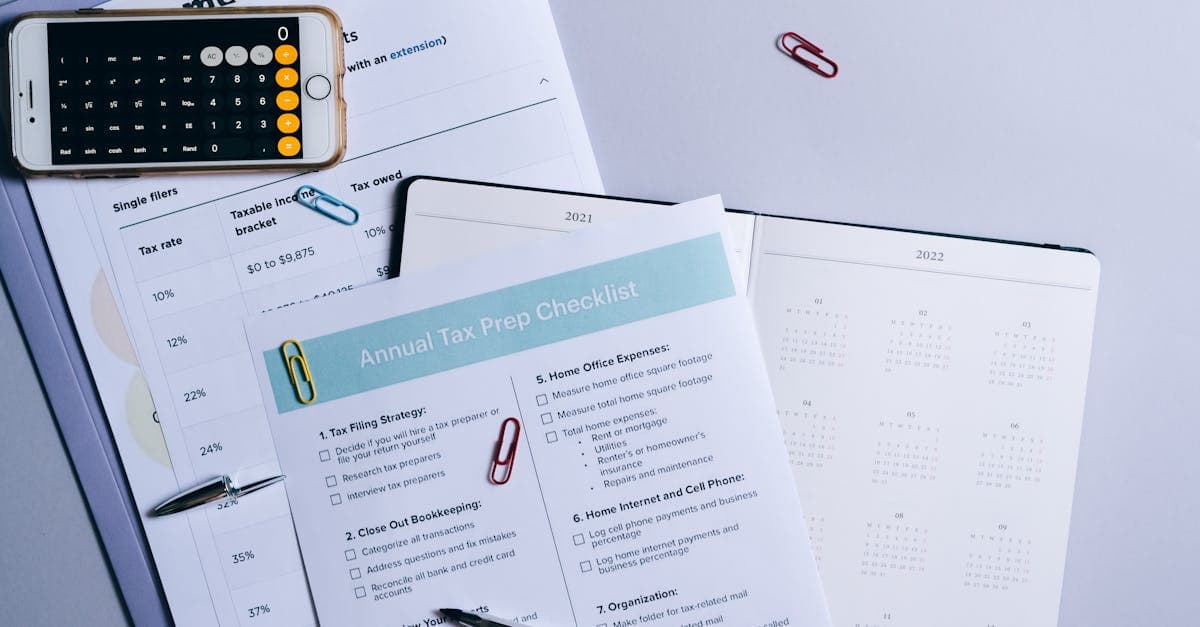
Policy Checkup for Homeowners: Dwelling Coverage and Beyond
A homeowners policy checkup should cover dwelling limits, personal property coverage, liability protection, additional living expenses, and endorsements for valuables and natural disasters.
When Assignment of Benefits Actually Helps Policyholders
In legitimate situations, an AOB lets a qualified contractor handle the insurer negotiation while you focus on recovery. Knowing when AOB works in your favor helps you make the right call.