Roof Leak Claim Denied? 5 Steps to Reverse the Decision

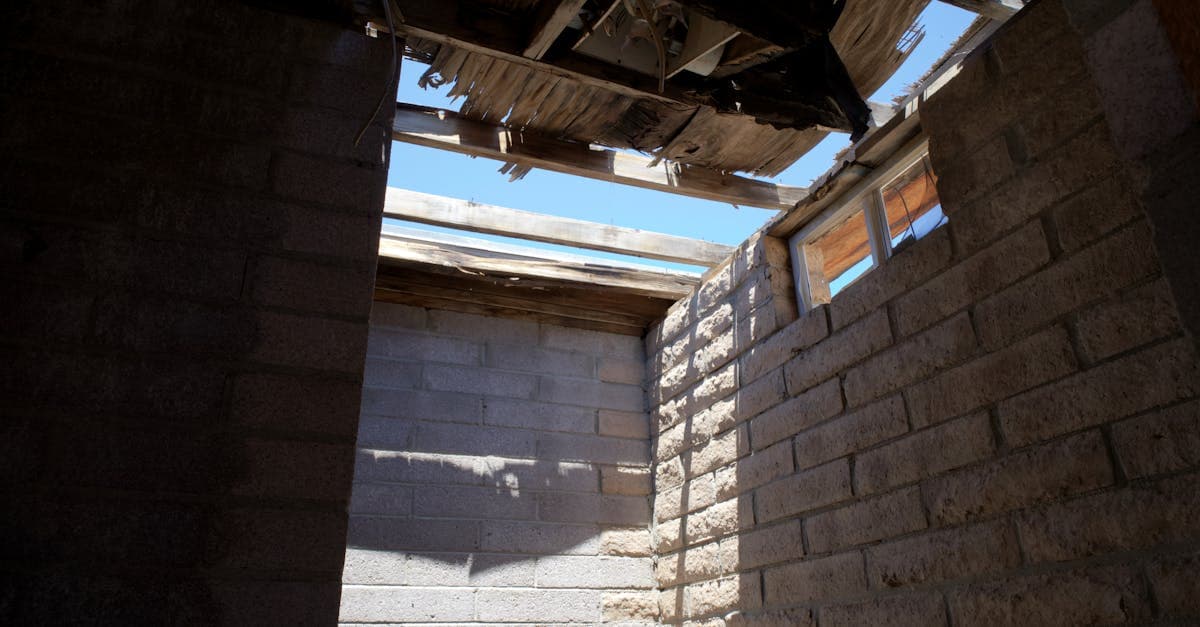
According to the Insurance Information Institute, wind and hail damage accounts for the largest share of homeowners insurance claims, with the average roof-related claim exceeding $11,000. Roof damage generates more claim disputes than any other coverage category, with denial rates for roof leak claims significantly exceeding the industry average across all claim types. The data reveals a system where billions of dollars in roof damage is filed annually, but a substantial portion of claims are reduced, disputed, or denied.
The numbers break down further by roof age. Roofs less than ten years old receive replacement cost coverage from most insurers, resulting in average payouts that cover ninety percent or more of actual repair costs. Roofs between ten and fifteen years old see average payouts drop to sixty to seventy-five percent of repair costs as depreciation reduces the settlement. Roofs over twenty years old face the steepest reductions, with actual cash value payouts sometimes covering less than thirty percent of replacement costs.
Climate data adds another dimension. The frequency of severe weather events capable of damaging roofs has increased measurably over the past two decades. More storms mean more roof damage, more claims, and more opportunities for the covered-versus-maintenance dispute that defines this coverage category. Insurers in storm-prone states have responded with higher deductibles, stricter inspection requirements, and more aggressive use of the maintenance exclusion.
These statistics are not abstract. They represent real homeowners facing real financial decisions after real roof leaks. Understanding where you fall in these numbers — based on your roof's age, your location, and your policy terms — determines how much of your roof leak repair your insurance will actually cover. This guide translates the data into actionable strategies for maximizing your roof leak claim recovery.
Interior Water Damage From Roof Leaks: What Your Policy Pays
Your rights matter here. When a covered roof leak allows water inside, multiple coverage sections activate. Understanding each helps you document thoroughly and maximize recovery.
Dwelling coverage for structural damage: Water from a roof leak that damages ceilings, walls, flooring, insulation, and drywall is covered under your dwelling section. This includes the cost of tearing out water-damaged materials, professional drying, and rebuilding or replacing all damaged structural elements to pre-loss condition.
Personal property coverage: Belongings damaged by water from a covered roof leak — furniture, electronics, clothing, books, and other items — are covered under your personal property section. Replacement cost pays for new equivalents while actual cash value deducts depreciation from the payout amount.
Mold remediation costs: Mold developing from a covered roof leak is generally covered, but most policies cap mold remediation at $5,000 to $25,000. Prompt water extraction and thorough drying within the first 48 hours dramatically reduce mold risk and strengthen your coverage position.
Loss of use coverage: If interior water damage makes your home uninhabitable — saturated flooring, collapsed ceiling sections, or extensive mold — loss of use coverage pays for temporary housing, restaurant meals, and other additional living expenses until repairs are completed.
Documentation requirements: Photograph all interior damage before cleanup begins. Create a detailed inventory of damaged personal property with descriptions, approximate values, and purchase dates. Keep all receipts for temporary repairs, water extraction services, and replacement purchases.
Mold Growth From Roof Leaks: Insurance Coverage and Limitations
This is where consumers need to pay attention. When a roof leak introduces moisture into walls, ceilings, and attic spaces, mold can begin within 24 to 48 hours. Mold remediation costs thousands, and your coverage has specific limits every homeowner should understand.
When mold is covered: Mold that develops as a direct result of a covered roof leak is generally covered under your homeowners policy. If a storm damages your roof, water enters and saturates interior materials, and mold grows in the affected areas, the mold remediation is part of the covered claim because it traces directly to a covered water event.
Mold coverage caps: Even when mold is covered, most policies impose caps on mold remediation expenses. Common caps range from $5,000 to $25,000, which can be insufficient for extensive contamination that has spread through wall cavities and attic spaces. Reviewing your policy's mold limit and considering an endorsement that raises the cap provides better protection.
When mold is excluded: Mold that develops from a slow, undetected roof leak over months or years is typically excluded because the underlying leak is classified as gradual damage rather than a covered peril. If the insurer determines the leak should have been discovered and addressed sooner, the resulting mold may be denied as preventable.
The timing factor: Prompt action after a covered roof leak dramatically reduces mold risk and strengthens your coverage position. Extracting water, running dehumidifiers, and removing saturated materials within the first 48 hours prevents most mold growth and demonstrates you fulfilled your duty to mitigate further damage.
Professional remediation requirements: Insurance-covered mold remediation typically requires professional remediation companies that follow industry protocols for containment and removal. DIY mold cleanup may not be accepted by your insurer, can spread contamination to unaffected areas, and may not produce the documentation needed to support reimbursement.
How Roof Leak Claims Affect Your Insurance Premium
Your rights matter here. Filing a roof leak claim has lasting consequences beyond the claim itself. Understanding premium impacts, claims history, and insurability helps you decide when to file and when to pay independently.
Premium increases after claims: Most insurers increase premiums after a roof leak claim, with the typical increase ranging from five to twenty-five percent at your next renewal. The exact increase depends on the claim amount, your overall claims history, your insurer's specific surcharge schedule, and your state's regulations regarding post-claim premium adjustments.
The CLUE report impact: Every homeowners insurance claim is recorded in the Comprehensive Loss Underwriting Exchange database for seven years. Future insurers access this record when you apply for new coverage. Multiple claims in a short period make you a higher-risk policyholder, potentially limiting your options and increasing premiums across all carriers.
Break-even analysis: Before filing a roof leak claim, calculate whether the insurance payout minus your deductible exceeds the expected premium increase over the next three to five years. A $3,000 claim with a $1,500 deductible produces only $1,500 in insurance payment. If your premium increases by $300 per year for five years, the net cost of filing exceeds the benefit received.
Non-renewal risk: Multiple roof leak claims within a single policy period can trigger non-renewal — your insurer's decision not to renew your policy at the end of its term. Non-renewal forces you to find new coverage, often at a higher premium from a less competitive carrier, and the claims history follows you.
Strategic filing decisions: Reserve insurance claims for significant damage that substantially exceeds your deductible. Handle minor roof repairs out of pocket to keep your claims history clean. Maintain your roof to prevent claims rather than relying on insurance to cover preventable damage. This strategic approach keeps your premiums stable and your coverage options open.
Filing a Roof Leak Insurance Claim: Step by Step
This is where consumers need to pay attention. Filing correctly from the start improves your settlement chances, and following the right process is giving your roof a thorough coverage examination so every weakness receives the right financial treatment before it spreads. Each step builds a defensible claim that resists payout reductions.
Step one — mitigate further damage: Cover the roof opening with a tarp, place buckets under active leaks, move furniture and belongings away from water, and extract standing water if possible. Photograph everything before and after temporary repairs. Keep all receipts for materials and services — these mitigation costs are typically reimbursable as part of your claim.
Step two — document thoroughly: Photograph exterior roof damage from multiple angles with close-ups of missing shingles, cracked materials, and visible impact marks. Photograph all interior damage including water stains, wet flooring, and damaged personal property. Video walk-throughs of the affected areas provide compelling supporting evidence.
Step three — file promptly: Contact your insurer as soon as practical after discovering the damage. Most policies require prompt reporting, and delayed claims give insurers grounds to question whether the damage was caused by the reported event. Note your claim number, assigned adjuster, and all conversation details and dates.
Step four — prepare for the adjuster: Be present during the adjuster's inspection of your roof and interior damage. Point out all damage areas including those they might miss. Provide your documentation, maintenance records, and any professional inspection reports establishing your roof's condition before the damage occurred.
Step five — review the estimate: Compare the adjuster's estimate line by line with estimates from licensed roofing contractors. Significant discrepancies in materials, labor rates, or scope of work should be challenged with supporting documentation and independent professional assessments.
How Your Roof's Age Affects Insurance Coverage for Leaks
This is where consumers need to pay attention. Your roof's age is one of the most significant factors determining how much your insurer pays for a covered leak. The older the roof, the less you can expect, and some insurers limit or exclude coverage for roofs beyond a certain age.
Replacement cost for newer roofs: Roofs less than ten years old typically receive replacement cost coverage — the full cost of repairing or replacing damaged materials without any depreciation deduction. This is the most favorable coverage position for homeowners filing a roof leak claim.
Depreciation for older roofs: Roofs between ten and twenty years old face actual cash value calculations that deduct depreciation based on remaining useful life. A fifteen-year-old asphalt shingle roof with an expected twenty-five-year lifespan might receive only forty percent of replacement cost, leaving you responsible for the substantial remainder.
Coverage restrictions for aging roofs: Some insurers refuse to write or renew policies on homes with roofs older than twenty or twenty-five years unless the roof passes a professional inspection. Others automatically downgrade roof coverage to actual cash value when the roof reaches a specified age threshold.
The inspection trigger: Insurers may require roof inspections for roofs older than fifteen years when you apply for new coverage or renew. Failing this inspection can result in coverage denial, mandatory replacement requirements, or reduced terms.
Strategic replacement timing: Understanding your insurer's age-based coverage tiers helps you time replacement strategically. Replacing before crossing the depreciation threshold ensures full replacement cost coverage for the new roof and may also reduce your premium.
Your Duty to Mitigate: Temporary Repairs After a Roof Leak
Your rights matter here. Your homeowners policy requires reasonable steps to prevent further damage after discovering a leak. Failing this duty can reduce or void coverage for additional damage that timely response would have prevented.
What the duty requires: After discovering a roof leak, you must take reasonable temporary measures to stop ongoing water entry. This typically means tarping the damaged roof area, placing containers under active leaks, moving furniture and belongings away from water, extracting standing water, and running dehumidifiers to reduce moisture levels that promote mold growth.
What the duty does not require: Your duty to mitigate does not require you to make permanent repairs or place yourself in danger. You are not expected to climb onto a storm-damaged roof during active weather conditions. You are not required to hire contractors for permanent repairs before your insurer inspects the damage. Reasonable temporary measures performed safely are all that is expected.
Reimbursement for temporary repairs: The cost of temporary repairs is typically covered by your homeowners insurance as part of the claim. Emergency tarping, board-up services, water extraction, and temporary containment measures are reimbursable expenses. Keep all receipts and photograph the temporary repairs to support your reimbursement request.
Timing expectations: Insurers expect temporary measures within hours to days of discovering the leak, not weeks. A homeowner who discovers a roof leak on Monday and does nothing until the following week has potentially violated their duty to mitigate, giving the insurer grounds to exclude all additional damage that occurred during the delay.
Professional emergency services: When the damage is too severe or dangerous for you to address personally, calling a professional emergency board-up or water mitigation service fulfills your duty. These services respond quickly, document their work professionally, and produce records that strengthen your claim.
What I Want Every Homeowner to Know About Roof Leak Coverage
After years of working with homeowners on roof leak claims, I have one message that rises above everything else: the time to understand your roof coverage is today, not after the next storm. The homeowners who navigate roof leak claims successfully are the ones who prepared before the leak occurred.
The most common regret I hear from homeowners is that they did not maintain documentation of their roof's condition. A homeowner with a professional inspection report showing a sound roof before the storm has a strong claim. A homeowner with no records is at the mercy of the adjuster's interpretation of whether the damage was caused by the storm or by pre-existing deterioration.
The second most common regret is not understanding the depreciation rules. Homeowners who expected replacement cost coverage on their fifteen-year-old roof are stunned to receive a depreciated payout that covers only a fraction of the repair cost. This surprise is completely preventable by reading your policy's roof coverage provisions before you need them.
Take these steps right now. Read your declarations page and identify your roof coverage type. Have your roof professionally inspected and keep the report. Photograph your roof from multiple angles. Clean your gutters and fix any identified issues. These actions take a few hours and a modest investment but can save you thousands when you eventually need to file a roof leak claim.
Your roof protects everything you own and everyone you love from the weather above. Your insurance is supposed to protect you financially when that roof fails. Make sure both protections are strong, documented, and ready for whatever comes next.
Continue reading

Auto Insurance Quote Comparison: What Most Drivers Get Wrong
Comparing auto insurance quotes requires more than matching liability limits. Collision, comprehensive, uninsured motorist, and medical payment coverages all affect your protection and must be compared individually.

Policy Checkup for Homeowners: Dwelling Coverage and Beyond
A homeowners policy checkup should cover dwelling limits, personal property coverage, liability protection, additional living expenses, and endorsements for valuables and natural disasters.

When Assignment of Benefits Actually Helps Policyholders
In legitimate situations, an AOB lets a qualified contractor handle the insurer negotiation while you focus on recovery. Knowing when AOB works in your favor helps you make the right call.