Umbrella Insurance and Homeowners Liability: How They Work Together

The Insurance Information Institute reports that the average liability claim on a homeowners policy exceeds $30,000, with bodily injury claims averaging significantly more than property damage claims. Dog bite claims alone cost the insurance industry over $1 billion annually, with an average cost per claim exceeding $50,000.
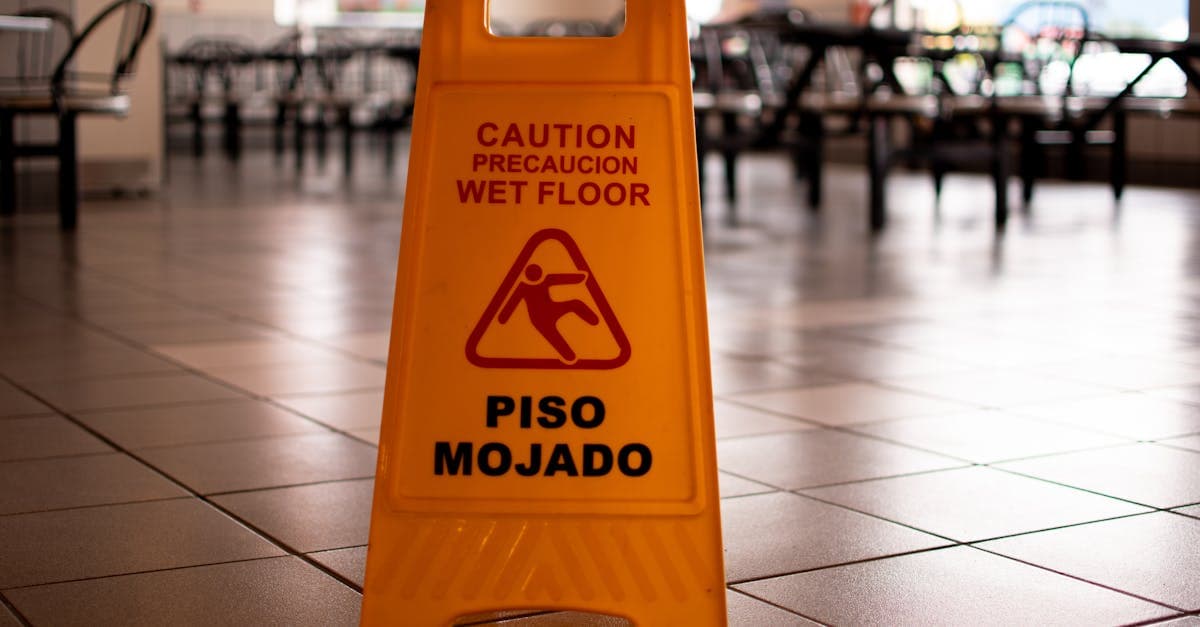
Slip-and-fall injuries are the leading cause of homeowners liability claims, and the National Floor Safety Institute reports that falls account for over 8 million emergency room visits annually. When these falls occur on residential property, the homeowner's personal liability coverage is the primary financial protection.
Legal defense costs add another layer of expense. Even when a liability claim is ultimately dismissed, the cost of defending the lawsuit averages $15,000 to $50,000 depending on the complexity and jurisdiction. Personal liability coverage pays these defense costs in addition to any settlement, and most homeowners policies provide defense coverage without a separate dollar limit.
These statistics reveal why personal liability coverage matters far more than most homeowners realize. The default $100,000 limit on many homeowners policies can be consumed by a single serious injury claim. Yet increasing liability limits to $300,000 or $500,000 typically costs only $20 to $50 more per year — making it one of the most cost-effective coverage enhancements available on any insurance policy.
Personal Liability Coverage Away From Your Property
Your rights matter here. One of the most valuable and least understood features of personal liability coverage is that it extends far beyond your property line. Your homeowners policy protects you against liability claims that arise virtually anywhere — a feature that is diagnosing your liability exposure and prescribing the right amount of coverage.
Off-premises bodily injury: If you accidentally injure someone while shopping, playing recreational sports, visiting a friend's home, or traveling, your homeowners personal liability coverage responds. You knock someone over while cycling in the park. Your golf ball strikes another player. Your child causes injury during a playdate. These off-premises incidents are covered.
Off-premises property damage: If you accidentally damage someone else's property while away from home, personal liability covers the cost. You accidentally break an expensive vase while visiting friends. Your shopping cart damages another car in the parking lot. You knock over a display in a store. These claims are handled by your homeowners liability.
Travel coverage: Personal liability coverage on your homeowners policy generally extends worldwide. If you cause injury or property damage while traveling in another state or country, your homeowners liability coverage applies. This global reach provides a layer of protection that many homeowners do not realize they have.
Limitations to off-premises coverage: While the geographic scope is broad, the types of covered incidents remain the same — accidental bodily injury and property damage. Intentional acts, business activities, and motor vehicle incidents are excluded regardless of where they occur. The same exclusions that apply on your property apply everywhere else.
Why this matters: Many homeowners believe they need separate liability coverage for activities away from home. In most cases, their homeowners personal liability provides this protection already. Understanding this off-premises coverage prevents unnecessary insurance purchases and helps you appreciate the full value of your homeowners policy.
Personal Liability and Your Children's Actions
This is where consumers need to pay attention. Parents are generally liable for their children's actions, and your homeowners personal liability coverage extends to cover the acts of minor children who are residents of your household. Understanding this coverage helps parents navigate the liability situations that children inevitably create.
Parental liability laws: Most states have parental liability statutes that hold parents financially responsible for property damage and sometimes bodily injuries caused by their minor children. These laws vary significantly by state — some cap parental liability at a few thousand dollars while others impose broader responsibility. Your homeowners personal liability coverage responds to these claims up to your policy limit.
On-property incidents: When your child's playmate is injured at your home — falling from a treehouse, getting hurt on playground equipment, or being injured during rough play — your homeowners personal liability coverage handles the claim. These incidents are among the most common liability claims filed by families with children.
Off-property incidents: Your child breaks a neighbor's window. Your teenager accidentally damages someone's car with a skateboard. Your child injures a classmate at school. These off-premises incidents are typically covered by your homeowners personal liability because the coverage follows household members beyond the property line.
Bullying and intentional acts: Intentional acts are excluded from personal liability coverage. If your child deliberately injures another child through bullying or fighting, the intentional act exclusion may apply. However, the line between rough play and intentional harm can be legally gray, and your insurer will evaluate each situation individually.
Age and supervision factors: Courts consider the child's age and the parent's level of supervision when evaluating liability. Inadequate supervision of young children near hazards increases both your legal liability and the likelihood that your personal liability coverage will be triggered. Appropriate supervision is both a parenting responsibility and a liability management strategy.
What Personal Liability Does Not Cover
Your rights matter here. Despite its broad scope, personal liability coverage has important exclusions that every homeowner should understand. Assuming coverage exists when it does not leads to denied claims and personal financial exposure.
Intentional acts: Personal liability coverage does not pay for injuries or damage you cause intentionally. If you deliberately harm someone or purposely destroy their property, the insurer will deny the claim. Insurance covers accidents and negligence, not intentional behavior.
Business activities: Injuries or damages arising from business activities conducted at your home are generally excluded from personal liability coverage. If a client visits your home office and is injured, your homeowners liability may not respond. Home-based business owners need a separate business liability policy or a home business endorsement.
Motor vehicle accidents: Injuries or damage caused by motor vehicles are excluded from homeowners liability and covered by auto insurance instead. This includes cars, motorcycles, and in many cases, motorized recreational vehicles when used off the property.
Workers compensation situations: If you employ household workers — housekeepers, nannies, landscapers — and they are injured on the job, workers compensation laws may apply instead of personal liability coverage. Requirements vary by state, but many states require workers compensation coverage for household employees.
Your own injuries and property: Personal liability covers injuries and damage to others, not to you or your household members. If you fall on your own stairs, that is not a liability claim — your own medical insurance handles your treatment, and your homeowners property coverage handles damage to your home.
Swimming Pools, Trampolines, and Elevated Liability Risk
This is where consumers need to pay attention. Certain property features dramatically increase your personal liability exposure. Swimming pools and trampolines are the two most commonly cited liability-intensive features, and insurers treat them accordingly. Understanding the coverage implications helps you manage both the risk and the cost.
Swimming pool liability: Drowning and near-drowning incidents generate some of the largest liability claims in homeowners insurance. A child who drowns or suffers permanent brain damage from a pool incident can generate a liability claim in the millions of dollars. Your personal liability coverage applies, but standard policy limits may be grossly inadequate for a catastrophic pool injury.
The attractive nuisance doctrine: Pools and trampolines are classified as attractive nuisances under the law — features that attract children who may not understand the dangers. Under this doctrine, you can be liable for injuries to trespassing children who are attracted to these features, even if you did not invite them onto your property. This expanded liability makes adequate coverage essential.
Trampoline coverage restrictions: Many homeowners insurers either exclude trampolines from liability coverage entirely or require specific safety measures as a condition of coverage. Required measures may include a safety net enclosure, ground-level installation, locked access when not in use, and adult supervision requirements. Verify your insurer's trampoline policy before purchasing one.
Insurer requirements: Insurers that cover pools and trampolines often require specific safety features. For pools, this typically includes a four-sided fence with a self-closing, self-latching gate, a pool alarm, and a safety cover. Failure to maintain required safety features can void your liability coverage for pool-related incidents.
Higher limits recommendation: If you have a pool, trampoline, or other high-risk feature, insurance professionals consistently recommend carrying at least $300,000 to $500,000 in personal liability coverage and adding a $1 million umbrella policy. The cost of this additional protection is modest compared to the catastrophic exposure these features create.
Medical Payments to Others: The Small Claims Solution
This is where consumers need to pay attention. In addition to personal liability, your homeowners policy includes a separate coverage called medical payments to others. This coverage handles smaller injury claims quickly and without requiring proof that you were at fault — functioning as a goodwill mechanism that prevents minor injuries from escalating into lawsuits.
How medical payments work: If a guest is injured on your property, medical payments coverage pays their medical expenses up to the coverage limit — typically $1,000 to $5,000 per person — regardless of whether you were negligent. The injured person does not need to prove you were at fault. They simply submit their medical bills, and the coverage pays.
Why this coverage matters: Medical payments coverage resolves small claims before they become big ones. If a guest trips on your walkway and needs $2,000 in medical treatment, paying the bill through medical payments coverage often prevents the injured party from hiring an attorney and filing a full liability claim that could cost far more.
Coverage limits: Medical payments coverage is modest compared to personal liability — typically $1,000 to $5,000 per person. This is intentionally limited because its purpose is to handle minor injuries, not major ones. Serious injuries that generate large medical bills are handled by the personal liability coverage with its much higher limits.
Who is covered: Medical payments coverage applies to people who are not residents of your household. It covers guests, visitors, delivery workers, and other non-residents who are injured on your property. It may also cover people injured away from your property in certain situations involving your activities.
No-fault nature: The key distinction between medical payments and personal liability is the fault requirement. Medical payments pay regardless of fault. Personal liability requires that you are legally responsible for the injury. This no-fault feature makes medical payments faster and simpler to resolve.
When Your Tree Damages a Neighbor's Property
Your rights matter here. Trees that fall on neighboring properties raise complex liability questions that homeowners often find confusing. Understanding when your personal liability coverage applies and when the neighbor's own insurance handles the damage clarifies these situations.
The negligence standard: Personal liability for tree damage depends on whether you were negligent. If a healthy tree falls during a severe storm and damages your neighbor's roof, you are generally not liable because you could not have prevented it. Your neighbor would file a claim on their own homeowners policy. However, if a visibly dead, diseased, or leaning tree that you failed to maintain falls on your neighbor's property, you may be negligent — and your personal liability coverage would respond.
The notice factor: Liability often turns on whether you knew or should have known the tree was dangerous. If your neighbor notified you that a tree appeared dead or dangerous, and you failed to address it, that notice strengthens the case for your negligence. Document any tree maintenance you perform and respond promptly to neighbor concerns about trees near the property line.
Shared trees and property lines: Trees that straddle property lines create additional complexity. Generally, each property owner is responsible for the portion of the tree on their side of the line. If a shared tree falls, liability depends on which property the root system primarily occupies and whether either owner was negligent in maintenance.
What liability covers: If you are found liable for tree damage to a neighbor's property, your personal liability coverage pays for the cost of repairing or replacing the damaged property — the roof, fence, vehicle, or other structures. If the fallen tree also injures someone, personal liability covers the bodily injury claim as well.
Preventive maintenance: Regular tree inspections by a certified arborist, prompt removal of dead or diseased trees, and documentation of maintenance activities reduce both your actual risk and your legal exposure. These records can demonstrate reasonable care if a liability question arises.
Making Personal Liability Coverage Work for You
In my experience, the homeowners who get the most value from personal liability coverage are the ones who understand it before they need it. They know their limit, they know what is covered, and they have taken basic steps to reduce their hazard exposure.
The worst time to learn about personal liability coverage is after someone is injured on your property and their attorney calls demanding compensation. The best time is now — before anything happens — when you can review your coverage, increase your limits, and address property hazards at your own pace.
Take the time to walk your property and identify potential hazards today. Check your declarations page and confirm your liability limit. Ask your agent about the cost of higher limits or an umbrella policy. These simple preparations take less than an hour and can prevent the most financially devastating scenario a homeowner can face.
Your home is your most valuable asset, and your personal liability coverage protects it — along with your savings, your investments, and your future earnings — from a single accident that you could not prevent. Make sure your protection matches your exposure.
Continue reading

Auto Insurance Quote Comparison: What Most Drivers Get Wrong
Comparing auto insurance quotes requires more than matching liability limits. Collision, comprehensive, uninsured motorist, and medical payment coverages all affect your protection and must be compared individually.

Policy Checkup for Homeowners: Dwelling Coverage and Beyond
A homeowners policy checkup should cover dwelling limits, personal property coverage, liability protection, additional living expenses, and endorsements for valuables and natural disasters.

When Assignment of Benefits Actually Helps Policyholders
In legitimate situations, an AOB lets a qualified contractor handle the insurer negotiation while you focus on recovery. Knowing when AOB works in your favor helps you make the right call.