Side Window and Rear Glass: Does Insurance Cover All Vehicle Glass?

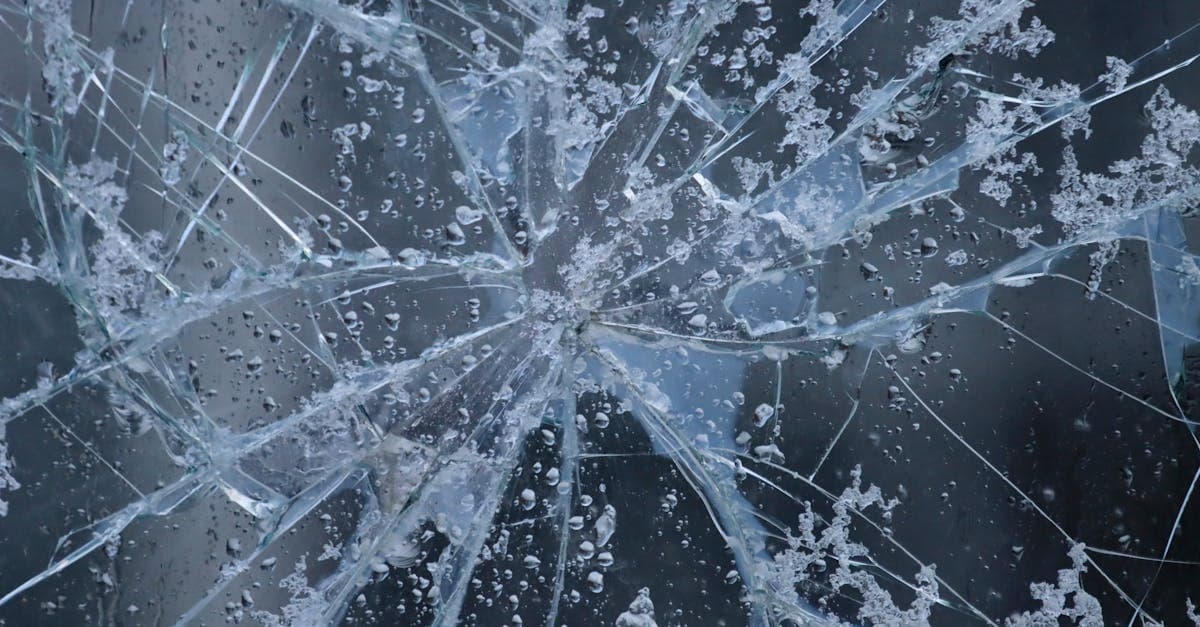
The Auto Glass Safety Council estimates that approximately 13 million windshields are replaced in the United States every year. The average windshield replacement costs between $300 and $700 for standard vehicles, but for vehicles with advanced driver assistance systems, that cost can exceed $1,500 when you factor in mandatory sensor recalibration.
Windshield repair — filling chips and small cracks with resin — is far less expensive, typically $50 to $150 per repair. The Insurance Information Institute reports that glass claims are among the most frequently filed comprehensive claims, yet they are also among the least likely to trigger a rate increase.
These numbers reveal an important opportunity for drivers. Many windshield repairs cost less than common comprehensive deductibles, which means some drivers pay out of pocket when their insurer would have covered the repair at no cost. In the 12 states with zero-deductible glass laws, drivers have even more reason to use their coverage.
The economics of windshield insurance are straightforward: carry comprehensive coverage, understand your state's glass rules, and file claims when the math favors it. This guide provides the data and framework to make those decisions confidently.
Will a Windshield Claim Raise Your Insurance Rates
Your rights matter here. The rate impact of windshield claims is one of the most misunderstood aspects of auto insurance. The good news is that glass claims are among the least likely to increase your premium — but the details matter.
Why glass claims are treated differently. Windshield damage from road debris is a random, uncontrollable event that says nothing about your driving behavior or risk level. Insurers recognize this distinction and weigh glass claims far less heavily than collision or liability claims in their rating models.
Single claim impact. A single windshield claim typically has zero measurable impact on your premium with most insurers. In states with zero-deductible glass laws, insurers are often prohibited from increasing rates based on glass claims. Even in other states, most insurers do not surcharge for a single glass claim.
Multiple claims pattern. While one glass claim is usually rate-neutral, multiple glass claims in a short period can trigger concern. Two or three windshield claims in a single policy year might cause a modest premium increase — not because each claim is significant, but because the frequency pattern suggests higher-than-average exposure to glass damage.
Claim history window. Like other comprehensive claims, glass claims typically remain on your claims history for three to five years. A windshield claim filed three years ago has minimal impact on your current rating. The impact diminishes each year the claim ages.
Strategic filing decisions. For chips that cost $50 to $100 to repair, filing a claim is almost always worthwhile because many insurers waive the deductible for repairs. For cracks requiring replacement, compare the replacement cost to your deductible. If the deductible is $500 and the replacement costs $450, paying cash avoids creating a claim record for zero insurance benefit.
Glass Endorsements and Full Glass Coverage
This is where consumers need to pay attention. For drivers in states without zero-deductible glass laws, a glass endorsement can be one of the most cost-effective additions to your auto policy. Understanding these endorsements helps you decide whether the small premium increase is treating windshield damage early before it becomes a safety-critical condition.
What a glass endorsement does. A full glass or zero-deductible glass endorsement modifies your comprehensive coverage to waive the deductible for all glass claims — windshield, side windows, and rear glass. This means any glass damage covered under comprehensive costs you nothing out of pocket regardless of your standard comprehensive deductible.
Cost of the endorsement. Glass endorsements typically add $20 to $50 per year to your premium, depending on your insurer, vehicle, and location. For a driver with a $500 comprehensive deductible, a single windshield replacement claim makes the endorsement worthwhile immediately — the $30 annual premium saves you $500 in deductible costs.
Who benefits most. Drivers who commute on highways with heavy truck traffic, live in areas with frequent construction, park outdoors in hail-prone regions, or drive on gravel roads regularly face elevated windshield damage risk. For these drivers, the glass endorsement is almost certainly cost-effective over time.
What the endorsement does not cover. Glass endorsements only waive the deductible — they do not expand what is covered. The damage must still result from a covered comprehensive peril. Gradual wear, pitting from age, and damage from intentional acts are not covered regardless of the endorsement.
Comparing endorsement options. Some insurers offer tiered glass endorsements — repair-only deductible waivers versus full repair-and-replacement waivers. The repair-only option costs less and still provides significant value since most insurers already encourage repairs by waiving deductibles informally. The full endorsement provides the most complete protection.
Documenting Windshield Damage for Your Claim
Your rights matter here. Proper documentation of windshield damage supports your claim and ensures you receive fair compensation. While glass claims are typically straightforward, good documentation prevents disputes and speeds up the process.
Photograph the damage immediately. Take clear, well-lit photographs of the windshield damage as soon as you discover it. Include close-up shots of the chip or crack showing its size and shape, as well as wider shots showing the damage location on the windshield. Use a coin or ruler next to the damage for size reference.
Document the cause if possible. If you witnessed the damaging event — a rock impact, hail, falling branch, or vandalism — document the circumstances. Note the date, time, location, and conditions. If the damage appeared overnight or while parked, note when you last saw the windshield undamaged and when you discovered the damage.
Photograph from inside the vehicle. A photo from the driver's seat showing how the damage affects your line of sight can support the urgency of your claim and demonstrate the safety concern. This is particularly useful if the insurer questions whether repair is sufficient or replacement is necessary.
Save all communications. Keep copies of your claim filing, any correspondence with the insurer, repair estimates, and the final repair invoice. If ADAS calibration was performed, request documentation of the calibration process and results.
Pre-existing condition evidence. If you have recent photos of your vehicle showing an undamaged windshield — from a car wash, a road trip, or routine maintenance — these establish that the damage is new and from a covered event rather than pre-existing. Dash cam footage with timestamps can serve this purpose effectively.
How to File a Windshield Insurance Claim
This is where consumers need to pay attention. Filing a windshield claim is one of the simplest processes in auto insurance. Most claims can be initiated and approved within hours, with repair or replacement scheduled within days.
Step one — assess the damage. Determine whether the damage is a repairable chip or a crack requiring replacement. If the chip is smaller than a quarter and not in your direct line of sight, repair is likely possible. If the crack is longer than a few inches or located at the windshield edge, replacement is probably necessary.
Step two — contact your insurer. Call your insurance company's claims line or use their mobile app to file the claim. You will need your policy number, a description of the damage, and how it occurred. Many insurers have dedicated glass claim lines that handle these claims separately from other comprehensive claims, often with faster processing.
Step three — choose a repair facility. Your insurer may recommend preferred glass shops, but in most states you have the right to choose any qualified facility. If your vehicle has ADAS features, prioritize shops with calibration capability. Some insurers will dispatch a mobile repair unit to your location for chip repairs, which is extremely convenient.
Step four — authorize the work. Once the insurer approves the claim and you have selected a shop, authorize the repair or replacement. The glass shop typically bills the insurer directly, and you pay only your deductible — if one applies. For repairs in many states, you pay nothing at all.
Step five — verify the work. After repair or replacement, inspect the work. For replacements, check that the new windshield is properly sealed, that there are no gaps or uneven edges, and that any ADAS features are functioning correctly. Ask for documentation of any calibration performed.
Windshield Repair vs Replacement: What Insurance Covers
This is where consumers need to pay attention. The distinction between windshield repair and replacement is treating windshield damage early before it becomes a safety-critical condition — it affects your deductible, your cost, and even the long-term integrity of your windshield.
When repair is possible. Windshield repair uses injectable resin to fill chips and short cracks, restoring structural integrity and preventing further spreading. Repair is generally possible when the chip is smaller than a quarter, the crack is shorter than six inches, the damage is not in the driver's direct line of sight, and the damage does not extend to the edge of the windshield.
When replacement is necessary. Cracks longer than six inches, damage in the driver's critical viewing area, multiple cracks from a single impact point, and damage that penetrates both layers of laminated glass all require full replacement. Edge cracks that compromise the windshield's seal also require replacement regardless of length.
Insurance preference for repair. Insurers strongly prefer repair over replacement because repair costs $50 to $150 compared to $300 to $1,500 for replacement. To incentivize repair, many insurers waive the deductible entirely for repairs even when the deductible applies to replacement. This creates a clear financial advantage for addressing damage early while repair is still an option.
Repair quality and durability. Modern resin injection repair restores approximately 95 percent of the windshield's original structural strength. The repair is permanent and prevents the damage from spreading. However, the repaired area will still be slightly visible — the cosmetic result is not perfect. For most drivers, this minor visual imperfection is far preferable to the cost and hassle of full replacement.
Acting quickly matters. Temperature changes, vibration from driving, and moisture infiltration can all cause a repairable chip to spread into an unrepairable crack. Filing your claim and getting the repair done within days of the damage gives you the best chance of avoiding a full replacement.
Windshield Damage and Vehicle Safety
Your rights matter here. A damaged windshield is more than a cosmetic issue — it is a genuine safety concern. Understanding the safety implications of windshield damage explains why insurers cover glass claims and why prompt repair matters.
Structural contribution. Your windshield provides up to 60 percent of the cabin's structural strength in a rollover and up to 45 percent in a frontal collision. A cracked or improperly replaced windshield compromises this structural integrity, potentially allowing the roof to collapse in a rollover that the cabin would have otherwise survived.
Airbag deployment support. The passenger-side airbag deploys against the windshield in a frontal collision. The windshield must be properly bonded and structurally sound to support the airbag's deployment force. A cracked windshield or a windshield with a compromised seal may fail during deployment, allowing the airbag to push through the glass instead of protecting the passenger.
Ejection prevention. In serious collisions, the windshield helps prevent occupant ejection. Federal motor vehicle safety standards require windshield retention under impact forces specifically for this reason. A damaged windshield provides less ejection protection than an intact one.
Visibility impairment. Cracks and chips impair visibility in several ways. They scatter incoming light, creating glare from oncoming headlights at night. They distort the view of the road, potentially masking hazards. And they represent the fracture that starts small but spreads until your entire field of vision is impaired — a compromised surface that can shatter or crack further without warning during driving.
Legal requirements. Many states prohibit driving with windshield damage that impairs the driver's view. Failing a state inspection due to windshield damage can prevent vehicle registration renewal. These legal requirements reinforce the safety importance of prompt windshield repair or replacement.
Making Windshield Coverage Work for You
In my experience, the drivers who handle windshield damage best are the ones who know their coverage before the rock hits. They know their deductible, they know their state's glass laws, and they have a preferred glass shop ready.
The worst time to learn about your windshield coverage is while you are staring at a spreading crack on your morning commute. The best time is now — before anything has happened — when you can review your policy, add a glass endorsement if appropriate, and research local glass shops at your own pace.
If you currently have a chip or small crack, stop reading and file a claim today. Every day you wait increases the chance that repairable damage becomes a full replacement need. That one action alone could save you hundreds of dollars.
Your windshield is the most frequently damaged panel on your vehicle. Having the right coverage in place turns damage from a financial stress into a minor scheduling inconvenience.
Continue reading

Auto Insurance Quote Comparison: What Most Drivers Get Wrong
Comparing auto insurance quotes requires more than matching liability limits. Collision, comprehensive, uninsured motorist, and medical payment coverages all affect your protection and must be compared individually.
Policy Checkup for Homeowners: Dwelling Coverage and Beyond
A homeowners policy checkup should cover dwelling limits, personal property coverage, liability protection, additional living expenses, and endorsements for valuables and natural disasters.

When Assignment of Benefits Actually Helps Policyholders
In legitimate situations, an AOB lets a qualified contractor handle the insurer negotiation while you focus on recovery. Knowing when AOB works in your favor helps you make the right call.