How to Use Roadside Assistance: A Step-by-Step Walkthrough

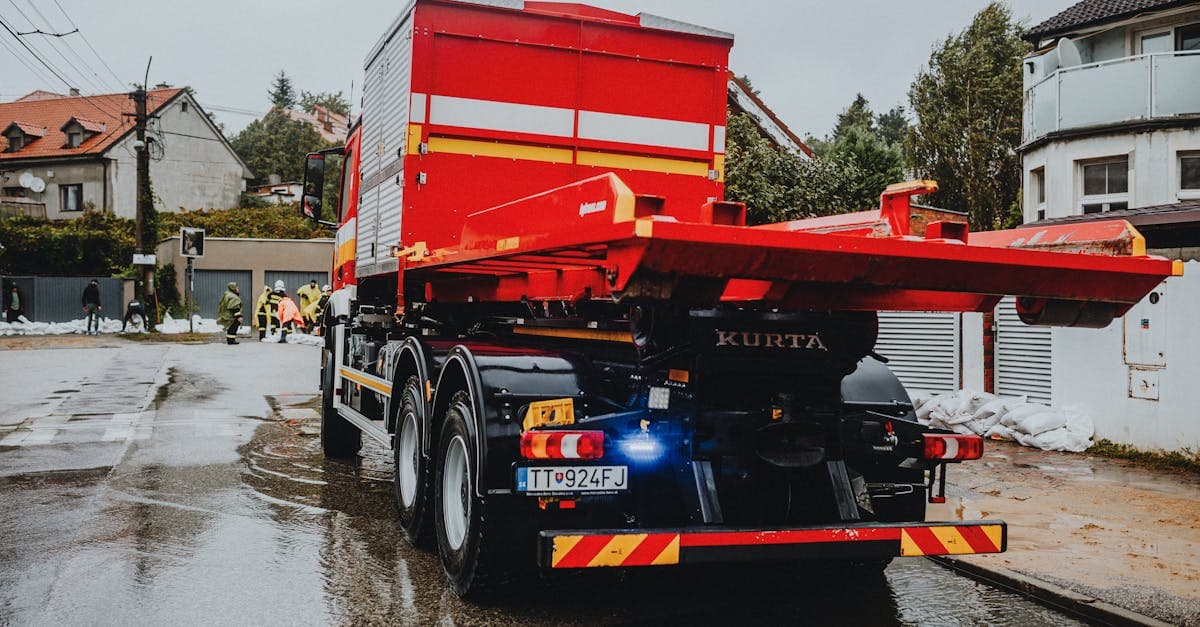
The American Automobile Association reports that its members request roadside assistance approximately thirty-two million times per year. Extrapolated to all drivers, total roadside service incidents likely exceed sixty million annually. The most common requests are battery service at roughly thirty percent of calls, flat tire changes at about twenty percent, towing at twenty-five percent, and lockouts at fifteen percent.
The average cost of a tow without coverage ranges from one hundred to three hundred dollars depending on distance. A mobile battery replacement averages one hundred twenty to two hundred dollars. A locksmith for a car lockout charges seventy-five to one hundred fifty dollars. Even a fuel delivery can cost fifty to one hundred dollars when you factor in the service call fee.
Now compare these costs to the average annual premium for insurance-based roadside assistance: ten to thirty dollars per year. A single tow covers three to thirty years of roadside premiums. A single lockout covers two to fifteen years. The math overwhelmingly favors carrying coverage for any driver who might need even one roadside service call per decade.
The data also reveals that breakdown risk increases with vehicle age. Vehicles over ten years old are roughly three times more likely to need roadside service than vehicles under five years old. Extreme weather — both hot and cold — increases breakdown frequency. And highway driving, while generally more reliable, produces breakdowns that are more expensive and more dangerous to resolve without professional help.
The Cost and Value of Roadside Assistance
Your rights matter here. Understanding the financial value of roadside assistance requires comparing the annual premium to the cost of individual services at retail rates. The comparison consistently demonstrates that roadside assistance is prescribing the right level of roadside care for your driving habits and vehicle health.
Annual premium range: Insurance-based roadside assistance typically costs ten to thirty dollars per year depending on your insurer and coverage level. Some insurers offer basic plans around ten dollars and premium plans with higher limits around twenty-five to thirty dollars.
Retail service costs: A standard tow averages one hundred fifty to three hundred dollars. A locksmith for a car lockout charges seventy-five to one hundred fifty dollars. A mobile battery jump costs fifty to one hundred dollars. Fuel delivery with a service call fee runs fifty to one hundred dollars. Even a basic tire change by a mobile service costs fifty to one hundred dollars.
Break-even analysis: A single tow pays for five to thirty years of roadside premiums. A single lockout pays for three to fifteen years. Any combination of two services in a year provides value that exceeds a decade or more of premiums.
Compared to standalone plans: AAA membership starts around sixty to seventy dollars per year for basic coverage and increases to one hundred fifty or more for premium plans. Insurance-based roadside at ten to thirty dollars per year is significantly cheaper, though AAA may offer additional benefits like travel discounts.
The value of certainty: Beyond the dollar savings, roadside assistance provides the certainty of knowing help is available, the price is covered, and the provider is vetted. This certainty has real value that the raw cost comparison does not fully capture.
Trip Interruption Benefits in Roadside Plans
This is where consumers need to pay attention. Some roadside assistance plans include trip interruption benefits that go beyond basic breakdown services. These benefits provide financial help when a breakdown strands you far from home, covering expenses that basic roadside does not address.
What trip interruption covers: When a covered breakdown occurs a specified distance from home — typically one hundred miles or more — trip interruption benefits may reimburse you for hotel stays, meals, and alternative transportation while your vehicle is being repaired. These benefits typically have daily limits and maximum payouts.
Typical benefit amounts: Trip interruption benefits commonly provide one hundred to two hundred dollars per day for lodging and meals, with a maximum of three to five days per incident. Some plans also cover alternative transportation costs such as rental cars or bus tickets.
When it applies: Trip interruption benefits activate when your vehicle is disabled by a covered mechanical failure far from home and cannot be repaired the same day. The breakdown must be covered under the roadside plan, and the distance-from-home requirement must be met.
Value for travelers: Drivers who frequently take long road trips benefit significantly from trip interruption coverage. A breakdown five hundred miles from home without these benefits means paying for a hotel, meals, and potentially a rental car entirely out of pocket while waiting for repairs.
Where to find trip interruption coverage: Not all roadside plans include trip interruption benefits. Premium-tier plans are more likely to include them. Auto club memberships like AAA Plus and Premier include trip interruption. When comparing roadside options, check specifically for trip interruption if you travel frequently.
Towing Coverage Under Roadside Assistance
This is where consumers need to pay attention. Towing is the most expensive roadside service and the one that provides the greatest financial benefit. Understanding how towing coverage works under your roadside plan is essential because the emergency room for your vehicle when it suffers a sudden mechanical ailment depends on knowing the limits.
Distance limits: Most insurance-based roadside plans cover towing to the nearest qualified repair facility, with a distance limit ranging from fifteen to one hundred miles depending on your plan level. Standard plans typically cover twenty-five to fifty miles, while premium plans may extend to one hundred miles or more.
Cost comparison: A tow without coverage costs roughly three to five dollars per mile plus a base hook-up fee of fifty to one hundred dollars. A thirty-mile tow at retail rates costs roughly one hundred forty to two hundred fifty dollars. Your roadside premium of ten to thirty dollars per year is a fraction of a single tow.
Flatbed vs wheel-lift towing: Modern vehicles, especially those with all-wheel drive, often require flatbed towing. Most roadside plans cover flatbed towing when the vehicle requires it, though some basic plans may limit this service. Verify that your plan covers the towing method your vehicle needs.
Choosing the destination: Standard roadside towing goes to the nearest qualified repair facility. Some plans allow you to choose a preferred mechanic within the covered distance. If your preferred shop is beyond the covered distance, you may need to pay the difference for additional mileage.
After-hours towing: Towing rates increase at night, on weekends, and on holidays. Roadside assistance covers these premium-rate periods at no additional cost to you, making the coverage especially valuable during off-hours breakdowns when retail tow rates are highest.
When Roadside Assistance Is Worth Adding
Your rights matter here. While roadside assistance is valuable for most drivers, certain situations make it especially worth adding to your policy. Recognizing these situations helps you make an informed coverage decision.
Older vehicles: Vehicles over seven years old experience significantly more breakdowns than newer models. Aging batteries, worn belts, deteriorating hoses, and accumulated wear increase the likelihood of needing roadside service. The ten to thirty dollar annual premium is a bargain for drivers of older vehicles.
Long commuters: Drivers who cover more miles face proportionally higher breakdown risk. A daily commuter driving fifteen thousand miles per year has roughly three times the exposure of a driver covering five thousand miles. More miles mean more chances for flat tires, dead batteries, and mechanical failures.
Drivers who lack mechanical skills: If you cannot change a tire, jump a battery, or diagnose basic vehicle problems, roadside assistance is especially valuable. The service provides professional help for situations you cannot handle independently.
Parents of teen drivers: New drivers are more likely to experience lockouts, run out of fuel, and face unfamiliar breakdown situations. Roadside assistance gives parents peace of mind that their teen has professional help available.
Drivers without a support network: If you live alone, do not have nearby family or friends who can help during a breakdown, and cannot rely on coworkers or neighbors, roadside assistance serves as your support network for vehicle emergencies.
Drivers in extreme climates: Extreme heat accelerates battery failure and increases overheating risk. Extreme cold causes battery failures and frozen fuel lines. Drivers in harsh climates face higher breakdown rates and benefit disproportionately from roadside coverage.
Battery Jump Start and Service
This is where consumers need to pay attention. Dead batteries are the single most common reason drivers call roadside assistance, accounting for roughly thirty percent of all service requests. Understanding how battery service works under your plan ensures you get help quickly when your vehicle will not start.
Jump start service: A roadside technician arrives with professional jump-starting equipment and attempts to start your vehicle. Modern jump packs are more reliable than jumper cables from another vehicle and less likely to damage sensitive electronics in newer cars.
When a jump works: If the battery is simply discharged — from leaving lights on, a door ajar, or extreme cold — a jump start typically gets you running immediately. You can then drive to a parts store or mechanic to have the battery tested and replaced if necessary.
When a jump does not work: If the battery is completely dead, has a failed cell, or the starting problem is caused by a bad alternator, starter, or other component, a jump start will not resolve the issue. In these cases, the roadside technician arranges towing to a repair facility.
Battery replacement services: Some premium roadside plans and auto club memberships offer mobile battery replacement — the technician carries common battery sizes and can install a new one on the spot. Standard insurance roadside plans typically do not include this service, limiting help to jump starts only.
Prevention and awareness: Batteries typically last three to five years. If your battery is approaching this age, proactive replacement costs far less in time and inconvenience than a roadside service call. But even with good maintenance, batteries can fail unexpectedly, making roadside coverage a valuable backup.
Roadside Assistance Response Times
Your rights matter here. Knowing what to expect for response times helps you plan during a breakdown and manage your patience while waiting for help. Several factors affect how quickly roadside assistance arrives.
Average response times: In urban and suburban areas, average roadside response times range from thirty to forty-five minutes. In rural areas, response times may extend to sixty to ninety minutes or longer depending on provider availability and distance.
Factors that increase wait times: Severe weather causes more breakdowns simultaneously, straining provider capacity. Holiday weekends and rush hours increase both breakdown frequency and traffic delays for responders. Remote locations require longer travel times for the nearest available provider. Peak demand periods can exhaust available providers temporarily.
Factors that decrease wait times: GPS-enabled dispatch systems route the nearest available provider to your location. Urban areas with dense provider networks typically have shorter response times. Off-peak hours mean less competition for available providers.
Highway vs local road response: Highway breakdowns may receive faster response due to safety priority and dedicated highway assistance programs in some states. Local road breakdowns may take slightly longer but typically involve less dangerous waiting conditions.
What to do while waiting: Stay with your vehicle if it is in a safe location. Activate hazard lights. If on a highway, stay inside the vehicle with seatbelts on to protect against passing traffic. Set up reflective triangles or flares if you have them and can place them safely. Keep your phone charged and available for the dispatcher to provide updates.
Tracking your service: Many roadside assistance providers now offer real-time tracking through mobile apps, showing you exactly where your service vehicle is and providing updated arrival estimates.
Why I Recommend Roadside Assistance to Every Driver
In my professional experience, roadside assistance is the coverage that delivers the most satisfaction relative to its cost. Drivers who use it are consistently grateful for the convenience and savings. Drivers who carry it without needing it appreciate the peace of mind.
I recommend roadside assistance to every driver regardless of vehicle age, driving frequency, or mechanical skill. The coverage is too affordable to skip and too practical to overlook. A ten to thirty dollar annual investment that could save you hundreds on a single tow is the definition of smart insurance spending.
Add it to your policy. Keep it on your policy. And use it with confidence whenever your vehicle needs professional help.
Continue reading

Auto Insurance Quote Comparison: What Most Drivers Get Wrong
Comparing auto insurance quotes requires more than matching liability limits. Collision, comprehensive, uninsured motorist, and medical payment coverages all affect your protection and must be compared individually.
Policy Checkup for Homeowners: Dwelling Coverage and Beyond
A homeowners policy checkup should cover dwelling limits, personal property coverage, liability protection, additional living expenses, and endorsements for valuables and natural disasters.

When Assignment of Benefits Actually Helps Policyholders
In legitimate situations, an AOB lets a qualified contractor handle the insurer negotiation while you focus on recovery. Knowing when AOB works in your favor helps you make the right call.