Does Other Structures Coverage Pay for a Detached Workshop or Studio?

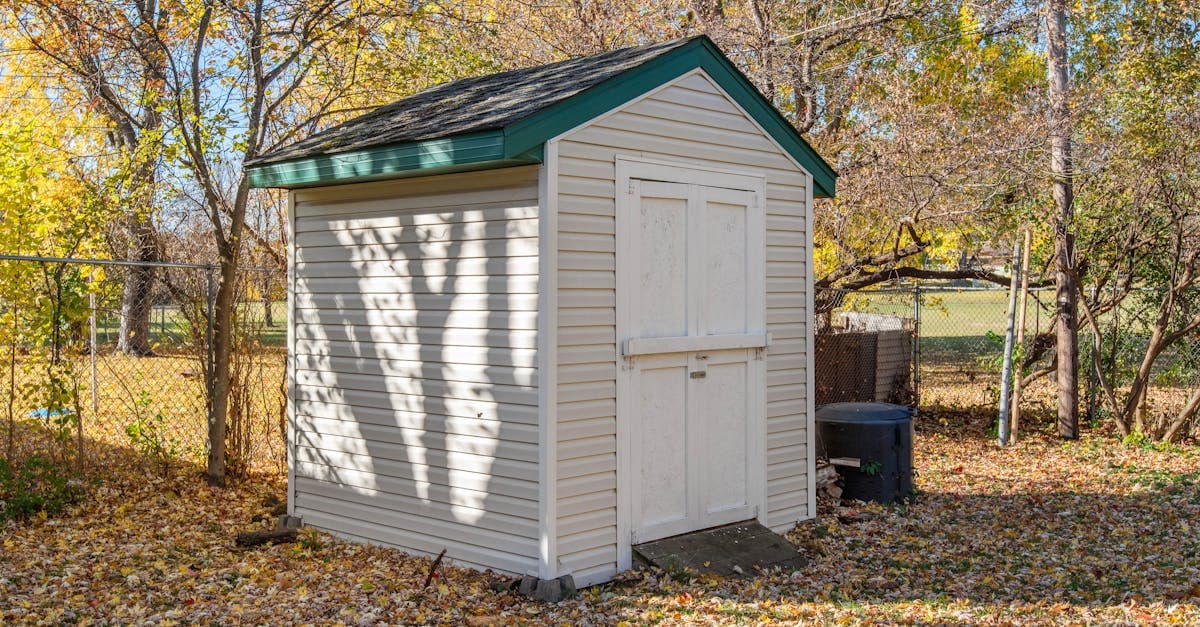
According to industry claims data, other structures claims account for a meaningful portion of homeowners insurance payouts, with wind and hail damage to fences, detached garages, and sheds being the most frequent triggers. The average fence replacement costs between $3,000 and $8,000 depending on materials and length, while a detached two-car garage costs between $25,000 and $55,000 to rebuild.
The standard Coverage B limit of 10 percent of your dwelling coverage provides a starting point, but the adequacy of this amount varies dramatically by property. A homeowner with a $300,000 dwelling limit receives $30,000 in other structures coverage — enough for a basic shed and fence, but potentially insufficient if they also have a detached garage, gazebo, or pool house.
Studies show that homeowners routinely underestimate the replacement cost of their detached structures. A custom-built detached workshop can cost $20,000 to $40,000 to replace. A wood privacy fence around a typical suburban lot can cost $8,000 to $15,000. An in-ground pool with surrounding structure can represent $30,000 or more in structural value. These amounts add up quickly.
The data-driven approach is straightforward: inventory every detached structure on your property, estimate the replacement cost of each, and compare the total to your Coverage B limit. If the total exceeds your limit, increase your coverage before a storm reveals the gap for you.
Fence Coverage and Small Structures: Common Coverage B Claims
Your rights matter here. Fences, mailboxes, retaining walls, and other small structures generate some of the most frequent Coverage B claims. While individual claim amounts are often modest, understanding how these claims work helps you navigate the process efficiently.
Fence replacement costs: A 200-foot wood privacy fence costs $4,000 to $10,000 to replace depending on materials, height, and your local market. Vinyl fencing of the same length costs $5,000 to $12,000. Wrought iron or aluminum fencing ranges from $6,000 to $15,000. Chain link is the most affordable at $2,000 to $5,000.
Common fence damage scenarios: Fallen trees and branches are the leading cause of fence claims. High winds can push over entire fence sections, particularly wooden fences with deteriorated posts. Vehicle impact — a car leaving the road and hitting your fence — is also a covered peril.
The deductible problem with small claims: On a fence claim of $3,000 with a $2,500 deductible, Coverage B pays only $500. For small structure claims, the deductible can consume a large portion of the payout, making it worth considering whether filing a claim makes financial sense.
Retaining walls: Permanent retaining walls on your property may qualify for Coverage B when damaged by covered perils. Collapse from erosion or earth pressure may be excluded as earth movement, but damage from fallen trees or vehicle impact is typically covered.
Mailboxes and light posts: Permanent mailbox structures, decorative lamp posts, and yard fixtures are covered under Coverage B when damaged by covered perils. Vehicle impact is the most common cause of mailbox and light post claims.
Matching and replacement challenges: When a storm destroys one section of fence, matching the replacement panels to existing sections can be difficult. Your Coverage B claim should cover the cost of replacement materials that reasonably match the original, though matching is not always guaranteed.
Inventorying Your Detached Structures and Reviewing Your Coverage B Limit
This is where consumers need to pay attention. The single most important step you can take to ensure adequate other structures coverage is creating a complete inventory of every detached structure on your property and comparing their combined replacement cost to your Coverage B limit.
Step one — walk your property: Physically walk the perimeter and interior of your property, identifying every detached structure. Include obvious structures like garages and sheds, but also note fences, retaining walls, mailbox structures, lamp posts, gazebos, pergolas, garden structures, and any other permanent features not attached to the main home.
Step two — estimate replacement costs: For each structure, estimate the replacement cost. Use current local construction costs, not the original cost of the structure. A shed you built for $3,000 ten years ago might cost $5,000 to replace today. A fence installed for $6,000 might cost $10,000 at current material and labor prices.
Step three — calculate the total: Add up the replacement costs of all detached structures. This total represents your Coverage B exposure — the amount you need in other structures coverage to fully protect every detached building and structure on your property.
Step four — compare to your limit: Check your homeowners declarations page for your Coverage B limit. If your total replacement cost exceeds this limit, you need to increase your coverage. Contact your agent with your inventory and request a limit adjustment.
Step five — photograph everything: Take photographs of every detached structure from multiple angles. Document the condition, materials, and any special features. Store these photos digitally in a location accessible even if your property is damaged. This documentation speeds up the claims process after a loss.
Step six — review annually: Repeat this inventory annually and after adding any new detached structure. New fencing, a new shed, or any other addition changes your total exposure and may require a Coverage B limit increase.
How the Coverage B Limit Works and When to Increase It
This is where consumers need to pay attention. Your other structures coverage limit is typically calculated as a percentage of your dwelling coverage — most commonly 10 percent. Understanding how this limit works and when it needs to be increased is critical to ensuring your detached structures are fully protected.
The 10 percent default: On a homeowners policy with $400,000 in dwelling coverage, the default Coverage B limit is $40,000. This $40,000 must cover the repair or replacement of every detached structure on your property combined. It is a shared pool, not a per-structure limit.
When the default is adequate: For properties with minimal detached structures — a small storage shed and a basic fence — the 10 percent default may be sufficient. If the total replacement cost of all detached structures is well below the default limit, no adjustment is needed.
When the default falls short: Properties with detached garages ($25,000 to $55,000 to rebuild), extensive fencing ($5,000 to $15,000), workshops ($15,000 to $40,000), pool houses ($20,000 to $60,000), or multiple outbuildings can easily exceed the default limit. Any property where the combined replacement cost of detached structures exceeds 10 percent of the dwelling limit needs a Coverage B increase.
How to increase your limit: Contact your insurance agent to request a Coverage B limit increase. Most insurers allow you to set Coverage B at 15, 20, or even 25 percent of your dwelling limit, or at a specific dollar amount. The additional premium for increasing Coverage B is typically modest — often $50 to $150 per year for a meaningful limit increase.
Reviewing after property changes: Any time you add a detached structure — building a shed, installing a fence, constructing a gazebo — contact your agent to review your Coverage B limit. The new structure increases the total replacement cost of your detached buildings.
The inventory approach: Create a list of every detached structure on your property, estimate the replacement cost of each, and add them up. Compare the total to your Coverage B limit. This simple exercise reveals whether your coverage is adequate or whether a gap exists.
How Your Deductible Works With Other Structures Claims
Your rights matter here. Your homeowners deductible applies to Coverage B claims the same way it applies to dwelling coverage claims. Understanding the deductible's impact on other structures claims helps you make informed decisions about filing and about your deductible level.
One deductible per occurrence: If a single storm damages your detached garage, shed, and fence, you pay one deductible for the entire claim — not a separate deductible for each structure. All damage from the same covered event is treated as one occurrence.
Deductible impact on small claims: Many other structures claims involve relatively modest amounts — a $3,000 fence repair, a $2,000 shed roof fix. With a $2,500 deductible, a $3,000 claim yields only $500 from insurance. Consider whether filing a small claim is worthwhile given the deductible and potential impact on your claims history.
Percentage deductibles and Coverage B: In areas with hurricane or wind deductibles based on a percentage of your dwelling coverage, the same deductible applies to Coverage B claims triggered by the same named storm. A 2 percent deductible on a $400,000 dwelling policy is $8,000 — which could exceed the total damage to your detached structures.
Separate event, separate deductible: If a windstorm damages your fence in March and a tree falls on your shed in June, these are separate occurrences with separate deductibles. Each event requires its own deductible payment.
Strategic deductible considerations: Homeowners with multiple detached structures may want to consider their deductible level in the context of likely Coverage B claims. A lower deductible provides more meaningful payouts on the moderate-sized claims that are typical for other structures, while a higher deductible reduces premiums but may make small to mid-size claims uneconomical to file.
Combined dwelling and other structures claims: When the same event damages both your main home and detached structures, both Coverage A and Coverage B are triggered by the same occurrence. You pay only one deductible for the combined claim, not separate deductibles for each coverage section.
How the Coverage B Limit Works and When to Increase It
This is where consumers need to pay attention. Your other structures coverage limit is typically calculated as a percentage of your dwelling coverage — most commonly 10 percent. Understanding how this limit works and when it needs to be increased is critical to ensuring your detached structures are fully protected.
The 10 percent default: On a homeowners policy with $400,000 in dwelling coverage, the default Coverage B limit is $40,000. This $40,000 must cover the repair or replacement of every detached structure on your property combined. It is a shared pool, not a per-structure limit.
When the default is adequate: For properties with minimal detached structures — a small storage shed and a basic fence — the 10 percent default may be sufficient. If the total replacement cost of all detached structures is well below the default limit, no adjustment is needed.
When the default falls short: Properties with detached garages ($25,000 to $55,000 to rebuild), extensive fencing ($5,000 to $15,000), workshops ($15,000 to $40,000), pool houses ($20,000 to $60,000), or multiple outbuildings can easily exceed the default limit. Any property where the combined replacement cost of detached structures exceeds 10 percent of the dwelling limit needs a Coverage B increase.
How to increase your limit: Contact your insurance agent to request a Coverage B limit increase. Most insurers allow you to set Coverage B at 15, 20, or even 25 percent of your dwelling limit, or at a specific dollar amount. The additional premium for increasing Coverage B is typically modest — often $50 to $150 per year for a meaningful limit increase.
Reviewing after property changes: Any time you add a detached structure — building a shed, installing a fence, constructing a gazebo — contact your agent to review your Coverage B limit. The new structure increases the total replacement cost of your detached buildings.
The inventory approach: Create a list of every detached structure on your property, estimate the replacement cost of each, and add them up. Compare the total to your Coverage B limit. This simple exercise reveals whether your coverage is adequate or whether a gap exists.
How Your Deductible Works With Other Structures Claims
Your rights matter here. Your homeowners deductible applies to Coverage B claims the same way it applies to dwelling coverage claims. Understanding the deductible's impact on other structures claims helps you make informed decisions about filing and about your deductible level.
One deductible per occurrence: If a single storm damages your detached garage, shed, and fence, you pay one deductible for the entire claim — not a separate deductible for each structure. All damage from the same covered event is treated as one occurrence.
Deductible impact on small claims: Many other structures claims involve relatively modest amounts — a $3,000 fence repair, a $2,000 shed roof fix. With a $2,500 deductible, a $3,000 claim yields only $500 from insurance. Consider whether filing a small claim is worthwhile given the deductible and potential impact on your claims history.
Percentage deductibles and Coverage B: In areas with hurricane or wind deductibles based on a percentage of your dwelling coverage, the same deductible applies to Coverage B claims triggered by the same named storm. A 2 percent deductible on a $400,000 dwelling policy is $8,000 — which could exceed the total damage to your detached structures.
Separate event, separate deductible: If a windstorm damages your fence in March and a tree falls on your shed in June, these are separate occurrences with separate deductibles. Each event requires its own deductible payment.
Strategic deductible considerations: Homeowners with multiple detached structures may want to consider their deductible level in the context of likely Coverage B claims. A lower deductible provides more meaningful payouts on the moderate-sized claims that are typical for other structures, while a higher deductible reduces premiums but may make small to mid-size claims uneconomical to file.
Combined dwelling and other structures claims: When the same event damages both your main home and detached structures, both Coverage A and Coverage B are triggered by the same occurrence. You pay only one deductible for the combined claim, not separate deductibles for each coverage section.
Making Other Structures Coverage Work for Your Property
In my experience, the homeowners who recover most smoothly from detached structure damage are those who took two key steps before the loss: they inventoried their structures and they verified their Coverage B limit.
The worst surprise in an other structures claim is discovering that the repair cost exceeds the Coverage B limit after the damage has already occurred. At that point, the gap is real, and the homeowner must fund the difference from savings or accept incomplete repairs.
Take fifteen minutes this week to walk your property and list every detached structure. Estimate the replacement cost of each — not what you paid to build it, but what it would cost to rebuild at today's prices. Compare the total to the Coverage B limit on your declarations page.
If the numbers do not match, call your agent. Increasing your Coverage B limit is one of the simplest and most affordable changes you can make to your homeowners policy.
Your main home deserves full dwelling coverage. Your detached structures deserve full other structures coverage. Both require your attention to ensure the limits match reality.
Continue reading

Auto Insurance Quote Comparison: What Most Drivers Get Wrong
Comparing auto insurance quotes requires more than matching liability limits. Collision, comprehensive, uninsured motorist, and medical payment coverages all affect your protection and must be compared individually.

Policy Checkup for Homeowners: Dwelling Coverage and Beyond
A homeowners policy checkup should cover dwelling limits, personal property coverage, liability protection, additional living expenses, and endorsements for valuables and natural disasters.

When Assignment of Benefits Actually Helps Policyholders
In legitimate situations, an AOB lets a qualified contractor handle the insurer negotiation while you focus on recovery. Knowing when AOB works in your favor helps you make the right call.