Temporary Repairs After Storm Damage: What Insurance Expects

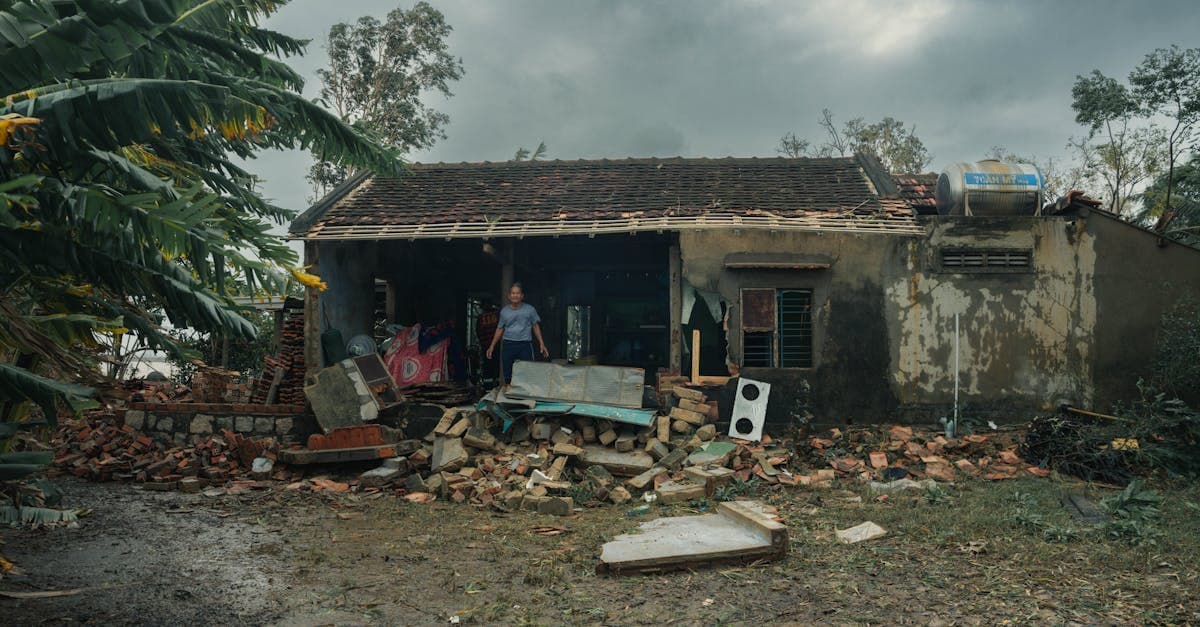
The Insurance Information Institute reports that wind and hail claims account for the largest share of homeowners insurance losses in the United States, representing over one-third of all claims by dollar volume. Between 2017 and 2022, severe convective storms — thunderstorms, hail, and tornadoes — caused an average of $30 billion in total insured losses annually.
The National Oceanic and Atmospheric Administration tracks an increasing frequency of billion-dollar weather events, with 2023 setting new records. For homeowners, this translates directly into claims frequency, premium increases, and in some regions, reduced coverage availability.
Hail alone accounts for roughly $10 billion in annual residential damage. Roof claims from hail and wind are the most frequently filed homeowners claims in states across the central and southern United States. The average roof damage claim exceeds $11,000, and full roof replacements can cost $15,000 to $30,000 or more depending on materials and home size.
These numbers demonstrate why storm damage coverage is the most financially significant portion of most homeowners policies. Yet surveys consistently show that a majority of homeowners do not fully understand what their policy covers after a storm, leading to both coverage gaps and missed claim opportunities. This guide provides the clarity those statistics demand.
Storm Damage to Your Roof: Claims and Coverage
Your rights matter here. Your roof is your home's primary defense against storms and the most commonly damaged component in storm events. Roof damage claims represent the single largest category of homeowners insurance storm claims by both frequency and dollar volume.
Types of covered roof damage: Wind-lifted or missing shingles, hail impacts that crack or dislodge roofing material, punctures from fallen branches or debris, and structural damage from extreme wind loads are all covered. Damage to flashing, vents, and roof-mounted equipment from storm forces is included.
Replacement cost vs actual cash value: How your policy values roof damage significantly affects your payout. Replacement cost coverage pays to repair or replace the roof with similar materials at current prices. Actual cash value coverage deducts depreciation based on the roof's age. On a fifteen-year-old roof with a thirty-year expected life, depreciation can reduce your payout by fifty percent. Some policies switch from replacement cost to actual cash value once the roof reaches a certain age.
The matching issue: When storms damage part of your roof, matching the new materials to the existing undamaged sections becomes contentious. If the damaged shingles are discontinued or significantly weathered, a perfect match may be impossible. Some states require insurers to pay for full replacement to achieve a uniform appearance. Others allow repair of only the damaged sections. Your policy language and state regulations determine your outcome.
Roof age and claims: Older roofs present challenges for storm damage claims. Adjusters must distinguish between storm damage and pre-existing wear. If your roof was already near the end of its useful life, the insurer may argue that the storm simply accelerated an inevitable replacement. Documenting your roof's condition through regular maintenance records strengthens your position.
Inspection after every significant storm: Not all roof damage is visible from the ground. Have a qualified inspector examine your roof after any storm with significant wind or hail. Documenting damage promptly protects your claim rights and prevents minor damage from worsening into major problems.
Additional Living Expenses After Storm Damage
This is where consumers need to pay attention. When storm damage makes your home uninhabitable, your homeowners policy's loss of use coverage — also called Coverage D or additional living expenses — pays the extra costs of living elsewhere while repairs are completed. Understanding this coverage helps you manage the financial impact of displacement.
What ALE covers: Additional living expenses include the difference between your normal living costs and the increased costs of temporary housing. Hotel or rental housing costs, restaurant meals beyond your normal food budget, laundry services, additional transportation costs, and storage for your belongings are all covered.
The difference standard: ALE pays the difference between what you normally spend and what you must spend while displaced. If your monthly mortgage payment is $2,000 and a temporary rental costs $2,500, ALE pays the $500 difference in housing plus any other increased costs. If you stay with family rent-free, you may still claim other increased expenses like meals and transportation.
Coverage limits: ALE is typically limited to a percentage of your dwelling coverage — commonly twenty percent. On a $300,000 dwelling, that means up to $60,000 in additional living expenses. There may also be time limits on how long ALE coverage lasts, usually twelve to twenty-four months. Major storm damage repairs can take months, so understanding your time and dollar limits is important.
Documentation requirements: Keep detailed receipts for all additional expenses while displaced. Track hotel bills, restaurant costs, gas receipts, and any other expenses that exceed your normal spending. The insurer will compare your claimed expenses against your typical costs to determine the covered difference.
Returning home: ALE coverage ends when your home is repaired and habitable, when you reach your coverage limit, or when the time limit expires — whichever comes first. If repairs take longer than expected, communicate with your insurer about your ALE status before approaching any limits.
Hail Damage Claims Under Homeowners Insurance
Your rights matter here. Hail is one of the most destructive and frequently claimed storm perils for homeowners. A single hailstorm can damage every exposed surface of your home — roof, siding, gutters, windows, and outdoor equipment — creating complex claims with multiple damage categories.
Roof damage from hail: Hail damage to roofs ranges from granule loss on asphalt shingles to cracked tiles and dented metal panels. The damage may not be visible from the ground, which is why professional inspection after any hailstorm is important. Adjusters use specific criteria to determine whether hail damage warrants repair or full replacement.
The cosmetic damage debate: An increasing number of insurers have introduced cosmetic damage exclusions for hail. Under these provisions, hail damage that affects appearance but not function — such as dented gutters or dimpled siding that still performs properly — is not covered. Only damage that impairs the component's function qualifies for a claim. This exclusion has generated significant controversy among consumer advocates.
Matching and hail claims: When hail damages part of your roof, the question of whether the insurer must pay to match undamaged sections is one of the most disputed issues in storm claims. Some states require matching so the repair is uniform. Others allow insurers to repair only the damaged sections, even if the result is visually inconsistent.
Hail claim timing: Report hail damage promptly. Many policies require notice within a specific timeframe, and delay can complicate your claim. Hail damage can worsen over time as compromised shingles allow water infiltration, so prompt inspection and reporting protect both your home and your claim.
Multiple hail events: If your home sustains hail damage from separate storms, each event is a separate claim with a separate deductible. Documenting the date and extent of each event's damage prevents confusion when multiple claims overlap.
Temporary Repairs After Storm Damage: Your Duty to Mitigate
This is where consumers need to pay attention. Your homeowners policy includes a duty to mitigate — a requirement that you take reasonable steps to prevent further damage to your property after a storm. Understanding this obligation protects both your home and your claim.
What the duty to mitigate requires: After storm damage occurs, you must take reasonable temporary measures to prevent additional damage. If your roof is breached, cover the opening with a tarp. If windows are broken, board them up. If water is entering, take steps to stop or redirect it. These are not optional courtesies — they are policy conditions.
Reimbursement for temporary repairs: The reasonable cost of temporary repairs to prevent further damage is reimbursable under your homeowners policy. Keep all receipts for materials and services. Tarps, plywood, emergency board-up services, and temporary water extraction are all covered as part of your claim. These costs are typically covered in addition to your claim payout, not subtracted from it.
What counts as reasonable: You are not expected to make permanent repairs immediately, and you should not make permanent repairs before the adjuster inspects the damage. Reasonable means temporary protective measures that any prudent homeowner would take. Tarping a damaged roof, boarding broken windows, and removing standing water are reasonable. Hiring a full construction crew before the adjuster arrives is not.
Documentation of temporary repairs: Photograph the damage before making any temporary repairs. Then photograph the repairs themselves. This documentation proves both the extent of original damage and the steps you took to mitigate further loss. Without before-and-after photos, the adjuster may not be able to distinguish between storm damage and damage that occurred after the storm due to the unprotected opening.
Consequences of failing to mitigate: If you do nothing to prevent further damage and the unprotected breach allows additional water damage, mold growth, or structural deterioration, the insurer may deny coverage for the additional damage. Your policy covers the storm damage but does not cover damage you could have reasonably prevented.
Lightning Strike Damage and Home Insurance
This is where consumers need to pay attention. Lightning strikes cause an estimated $1 billion in residential damage annually in the United States. Your homeowners insurance covers lightning damage comprehensively, including fire, electrical system damage, and destruction of electronics and appliances.
Direct strike damage: A lightning bolt striking your home can start a fire in the attic or walls, crack masonry, damage roofing materials, and destroy the electrical panel. The concussive force can also cause structural cracking. All of this damage is covered under your dwelling coverage as damage from a named peril.
Power surge damage: Lightning strikes — even those hitting nearby power lines rather than your home directly — can send power surges through your electrical system that destroy computers, televisions, appliances, and HVAC controls. This damage is covered under your personal property coverage for contents and dwelling coverage for built-in systems.
Fire from lightning: If a lightning strike starts a fire in your home, the fire damage is covered under both the lightning and fire provisions of your policy. Fire damage claims from lightning often result in significant payouts because fire can spread through walls and attic spaces before it is detected.
Surge protector impact: While whole-house surge protectors cannot prevent all lightning damage, they can reduce the extent of damage to electronics. Some insurers offer premium discounts for whole-house surge protection. Regardless of surge protectors, your coverage applies fully when lightning causes damage.
Documentation for lightning claims: For lightning damage claims, note the date and approximate time of the strike. If neighbors or local fire departments responded to lightning-related incidents in your area, their reports can corroborate your claim. Photograph all visible damage including burn marks, cracked materials, and damaged electronics.
Filing a Storm Damage Insurance Claim
Your rights matter here. The storm damage claims process follows specific steps, and moving through them efficiently helps you get repairs completed and your life back to normal as quickly as possible.
Step one — ensure safety: Before thinking about insurance, make sure your family is safe. If structural damage is severe, do not enter the building until it is cleared by professionals. Turn off utilities if you suspect gas leaks or electrical hazards.
Step two — document everything: Once safe, photograph and video-record all damage from multiple angles. Include wide shots showing the overall scope and close-ups of specific damage. Photograph the exterior and interior. Capture damaged personal property. Note the date and time. If possible, photograph conditions during or immediately after the storm to establish causation.
Step three — make temporary repairs: Cover roof breaches, board broken windows, and remove standing water to prevent further damage. Photograph these temporary repairs and keep all receipts. Do not make permanent repairs before the adjuster inspects.
Step four — contact your insurer: Report the claim as soon as possible. Most insurers offer 24-hour claim reporting. Provide basic facts about the storm event and the damage. You will receive a claim number and timeline for adjuster contact.
Step five — work with the adjuster: The assigned adjuster will inspect your property, assess the damage, and prepare an estimate. Be present during the inspection to point out all damage areas. Provide your documentation, photographs, and temporary repair receipts. If damage is extensive, consider hiring a public adjuster to represent your interests.
Step six — review and negotiate: Review the adjuster's estimate carefully. If you believe it is too low, provide contractor estimates that support a higher figure. You have the right to dispute the settlement amount and request re-inspection of missed damage areas. Most storm damage claims are negotiable.
Making Storm Coverage Personal
In my experience, the biggest mistake homeowners make with storm coverage is assuming they understand it without actually reading their policy. Assumptions about what is covered lead to the most painful surprises after a storm.
I have seen homeowners devastated to learn that their hurricane deductible is $12,000 instead of the $1,000 they expected. I have seen families without flood insurance lose everything below the flood line in a hurricane. And I have seen homeowners lose thousands in their settlement simply because they did not photograph their home before the damage occurred.
Every one of these situations was preventable with basic preparation. Read your policy's storm provisions. Know your deductibles. Buy flood insurance if you are anywhere near a flood risk. Photograph your home inside and out while it is in good condition.
These simple steps take less than a weekend to complete. The protection they provide lasts for every storm season ahead. Your future self, standing in front of a storm-damaged home, will thank you for the preparation you do today.
Continue reading

Auto Insurance Quote Comparison: What Most Drivers Get Wrong
Comparing auto insurance quotes requires more than matching liability limits. Collision, comprehensive, uninsured motorist, and medical payment coverages all affect your protection and must be compared individually.

Policy Checkup for Homeowners: Dwelling Coverage and Beyond
A homeowners policy checkup should cover dwelling limits, personal property coverage, liability protection, additional living expenses, and endorsements for valuables and natural disasters.

When Assignment of Benefits Actually Helps Policyholders
In legitimate situations, an AOB lets a qualified contractor handle the insurer negotiation while you focus on recovery. Knowing when AOB works in your favor helps you make the right call.