Precious Metals and Valuables: Flood Insurance Exclusions for High-Value Items

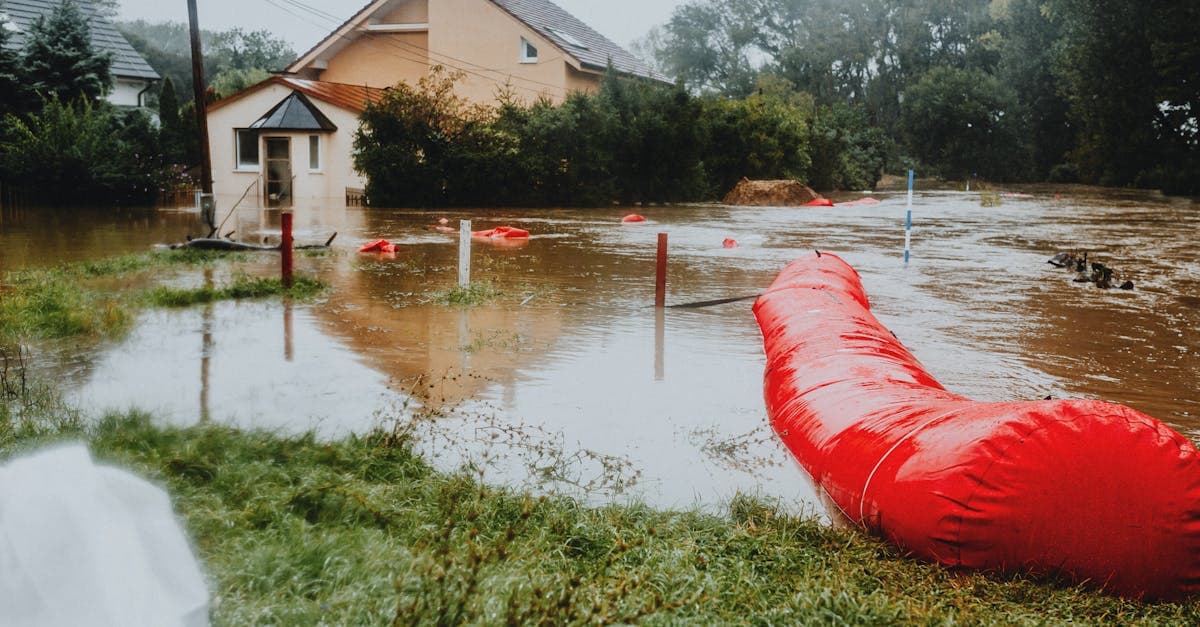
The numbers behind flood insurance exclusions reveal a significant gap between what policyholders expect and what their policies actually pay. Understanding these statistics helps you prepare for the financial reality of a flood insurance claim.
NFIP flood insurance building coverage caps at $250,000 and contents coverage caps at $100,000. But coverage limits are only part of the equation. Exclusions for basements, vehicles, living expenses, outdoor property, and specific personal property categories reduce actual claim payments well below these maximum limits for many policyholders.
FEMA estimates that just one inch of floodwater causes approximately $25,000 in damage. But that damage estimate includes items and areas that flood insurance may not cover — basement improvements, vehicles, landscaping, and additional living expenses. The insured portion of that $25,000 can be significantly less than the total damage amount.
Basement flooding is particularly affected by exclusions. NFIP policies limit basement coverage to structural elements, essential equipment, and cleanup costs. Finished drywall, flooring, personal belongings, and built-in features in basements are excluded. For homeowners with finished basements, this exclusion alone can represent $10,000 to $30,000 or more in uncovered losses.
These statistics underscore a simple truth: flood insurance is valuable but not comprehensive. Policyholders who understand the gap between total flood damage and covered flood damage can make better financial plans for the uncovered portion.
Mold and Mildew: Covered Damage vs Preventable Damage
Your rights matter here. Mold damage after flooding is one of the most complex coverage areas in flood insurance. The key distinction is between mold that results directly from the flood event and mold that results from the homeowner's failure to take reasonable preventive action.
What is covered: Mold damage that occurs as a direct and immediate result of the flooding event is generally covered under flood insurance. This includes mold that develops within building materials that were saturated by floodwater before the homeowner could reasonably begin cleanup.
What may be excluded: Mold damage that develops because the homeowner delayed cleanup, failed to ventilate the property, did not remove standing water promptly, or otherwise did not take reasonable steps to prevent mold growth may be excluded from coverage. The insurer may argue that this mold was preventable and therefore not a direct result of the flood.
The timing factor: Mold can begin growing within 24 to 48 hours after flooding. The longer standing water remains and the longer wet materials go untreated, the greater the mold growth and the more difficult it becomes to argue that the damage was unavoidable.
Documentation matters: Document your cleanup efforts with dated photographs, receipts for fans, dehumidifiers, and cleaning supplies, and records of professional remediation services. This documentation demonstrates that you took reasonable preventive steps, supporting your claim for mold damage that developed despite your efforts.
The financial scope: Professional mold remediation after flooding can cost $2,000 to $30,000 depending on the extent of growth and the affected materials. When flood insurance denies mold claims as preventable, this entire cost falls on the homeowner.
Practical response: Begin flood cleanup as soon as safely possible. Remove standing water immediately. Run fans and dehumidifiers continuously. Remove wet materials that cannot be dried quickly. And document every step of your mold prevention efforts to support your insurance claim.
Sewer Backup During Floods: A Coverage Gap Between Policies
This is where consumers need to pay attention. When flooding and sewer backup occur simultaneously — which happens frequently during heavy rainfall events — the damage may fall into a gap between your flood insurance and your homeowners insurance where neither policy provides full coverage.
Flood insurance covers flood damage: Your flood policy covers damage caused by rising surface water, overflow of inland waters, and unusual accumulation of surface water runoff. Water that enters your home from outside as part of a general flooding condition is covered.
Homeowners insurance covers sewer backup: If you have a sewer backup endorsement on your homeowners policy, it covers water that backs up through sewer drains, floor drains, and sump pump systems. This is internal water entering through your plumbing connections.
The simultaneous event problem: During major rain events, both flooding and sewer backup frequently occur at the same time. Surface water may enter through doors and windows while sewer water backs up through floor drains in the basement. The resulting damage may be caused by both sources simultaneously.
Claim attribution challenges: When both sources cause damage in the same event, determining which damage was caused by the flood and which was caused by the sewer backup can be difficult. Each insurer may attribute damage to the other source, potentially leaving the homeowner caught between two claims.
Coverage gaps: Some damage caused during a combined event may not be clearly attributable to either source, creating coverage disputes. Homeowners without both flood insurance and sewer backup coverage face the largest gaps — they may be unable to claim under either policy.
Practical response: Carry both flood insurance and sewer backup coverage on your homeowners policy for the most complete protection. Document the sources of water intrusion during any flood event with photographs and descriptions. And understand that having both policies minimizes the coverage gap during combined flood and sewer backup events.
Currency, Precious Metals, and Valuable Papers
Your rights matter here. Flood insurance specifically excludes several categories of high-value portable items that can represent significant financial losses when destroyed by floodwater.
Currency and cash: Paper currency and coins stored in your home are not covered by flood insurance. Whether kept in a desk drawer, a home safe, or a filing cabinet, cash destroyed by floodwater is a total loss with no insurance recovery. Some homeowners keep emergency cash at home without realizing this exclusion exists.
Precious metals: Gold, silver, platinum, and other precious metals in any form — bullion, coins, bars, or jewelry containing precious metals valued primarily for their metal content — are excluded from flood insurance coverage.
Stock certificates and securities: Physical stock certificates, bond certificates, and other negotiable securities are excluded. While most modern securities are held electronically, homeowners with physical certificates should store them in a safe deposit box or other off-site location.
Valuable papers and documents: Manuscripts, deeds, titles, personal papers, and important documents are excluded from flood insurance. The cost of replacing these documents — or the irreplaceable nature of items like family records and manuscripts — makes this exclusion particularly impactful.
Stamps, coins, and collectible currency: Coin collections, stamp collections, and collectible currency are excluded from standard flood insurance contents coverage. These collections require separate collectors insurance or valuable items policies for protection.
Practical response: Minimize the amount of currency, precious metals, and important documents stored in flood-vulnerable areas of your home. Use safe deposit boxes or fireproof and waterproof safes for irreplaceable items. Digitize important documents and store backups in cloud storage. And consider specialized insurance for valuable collections that flood insurance will not cover.
Building Code Upgrades and Increased Cost of Compliance
This is where consumers need to pay attention. When flood damage requires substantial rebuilding, local building codes may mandate upgrades that exceed your flood insurance coverage. The cost of bringing your home up to current codes creates an expense that your standard flood insurance may not fully cover.
The compliance requirement: After significant flood damage, many jurisdictions require that repairs meet current building codes rather than the codes in effect when the home was originally built. This can include flood elevation requirements, wind resistance standards, electrical code upgrades, and energy efficiency mandates.
NFIP Increased Cost of Compliance coverage: NFIP policies include a limited Increased Cost of Compliance benefit — up to $30,000 — that helps pay for bringing a substantially damaged building into compliance with local flood management ordinances. This applies only when the building is declared substantially damaged, meaning damage equals or exceeds 50 percent of the building's market value.
Limitations of ICC coverage: The $30,000 ICC limit may not cover the full cost of compliance, particularly for substantial elevation projects or major structural modifications. And ICC coverage is only triggered by substantial damage determinations — lesser damage that still requires code upgrades may not qualify.
The gap beyond ICC: Building code upgrades that exceed the $30,000 ICC benefit come out of pocket. For homes that need significant elevation, foundation modification, or structural reinforcement to meet current codes, these costs can add tens of thousands of dollars beyond the ICC payment.
Local ordinance variations: Building code requirements vary by jurisdiction. Some areas have adopted strict flood-resistant building standards that require expensive modifications. Understanding your local requirements before a flood helps you anticipate potential compliance costs.
Practical response: Learn your local building code requirements for flood-damaged buildings. Understand the substantial damage threshold and how it is determined. Consider whether a private flood policy offers broader code upgrade coverage than the NFIP ICC benefit. And include potential code compliance costs in your emergency financial planning.
Additional Living Expenses: The Missing Coverage
This is where consumers need to pay attention. One of the most consequential flood insurance exclusions is the absence of additional living expense coverage — also called loss of use coverage. When flooding makes your home uninhabitable, your flood insurance does not pay for the costs of living elsewhere during repairs.
What is not covered: Hotel rooms, temporary rental housing, restaurant meals, laundry services, increased commuting costs, pet boarding, and all other expenses associated with being displaced from your flooded home are excluded from NFIP flood insurance.
How this differs from homeowners insurance: Standard homeowners insurance policies include additional living expense coverage that pays for temporary housing and increased living costs when a covered peril makes your home uninhabitable. Homeowners are accustomed to this coverage, which makes the absence of ALE in flood insurance particularly surprising.
The financial impact: Flood repair timelines can range from weeks to months depending on damage severity. At $150 to $250 per night for a hotel or $2,000 to $4,000 per month for a temporary rental, displacement costs accumulate rapidly. A three-month repair period could cost $6,000 to $12,000 or more in temporary housing alone.
Adding meals, laundry, and other costs: Beyond housing, displaced families face increased costs for meals, laundry, storage, and daily logistics. These costs can add $1,000 to $3,000 per month beyond normal living expenses, further increasing the financial burden of displacement.
Practical response: Build an emergency fund that specifically accounts for displacement costs. Some private flood insurers offer policies that include additional living expense coverage — compare options when shopping for flood insurance. And maintain a list of temporary housing options in your area so you can act quickly if displacement becomes necessary.
Actual Cash Value vs Replacement Cost: The Depreciation Gap
Your rights matter here. How flood insurance values damaged property directly affects your claim payment. The distinction between actual cash value and replacement cost creates a gap that reduces your payout below the cost of replacing damaged items.
Actual cash value defined: Actual cash value is the replacement cost of an item minus depreciation. A ten-year-old furnace that cost $5,000 new and has a twenty-year lifespan might have an actual cash value of $2,500. Flood insurance would pay $2,500 even though replacing the furnace costs $5,000 or more at current prices.
How depreciation is calculated: Depreciation is based on the item's age, expected useful life, and condition before the flood. Older items receive less than newer items of the same type. This calculation applies to building components like roofing, siding, HVAC systems, and appliances as well as personal property.
The replacement cost option: NFIP building coverage can include replacement cost coverage if the building is insured to at least 80 percent of its replacement value. This pays the full cost to replace damaged components without depreciation deductions, subject to policy limits. However, contents coverage under NFIP is paid at actual cash value.
The practical impact: For homes with older building systems and personal property, the depreciation gap can be substantial. A flood that damages a twenty-year-old kitchen with appliances, cabinets, and flooring all nearing the end of their useful life produces an actual cash value payment that covers only a fraction of the cost to install new replacements.
Contents depreciation: Personal property is always paid at actual cash value under NFIP policies. Furniture, electronics, clothing, and other belongings are depreciated based on age and condition. A five-year-old television or a seven-year-old sofa receives significantly less than the current retail cost.
Practical response: Ensure your building coverage meets the 80 percent threshold for replacement cost eligibility. Maintain current home inventories with purchase dates and values. And understand that contents claims will reflect depreciation, building your expectations around actual cash value rather than retail replacement cost.
Learning From Others' Exclusion Surprises
The homeowners I have worked with after flood events consistently identify the same exclusions as the most painful surprises: basement limitations, vehicle exclusions, and the absence of additional living expense coverage. Every one of them says the same thing — I wish I had known before the flood.
The family whose finished basement was their primary living space, where the children played and the parents relaxed every evening, was devastated to learn that none of the finishing materials were covered. The $35,000 basement renovation was reduced to bare concrete walls and a covered furnace.
The couple whose two vehicles were flooded in their attached garage expected the flood insurance to cover everything in the building — including the cars. Learning that vehicles are excluded, and that they had only liability coverage on their older car, meant absorbing a $12,000 loss on top of everything else.
And the family displaced for ten weeks while their home was repaired — spending $8,400 on hotel rooms and $2,600 on meals — discovered that not a penny of those displacement costs was covered by their flood insurance.
These stories are not unusual. They are the norm for flood victims who did not understand their exclusions before the flood. Do not let your family join this list. Read your policy, understand your gaps, and plan accordingly.
Continue reading

Auto Insurance Quote Comparison: What Most Drivers Get Wrong
Comparing auto insurance quotes requires more than matching liability limits. Collision, comprehensive, uninsured motorist, and medical payment coverages all affect your protection and must be compared individually.

Policy Checkup for Homeowners: Dwelling Coverage and Beyond
A homeowners policy checkup should cover dwelling limits, personal property coverage, liability protection, additional living expenses, and endorsements for valuables and natural disasters.

When Assignment of Benefits Actually Helps Policyholders
In legitimate situations, an AOB lets a qualified contractor handle the insurer negotiation while you focus on recovery. Knowing when AOB works in your favor helps you make the right call.